
Spain has activated preventative measures amid online calls in Morocco for a new mass crossing into Ceuta on Wednesday.
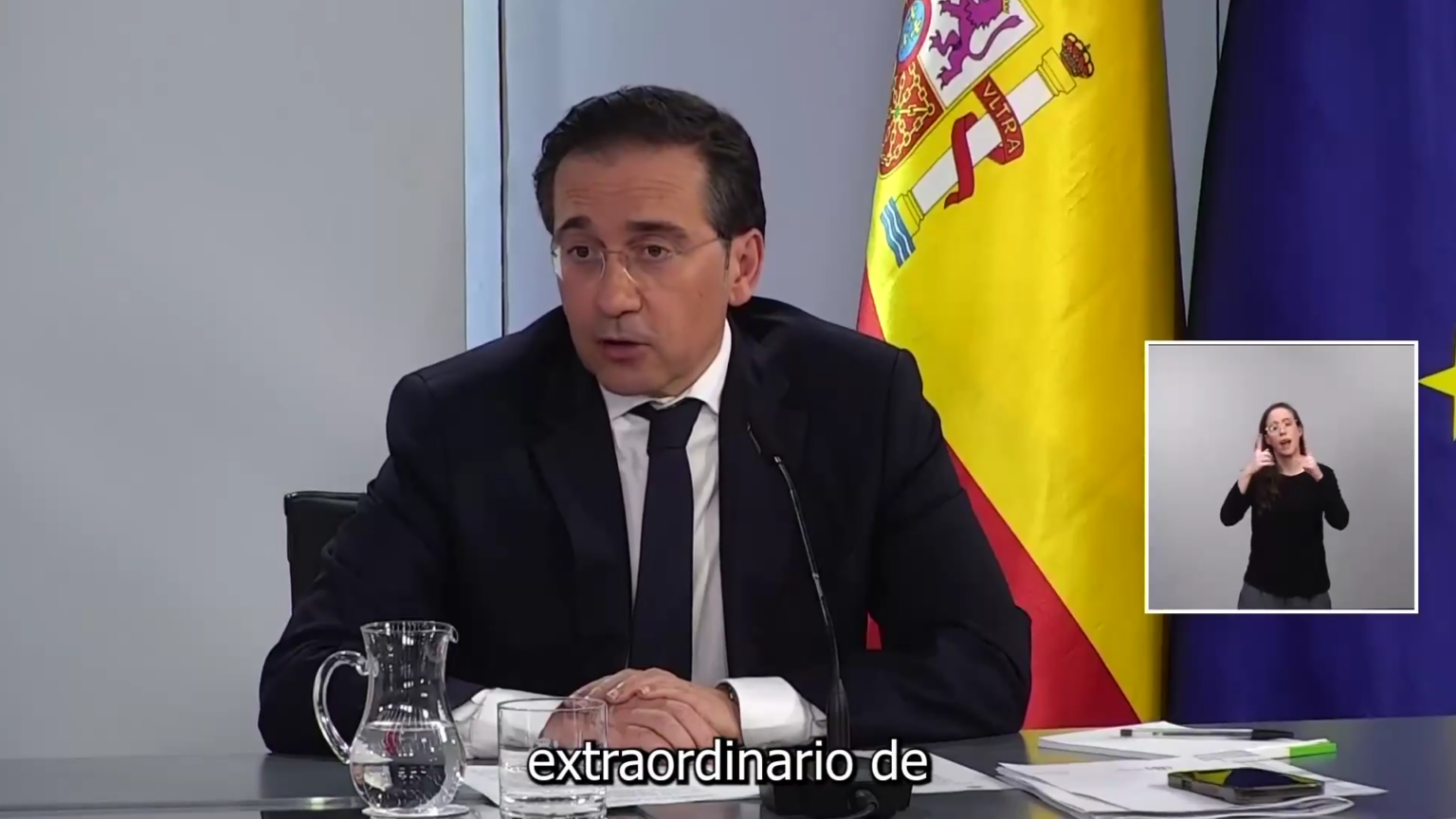
Foreign Minister Jose Manuel Albares confirmed on Monday that the government is working with Moroccan authorities to ensure a ‘deterrent’ security operation is ready should large numbers of people attempt to reach the Spanish enclave.
However, Albares stressed that Spanish authorities currently have no evidence that the online calls are gaining significant traction.
It comes less than two months after the extraordinary events of July 30 and 31, when more than 70,000 people crossed the border, triggering an ongoing humanitarian and political crisis.
Calls circulating in Morocco
Albares said messages encouraging people to attempt another crossing on September 23 are circulating in Morocco.
Speaking to Cataluña Radio, he said the Foreign Ministry had activated its channels ‘preventatively’ to counter the calls.
He said some of the messages form part of disinformation campaigns designed to manipulate potential migrants, while describing the government’s response as a battle against misinformation spread by people-smuggling networks.
Spanish diplomatic channels are circulating messages explaining that entering Ceuta or Melilla irregularly does not automatically give someone the right to travel onwards to mainland Spain or remain indefinitely in the autonomous cities.
Madrid is also working with Moroccan media to amplify the message.
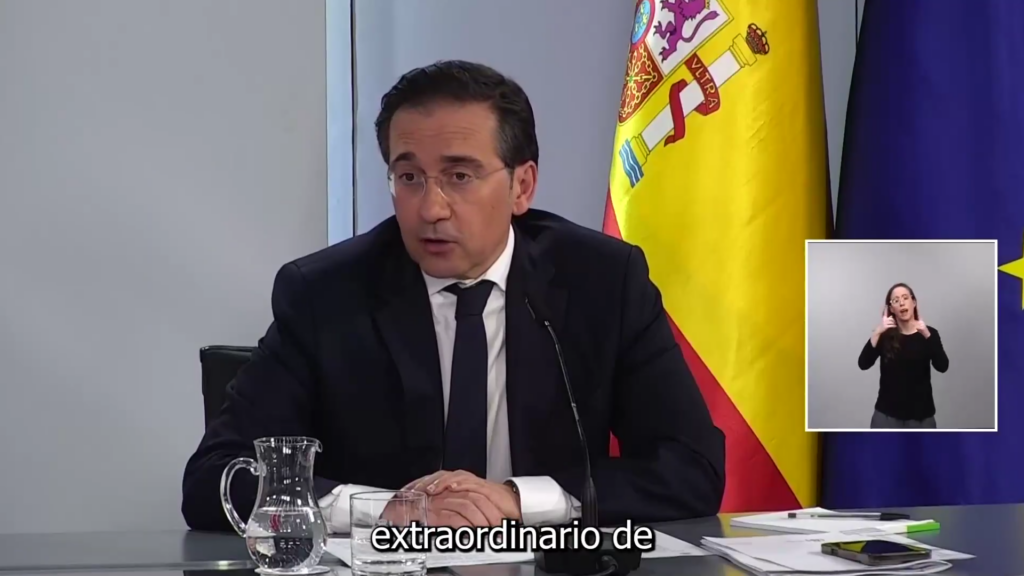
‘We have found receptiveness in the Moroccan press,’ Albares said, adding that Spain had asked outlets there to circulate information being provided by the Spanish embassy.
Albares said he remains in constant contact with Moroccan authorities ahead of Wednesday.
Spain wants a ‘deterrent operation’ in place which could be deployed ‘to prevent any avalanche’ should a large-scale attempt materialise, according to the minister.
He said the government does not currently believe the calls for September 23 have necessarily caught on among large numbers of people.
The Foreign Ministry has been running a wider anti-disinformation campaign since the summer crisis, including material in Arabic and messages distributed through Spanish embassies and consulates.
One of its central messages is that irregular entry through Ceuta or Melilla does not provide a route into mainland Europe.
Ceuta and Melilla have an additional Schengen identity check for people travelling onwards to mainland Spain by air or sea.
Albares said he speaks to his Moroccan counterpart ‘practically every day’ as Spain continues dealing with the aftermath of the July crisis.
The government is working to return people who entered irregularly and who, once their cases have been processed, are found not to have a right to international protection.
Thousands of migrants nevertheless remain in Ceuta.
The government said earlier this month that it had created around 4,500 temporary places, in addition to accommodation being provided for roughly 2,000 minors. As of September 13, the government said 5,321 people had voluntarily returned to Morocco.
The government has also deployed infrastructure from Spain’s START humanitarian response team to help process people and provide assistance in the autonomous city.