
The Costa del Sol is increasingly becoming a favourite bolthole for the world’s most wanted fugitives, police experts have warned.
It comes after a series of high-profile arrests over the past few months, including men on the ‘Most Wanted’ lists in countries including Canada, Germany, France and the UK.
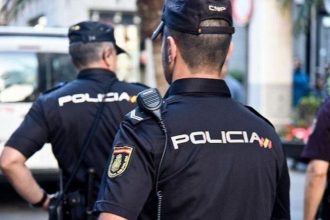
Speaking to Malaga Hoy, Policia Nacional officers specialising in tracking international criminals ranked Malaga province among Spain’s three biggest hotspots for fugitives, alongside Alicante and Catalonia.
Investigators from the UDYCO Fugitives Group said the Costa del Sol offers an unusual combination of factors attractive to people on the run.
Its climate is one attraction, but privacy and anonymity are particularly important.
Across areas such as Mijas, expensive villas can sit in secluded locations away from busy streets and inquisitive neighbours.

Meanwhile, Marbella and Puerto Banus is filled with wealthy tourists and residents who like to show off their riches.
‘Puerto Banus is full of Ferraris and Lamborghinis, but you don’t know which of them belongs to organised crime,’ officers said.
Police described the level of discretion available to fugitives as ‘phenomenal’, saying those hiding in the area can become extremely comfortable, allowing them to remain undetected for months or even years.
Five years on the run
For this reason, the Costa del Sol has been turned into a major hunting ground for specialist police.
One of the most recent captures involved a suspected drug trafficker considered one of Germany’s most wanted fugitives.
He had become extraordinarily adept at covering his tracks during five years on the run.
The fugitive changed his phone every two weeks and his identity approximately every three months, while attempting to destroy his digital footprint.
He was also studying cybersecurity and had learned techniques that made locating him particularly difficult.
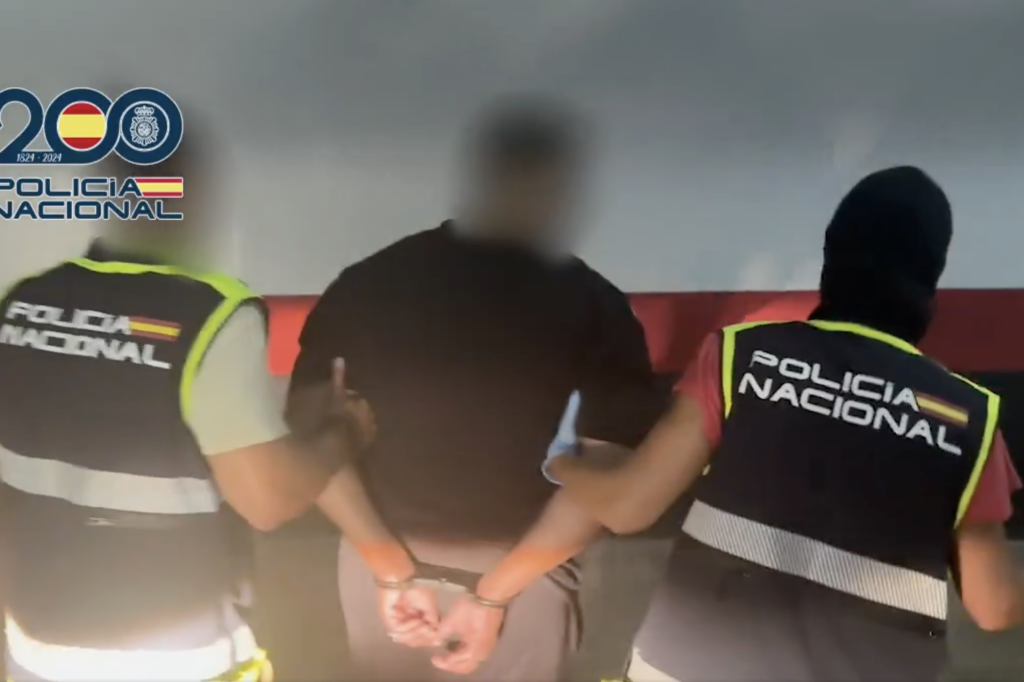
‘There was no way in,’ one investigator said following the arrest. ‘He was moving very carefully.’
In the end, it was a family meeting that helped bring his time on the run to an end.
His brother drove for around 30 hours from Germany to meet him in Malaga, providing investigators with the opportunity they needed. The Policia Nacional arrested him in August.
Canadian drug kingpin and alleged mafia killer
In July, police closed in on a man described as one of the leading figures in drug trafficking in Quebec and included on Canada’s most-wanted list.
Knowing he was being hunted, the fugitive barely left his home in Marbella and imposed extensive security precautions on those around him.
He had even begun removing distinctive tattoos in an apparent attempt to make himself harder to recognise.

Another operation targeted a fugitive allegedly linked to Montenegro’s Kavac clan.
According to Montenegrin authorities, the man had become the right-hand man of the group’s leader and was involved in concealing evidence and bodies.
He was wanted in connection with the murder of a rival who authorities allege was tortured for 24 hours before being killed.
Police have also tracked down a 52-year-old Argentine fraud suspect known as ‘El Sapo’ in Malaga’s Huelin district.
He was accused of obtaining holiday packages using other people’s, cloned or duplicated credit cards before selling them through a travel agency.
His criminal history stretched back to Argentina, where he had previously been convicted over criminal association and fraud offences.
A new identity for $200
For sophisticated fugitives, however, disappearing does not necessarily mean spending years physically hiding.
Police say organised criminal networks can provide a whole new identity for little money.
A fugitive can change their name and apparent nationality, obtain another phone and construct an entirely new daily routine.
The challenge for investigators is then connecting that supposedly new person with the identity and relationships left behind.
Officers say forged documents can be remarkably cheap and readily available in some criminal circles.
‘They get the documents easily. We’ve seen Colombians with fake Venezuelan documents that they buy for $200. It’s massive,’ investigators said.
Yet the recent string of arrests also demonstrates the limits of those precautions.
However convincing the false identity, however secluded the villa and however ordinary a Ferrari might appear in Puerto Banus, specialist investigators are increasingly looking for the connections fugitives struggle to erase.