

This is the moment two alleged human traffickers were arrested in Ceuta for charging vulnerable migrants €900 to sleep on garage floors.
According to the Policia Nacional, the group would later offer illegal journeys to mainland Spain for €6,000 per person.
Police said the group was involved in recruiting migrants, arranging accommodation, collecting payments and controlling its alleged victims.
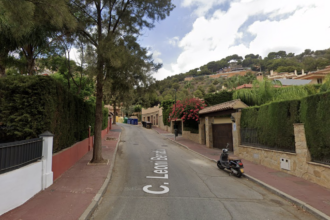
The investigation began after people were repeatedly spotted sleeping in the communal areas of a residential garage near the neighbourhood of El Principe.
Their presence raised the alarm among local residents, who reported seeing groups bedding down on floors and in spaces intended for parked vehicles.
At times, around 20 people are believed to have slept inside the premises.
Police said some were charged around €30 per night, meaning they could pay as much as €900 over the course of a month.
Basic items including mattresses and blankets were reportedly withheld unless the full demanded amount had been paid.
The gang even charged between €5 and €10 for a full mobile-phone charge, police claim.
Investigators believe the arrangement generated substantial profits for those running it.
The organisation is also accused of offering to transport migrants clandestinely from Ceuta to mainland Spain for sums of up to €6,000.
Police said members of the group were assigned different roles to keep the operation running.
Some searched for and recruited newly arrived migrants, while others collected money, transported people to the makeshift accommodation or monitored those staying there.
Several migrants told investigators that they had been instructed to remain hidden and avoid contact with police while waiting for an opportunity to reach the mainland.
Police also received accounts of death threats and coercion used to impose a ‘law of silence’ and stop victims from giving evidence against the group.
Some reportedly reacted with fear when police arrived.
Their testimony helped investigators reconstruct part of the network and identify the different roles performed by its suspected members.
Two people were ultimately arrested in Ceuta on suspicion of involvement in the operation.
Police described the alleged victims as particularly vulnerable because they had only recently reached the city and lacked safe accommodation, local support networks and a legal route to continue their journeys.