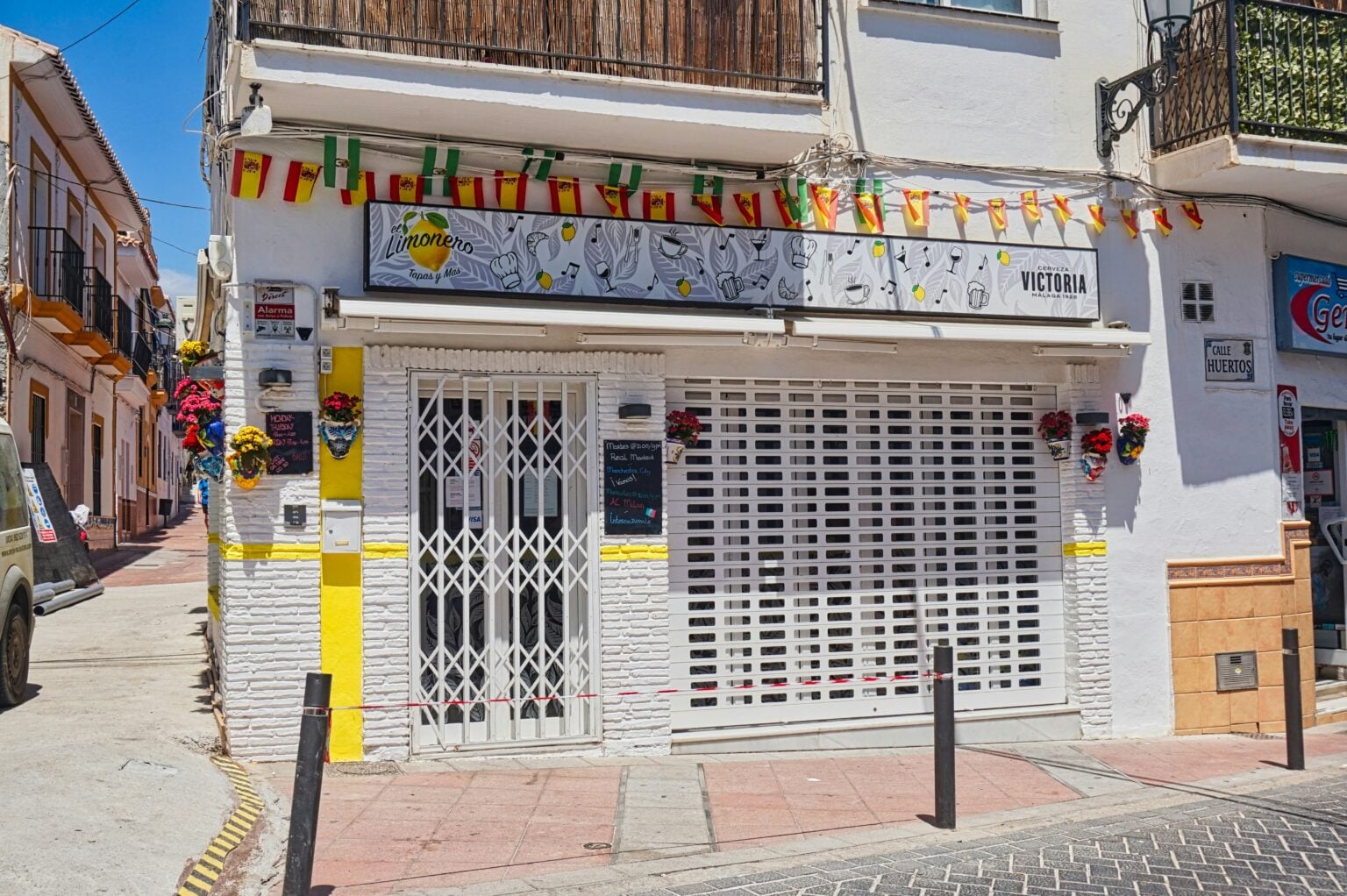

Anyone who has tried to get hold of a lawyer, gestor, builder or even a particular bank employee in Spain during August will have probably struggled.
For newcomers to Spain, it is difficult to comprehend just how dramatically parts of the country’s professional life slow down during the eighth month of the year – especially during its final two weeks.
It can create the impression that Spain simply shuts down for August.
The simplest explanation is that an unusually large proportion of Spaniards take their annual holidays at roughly the same time.
August has long been the country’s month for escaping the cities and heading to the coast, countryside or family hometown.
Schools are closed, making it the obvious time for families with children to travel together, while August also coincides with some of the most uncomfortable working temperatures of the year, particularly in inland Spain.
Historically, workplaces therefore became accustomed to employees disappearing simultaneously rather than spreading their main holidays throughout the year.
And once enough people do that, a domino effect begins.
Imagine an architecture firm trying to progress a development in August.
Its architect might be working, but the client’s lawyer is away. The lawyer returns just as somebody at the engineering company leaves. The relevant person at the supplier is unavailable, while the decision-maker at another company will not return until September.
Suddenly, keeping an entire office operating to achieve very little makes questionable commercial sense.
Many businesses consequently try to complete important deals and decisions before the end of July, operate with skeleton staffing or close altogether, and resume major projects in September.
For small businesses, the effect can be even more pronounced.
Spain has a huge culture of family-run enterprises where the owners remain directly involved in everyday management. If the people capable of making the decisions take three weeks off, there may be little reason for the business to remain fully operational.
But Spain doesn’t actually close
There is an obvious contradiction to the stereotype.
While someone in Madrid may have put an out-of-office message on until September, a waiter in Marbella could be experiencing the most punishing working month of the entire year.
Spain welcomed tens of millions of international tourists last year, while Spaniards themselves overwhelmingly take domestic holidays during the summer.
That means August is peak season for huge sections of the economy.
Hotels, restaurants, beach clubs, bars, tourist attractions and holiday accommodation can be operating at full throttle.
Supermarkets, major retailers, airports, railways, hospitals, emergency services and much of the logistics industry also continue functioning.
The August shutdown is therefore better understood as a professional and administrative slowdown rather than the closure of the Spanish economy.
On the costas, the contrast can be particularly surreal, as restaurants are packed, hotels are full and airports are heaving while the professional you desperately need to sign a document has disappeared for three weeks.
Why September feels like a second January
The consequence is that September has developed its own significance in Spanish working culture.
People return from the coast, children prepare to go back to school and postponed meetings suddenly reappear in diaries.
Projects that effectively went into suspended animation at the end of July restart.
In many companies, September can consequently feel more like the beginning of the working year than January, with new projects launched and businesses beginning preparations for the final quarter.