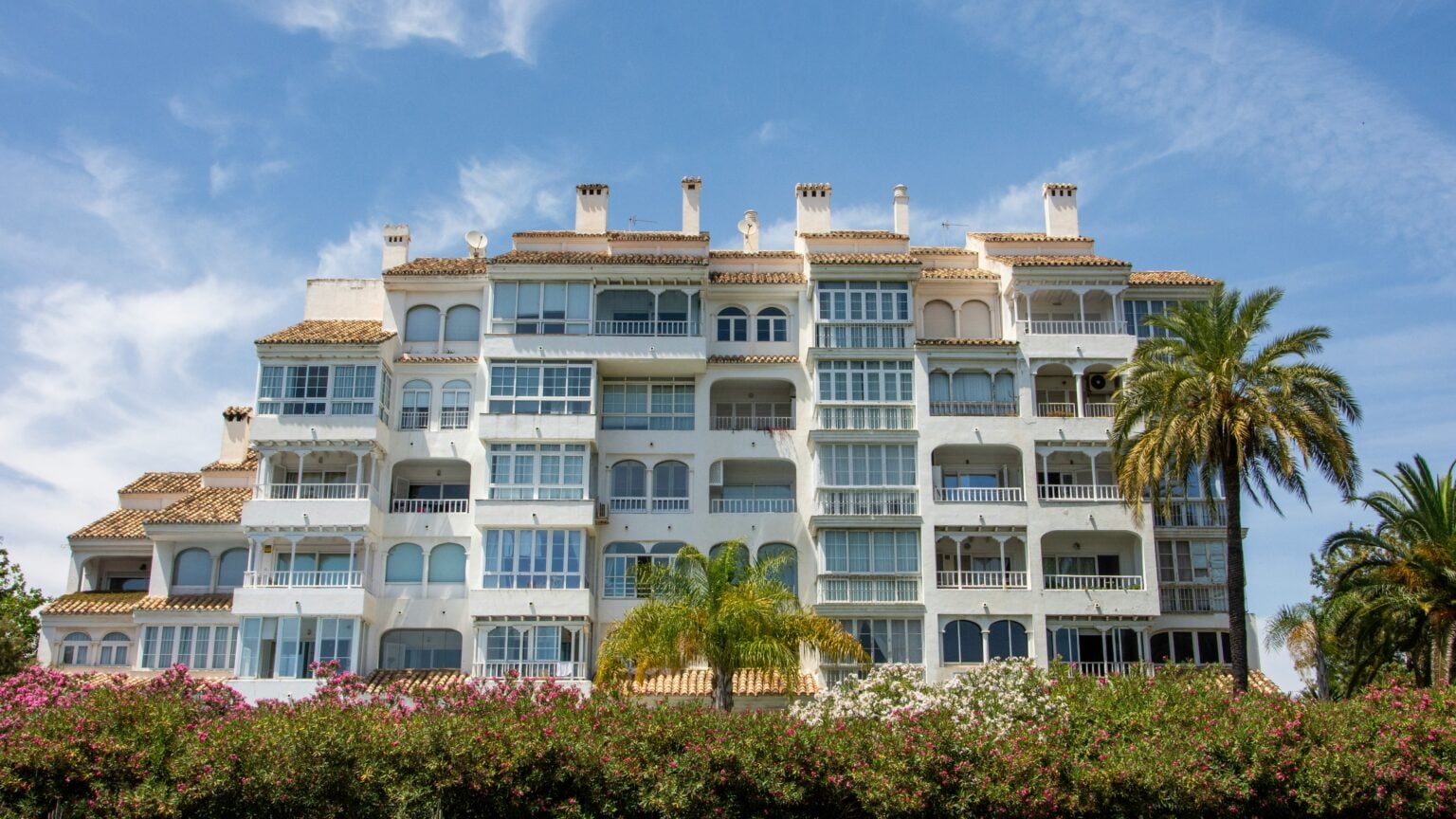

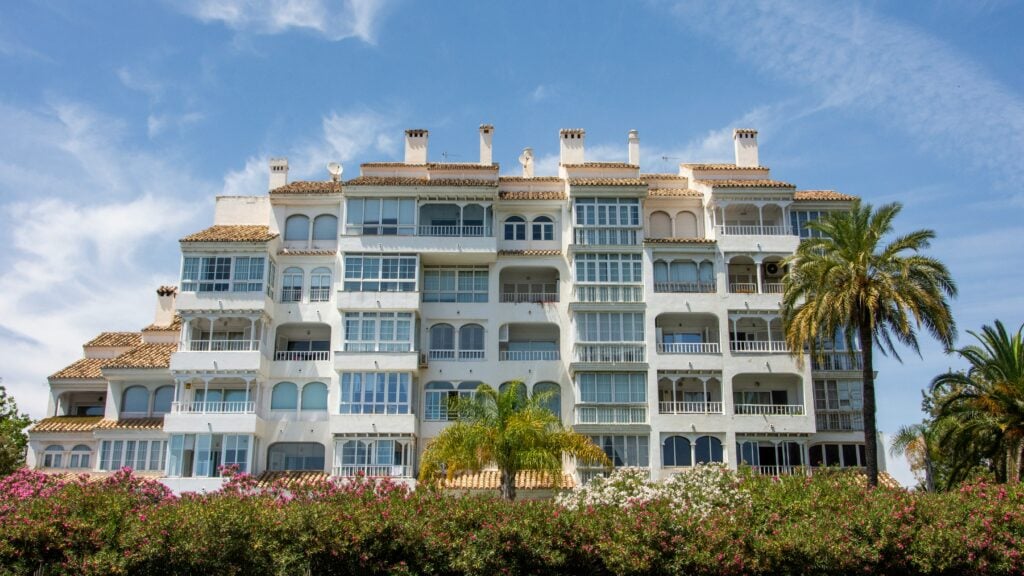
Tourist flats on the Costa del Sol can generate more than 70% of the income of an entire year-long rental in just two months, new figures have revealed.
A study by property portal Pisos.com estimates that renting out a coastal property during the peak months of July and August generates an average of €13,128 for its owner.
By comparison, a property rented long-term in Malaga capital generates an estimated €18,664 over an entire year.
It means the eight weeks of peak summer tourist letting can bring in the equivalent of 70.3% of a full year’s long-term rental income.
Broken down further, the figures suggest a Costa del Sol holiday property generates an average of around €6,564 per month during July and August, compared with approximately €1,555 per month for a year-round rental in Malaga capital.
In other words, the gross monthly income during the two peak tourist months is more than four times higher.
However, the figures do not mean that holiday rentals are necessarily four times more profitable, with costs, occupancy, taxes, management fees and different property values all potentially affecting the final return.
Costa del Sol among Spain’s most lucrative holiday markets
Across much of Spain’s coastline, Pisos.com found that just eight weeks of summer holiday rentals can generate more than half the income produced by renting a property in the corresponding provincial capital for an entire year.
On the Costa Blanca, July and August generate an estimated €9,088, equivalent to 61.8% of the €14,707 earned from a full year of renting in Alicante.
The Costa de Azahar generates around €6,800 over the summer, or 60.7% of Castellon’s estimated €11,205 annual rental income.
The Costa Dorada stands at €7,960, equivalent to 55.8% of a year’s rental income in Tarragona, while the Costa Calida generates €6,376, or 53.7% of the Murcia figure.
But some destinations produce even more dramatic results.
On the Costa Brava, a property can generate an estimated €14,056 during July and August, compared with €11,950 from an entire year of long-term renting in Girona.
That means two months of summer letting generate almost 118% of the income from 12 months of conventional renting.
In the Balearic Islands, the summer figure reaches a huge €23,384, equivalent to 98.9% of the €23,649 generated annually by a rental in Palma.
On the Costa de la Luz, €8,352 over July and August represents 94.7% of Huelva’s annual figure of €8,823.
Pisos.com warned that the numbers need to be interpreted carefully, particularly by people considering buying a property purely as an investment.
The long-term rental calculations assume that the property produces income for 12 months of the year.
The coastal calculation, however, considers only income generated during July and August, when demand and prices are at their highest.
As a result, the study puts annual rental yields in provincial capitals as high as 7.98%, while returns calculated solely from the two summer months on the coast range from 1.79% to 4.04%.
‘The percentage measures different realities in each case,’ Pisos.com explained.
For second-home owners, however, that difference can be part of the appeal.
A coastal property can be rented to tourists during the most profitable eight weeks of the year before returning to the owner’s own use for weekends, holidays and breaks during the remaining ten months.
Ferran Font, director of studies at Pisos.com, described it as the owner effectively having two different ‘contracts’ with the same home – one with the holiday rental market during summer and another with themselves during the rest of the year.
The expectations of second-home buyers have also changed, according to Font.
Rather than demanding a large investment return, some owners are satisfied if peak-season holiday rentals cover the property’s annual running costs.
‘Today, it is enough for the summer to cover the IBI, community fees, utilities and a reasonable part of the mortgage payment,’ he said.
Read more Andalucia news at the Spanish Eye.