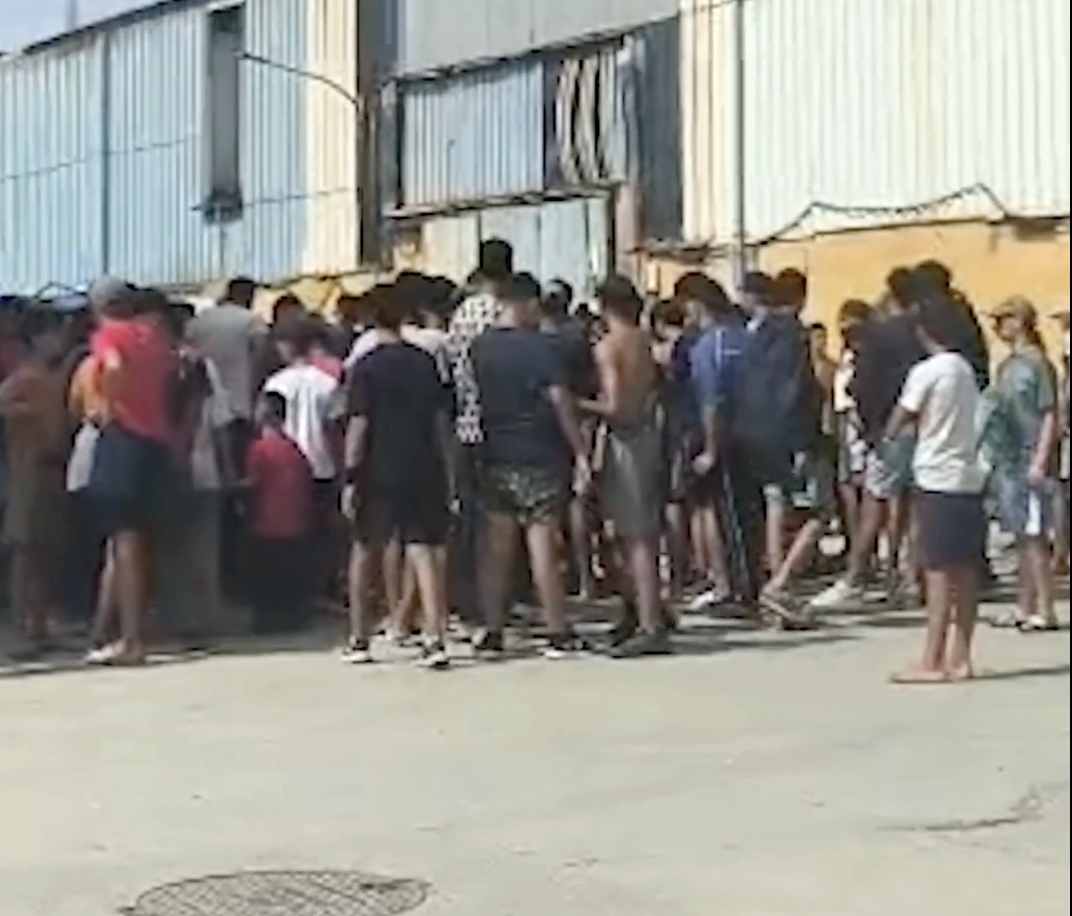

The migrant crisis in Ceuta is set to trigger the first major political test for Andalucía’s new PP-Vox coalition government.
It comes as unaccompanied children are expected to be relocated from the Spanish enclave to the region over the coming months.
Spain’s Ministry of Youth and Children is waiting for Ceuta to complete the identification of all migrant minors currently in the city before deciding each child’s future.
Children who can be safely reunited with their families in Morocco will be sent back, while the rest will enter the child protection system as unaccompanied minors.
As an emergency measure, the government has approved €25million in additional funding for Ceuta, while the Education Ministry has opened two schools to temporarily accommodate girls who arrived alone.
However, the longer-term plan is to redistribute unaccompanied migrant children across Spain’s autonomous communities under the same solidarity mechanism used during previous migration crises.
The exact number of children still requiring care remains unclear, partly because many are believed to be hiding in the hills around Ceuta to avoid being returned to Morocco.
Before last week’s mass crossings, Ceuta was already caring for 862 unaccompanied migrant children despite having facilities designed for just 29, representing an occupancy level of almost 3,000%, according to regional figures.
The planned transfers could prove politically awkward for Andalucía’s newly formed government.
The coalition agreement signed between the Partido Popular (PP) and Vox explicitly states that the regional administration will not accept additional unaccompanied migrant minors.
While the Junta has so far declined to comment, other PP-Vox administrations, including Aragon, Extremadura and Castilla y Leon, have already publicly said they will refuse to receive any children transferred by the central government.
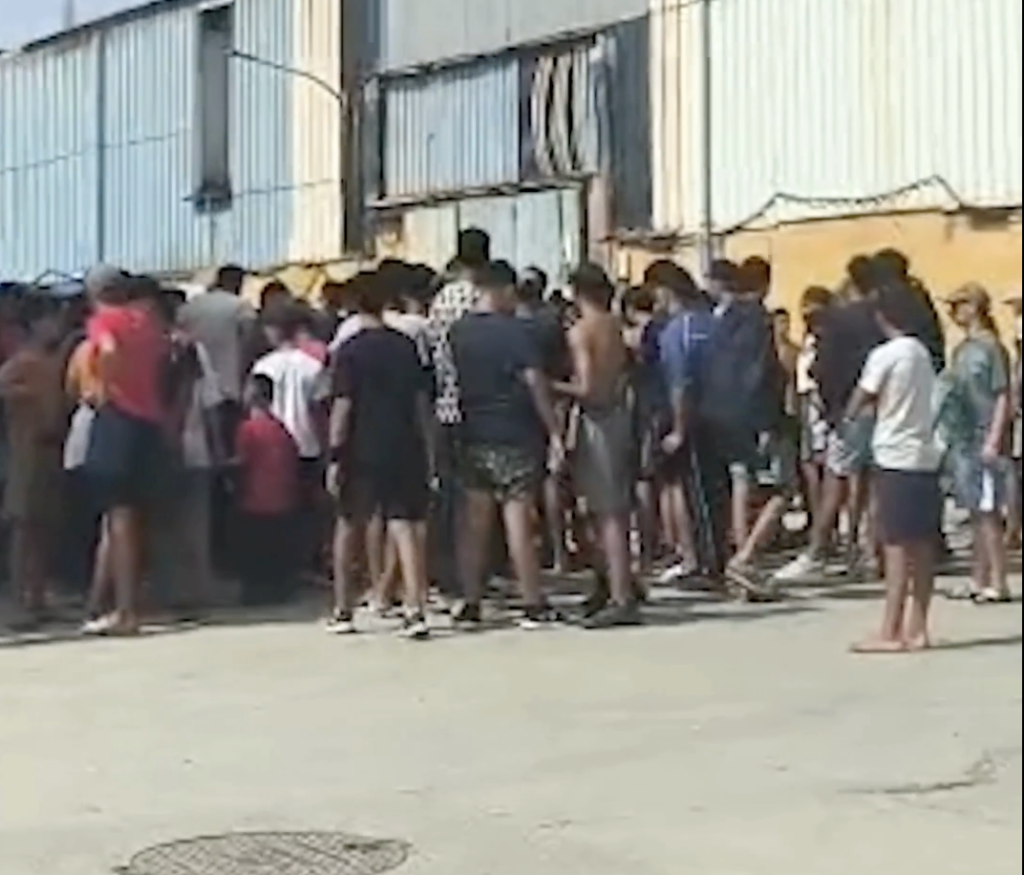
Andalucia’s position is more complicated because it already has a cooperation agreement with both Ceuta and Melilla covering social services and the reception of unaccompanied migrant children.
Historically, Andalucia has accepted children transferred from Ceuta during previous migration emergencies.
The central government also insists the regions have little room to refuse.
The Ministry of Youth says the redistribution of unaccompanied migrant children is legally binding under reforms to Spain’s Immigration Law approved in 2025 and does not require the prior agreement of regional governments.
Under the current allocation system, Andalucía is expected to have capacity for 3,095 places for unaccompanied migrant children, although it remains unclear how many of those places are already occupied.
The issue is expected to become one of the first significant points of tension within the new PP-Vox administration as the humanitarian response to the Ceuta crisis moves from emergency measures to longer-term care arrangements.