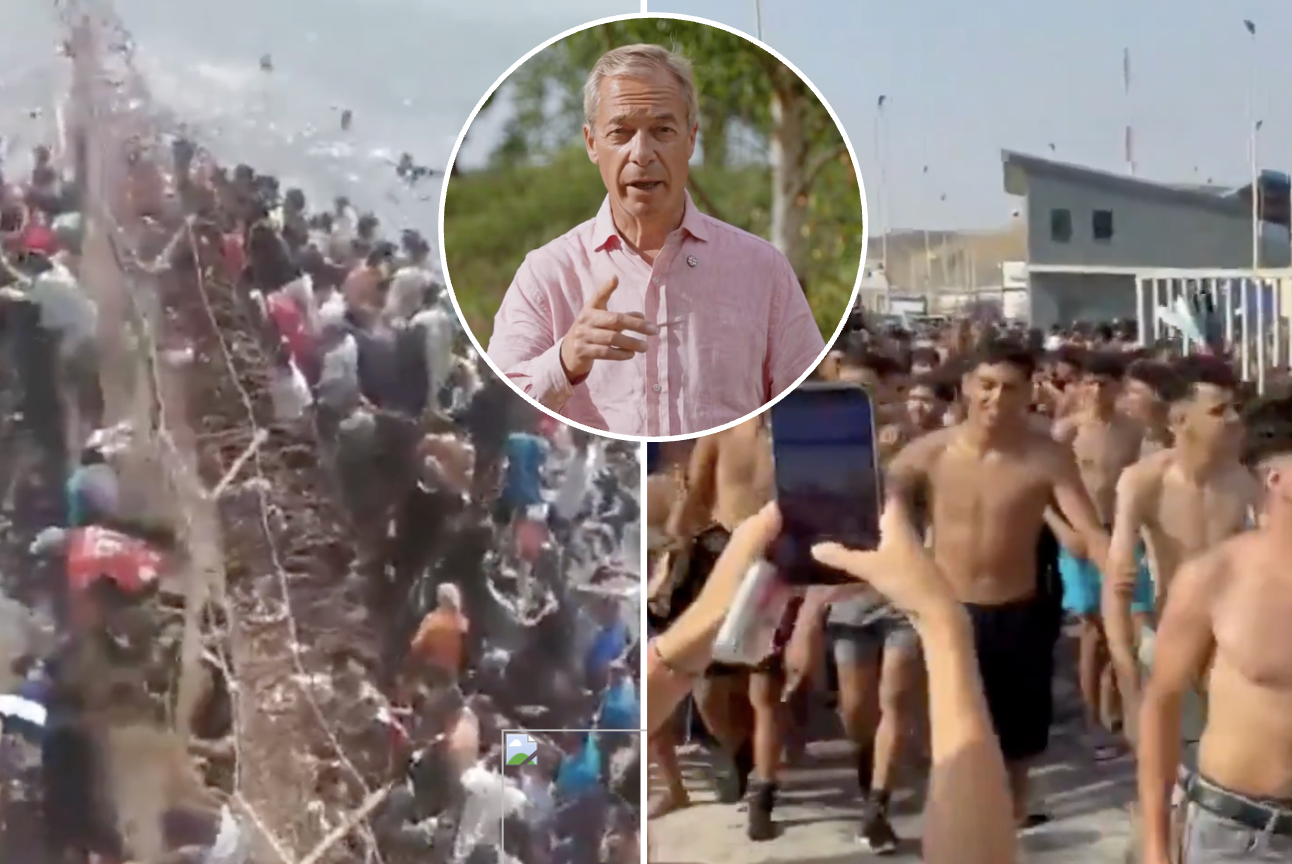

An estimated 49,000 people crossed illegally from Morocco into the Spanish enclave of Ceuta in just 24 hours, it has emerged.
The figure, from Spanish government sources speaking to Cadena SER, marks one of the largest migration surges ever recorded at the border.
Of those, at least 7,000 are believed to be children, placing enormous pressure on the city’s reception centres and emergency services.
The figures come after at least 18 people died attempting to reach the enclave by sea during the latest wave of crossings.
Prime Minister Pedro Sanchez is en route to Ceuta alongside Interior Minister Fernando Grande-Marlaska to assess the crisis firsthand.
Sanchez will visit the Tarajal border crossing before chairing a coordination meeting with Ceuta president Juan Jesus Vivas, senior police and Guardia Civil officials, and representatives from the city’s migrant reception centre and the Red Cross.
Meanwhile, Spain has continued to reinforce its security presence on the border.
The government has deployed Army units to support the Guardia Civil, while an additional 30 Guardia Civil officers have been sent from Andalucia.
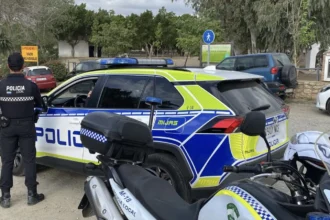
Two specialist diving teams have also been deployed to recover victims from the sea, and the Policia Nacional has dispatched an immigration team to help process new arrivals.
According to Guardia Civil sources, migrants are now being returned to Morocco at a rate of around 250 people per minute after authorities reopened the Tarajal border gate and breakwater crossing.
The crisis has also triggered political reactions across Europe.
Finland’s Interior Minister, Mari Rantanen, backed calls to suspend Spain from the Schengen Area, arguing that the country had ‘completely failed’ to protect the bloc’s external border.
Her comments followed remarks by Italian Prime Minister Giorgia Meloni, who said Italy was examining the possibility.
In the UK, Reform UK leader Nigel Farage described the scenes in Ceuta as ‘a battle for the future of our civilisation’, warning that many of those entering Spain could eventually make their way to Britain.
At the same time, child protection charity Save the Children urged the Spanish authorities to prioritise the welfare of the thousands of minors believed to have entered Ceuta, insisting that no child should be left without safe accommodation, specialist support or an assessment of their protection needs.
The unprecedented influx has drawn comparisons with the May 2021 Ceuta migration crisis, when around 10,000 migrants entered the enclave over two days.
However, if the latest estimates are confirmed, the current surge would eclipse that episode several times over.