

Opening or taking over a bar in Spain can be an excellent investment, but many entrepreneurs underestimate the legal minefield that comes with it.
- 1. Organising bingo, raffles or other games with prizes without gambling authorisation
- 2. Playing recorded music, hosting DJs or putting on live entertainment without the correct licences
- 3. Excessive noise and complaints from neighbours
- 4. Installing terrace tables, chairs, awnings or heaters without municipal permission
- 5. Breaching licensed opening and closing hours
- 6. Serving alcohol to minors
- 7. Allowing smoking inside the premises or in enclosed terrace areas
- 8. Exceeding the venue’s maximum capacity or obstructing emergency exits
- 9. Food hygiene, storage and allergen-information failures
- 10. Failing to display prices clearly or charging customers more than the advertised price
- 11. Not having official complaint forms available for customers
- 12. Showing televised football or other subscription content without the correct commercial agreement
- 13. Employing staff without contracts or failing to register them with Social Security
- 14. Operating without the correct opening, activity or hospitality licence
- 15. Using CCTV without complying with data-protection rules
According to Patricia Ruiz, partner at My Lawyer in Spain and a lawyer registered with the Malaga Bar Association, failing to comply with Spain’s licensing, health, employment and consumer protection laws can result in hefty fines, forced closure or even criminal liability.
Before signing any agreement, Ruiz told the Spanish Eye this week how prospective owners should first establish whether the existing operating licence can be transferred or whether a completely new licence is required.
Depending on the circumstances, bar owners may also need a technical project prepared by a qualified professional, planning compatibility and acoustic reports, public liability insurance, health inspections, cleaning and allergen control plans, and may face significant municipal fees before opening their doors.
In an exclusive interview with this paper, Ruiz has outlined the 15 most common – and potentially most expensive – mistakes made by bar owners in Spain.
1. Organising bingo, raffles or other games with prizes without gambling authorisation
While Article 2.2 of Spain’s Gambling Regulation Law exempts purely social games played for leisure without commercial intent, hosting bingo in bars is almost always illegal in practice.
Regional authorities hold exclusive jurisdiction over physical gambling and restrict bingo to licensed halls.
Consequently, gaming inspectors deem any setup illegal if it involves selling tickets, requiring a minimum drink order, or awarding prizes with material value (cash or in-kind).

To remain compliant and avoid heavy fines for unauthorised gambling, a bar bingo event must be entirely free, completely detached from the business’s commercial gain, and offer strictly symbolic prizes.
2. Playing recorded music, hosting DJs or putting on live entertainment without the correct licences
To legally host live entertainment, DJ sets, or recorded music, venues must meet strict municipal and regional requirements.
Compliance begins with an acoustic assessment by a qualified technician to certify noise insulation under regional law, alongside a technical project detailing the venue’s specifications.
Additionally, venues playing commercial music must ensure proper copyright clearance by paying the required licensing fees to rights management organisations such as SGAE, the organisation in Spain that collects copyright royalties for musicians, composers and publishers.
3. Excessive noise and complaints from neighbours
Bars must strictly adhere to decibel limits established by municipal ordinances, implement adequate soundproofing, and respect designated closing hours.
If permitted noise levels are exceeded, neighbouring residents may file formal complaints with the local council or the police, potentially resulting in severe fines or even the temporary closure of the establishment.
While legal limits vary by municipality, daytime noise levels within adjoining residential properties typically must not exceed 35–45 decibels, dropping to 25–30 decibels during night-time hours.
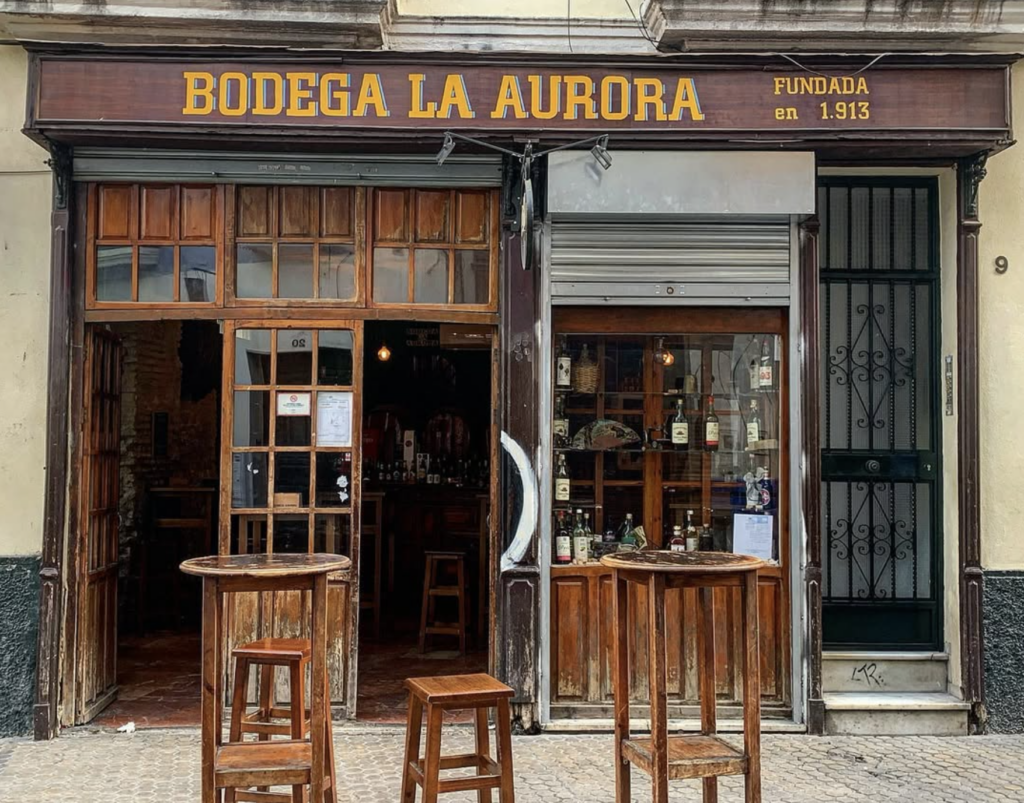
4. Installing terrace tables, chairs, awnings or heaters without municipal permission
To legally set up an outdoor terrace with tables, chairs, awnings, or heaters on public thoroughfares, venue operators must submit an official application to their local town council.
This submission must include the establishment’s valid operating license alongside a detailed floor plan specifying the dimensions and layout of the requested outdoor space.
Since each municipality regulates its own urban space restrictions and fee structures, operating an outdoor seating area without prior municipal approval can lead to administrative penalties and forced removal of the installations.
5. Breaching licensed opening and closing hours
Failing to close a venue at its mandated time exposes operators to substantial financial penalties, increased police inspections, and the potential suspension or revocation of their operating license.
Furthermore, remaining open beyond permitted hours poses severe financial risks; should an incident, injury, or damage occur inside the establishment after its official closing time, insurance providers may void coverage and refuse to pay out any claims.
6. Serving alcohol to minors
In Spain, the legal minimum age to purchase or consume alcohol in any bar, restaurant, or public establishment is 18.
It is strictly prohibited by law to sell, serve, or allow the consumption of alcoholic beverages to anyone under the age of majority, and doing so exposes business owners to severe administrative sanctions, heavy fines, and potential license revocation.
7. Allowing smoking inside the premises or in enclosed terrace areas
Allowing smoking indoors or within fully enclosed terrace spaces can immediately trigger formal disciplinary proceedings.
Whether initiated by a customer complaint or a routine police inspection, failing to enforce anti-smoking regulations exposes business owners to significant administrative fines and sanctions.

8. Exceeding the venue’s maximum capacity or obstructing emergency exits
Exceeding a venue’s maximum permitted capacity or blocking emergency exits severely compromises public safety and carries severe legal consequences.
Operating beyond established occupancy limits can result in substantial administrative fines, the temporary or permanent closure of the establishment, and potential criminal liability for business owners should an emergency occur.
9. Food hygiene, storage and allergen-information failures
If health authorities determine that a venue fails to comply with hygiene, storage, or allergen disclosure regulations, immediate precautionary measures and severe financial penalties will apply, depending on the severity of the infringement.
Where an imminent and serious risk to public health is detected, authorities may order the provisional closure of the establishment alongside the immediate seizure or destruction of contaminated, expired, or untraceable food products. Furthermore, severe cases involving health hazards can lead to criminal liability for venue operators.
10. Failing to display prices clearly or charging customers more than the advertised price
Failing to publish prices clearly or charging patrons more than advertised amounts constitutes a direct consumer rights violation, exposing venue operators to financial penalties, customer claims, and the mandatory reimbursement of overcharged fees.
Prices for off-menu daily specials must be communicated clearly and visibly prior to ordering, and all listed prices must be fully inclusive of VAT. Additionally, establishments cannot legally make tipping mandatory under any circumstances.
11. Not having official complaint forms available for customers
Failing to make official complaint forms or their corresponding mandatory notice sign available to patrons constitutes a direct administrative infringement under consumer protection laws.
Spanish regulations require all public-facing businesses to maintain these forms on site and display clear signage informing customers of their availability. Non-compliance can trigger formal inspections, immediate regulatory intervention, and substantial financial fines.
12. Showing televised football or other subscription content without the correct commercial agreement
Broadcasting commercial football matches or subscription TV content in a bar without an official commercial package constitutes an intellectual property infringement and a minor offense against the market and consumers under Article 286.4 of the Spanish Criminal Code.
Legally, this offence covers the actual use – rather than mere possession – of unauthorised equipment, software, or residential decoders to access conditional-access pay services without paying the required commercial fees. Venue operators who knowingly broadcast these channels unlawfully face civil lawsuits from rights holders like La Liga, alongside criminal charges, heavy fines, and potential compensation payouts.
13. Employing staff without contracts or failing to register them with Social Security
Employing staff off the books or requiring employees to work hours beyond their contractual agreements constitutes severe labor fraud with significant legal consequences for business owners.
Failing to register a worker with the Social Security system before they begin working is classified as a very serious administrative infringement, subjecting the employer to hefty fines ranging from €3,100 to €10,000 per unregistered employee, along with mandatory back-payments for unpaid contributions.
14. Operating without the correct opening, activity or hospitality licence
Operating a bar without the required municipal opening license or responsible declaration constitutes a major regulatory violation, exposing owners to substantial administrative fines ranging from €750 to €60,000 depending on the severity of the infringement.
Local authorities can issue an immediate order for the forced closure and police sealing of the venue until its legal status is fully regularised. Additionally, third-party liability insurance policies typically void coverage for establishments operating unlawfully, leaving owners personally liable for any damages or injuries occurring on the premises.
15. Using CCTV without complying with data-protection rules
Installing CCTV cameras in a venue requires strict adherence to the General Data Protection Regulation and Spain’s Organic Law on Data Protection. Operating a compliant system requires displaying visible warning signs at all access points, restricting camera coverage strictly to necessary security areas (avoiding private spaces and public thoroughfares), and purging recorded footage within a maximum of 30 days. Non-compliance exposes business owners to formal investigations and severe financial penalties imposed by the Spanish Data Protection Agency.