There’s no avoiding the fact that climate change is happening.
According to the overwhelming majority of scientists, global temperatures are rising and there could be serious consequences by the end of this century.
Spain, and in particular Andalucia, are no exceptions to the warnings, with some predicting the latter could see swathes of its territory transformed into desert.
Now, a new study by the Junta de Andalucia’s Climate Change Adaptation Programme has shed light on the towns most at risk from heat increases.
The study has identified the municipalities where average maximum temperatures are expected to rise by more than 5C by the end of the century, making them the fastest-warming places in the region.
The towns expected to heat up the most
Based on the official projections for the period 2091-2100, these municipalities are forecast to experience the largest increases in average maximum temperatures:
| Town | Province | Projected increase |
|---|---|---|
| Ubeda | Jaen | +5.66C |
| Torrecampo | Cordoba | +5.59C |
| Colomera | Granada | +5.57C |
| Adamuz | Cordoba | +5.42C |
| Velez-Blanco | Almeria | +5.30C |
These figures do not mean these towns will necessarily become the hottest places in Andalucia.
Instead, they show where temperatures are expected to rise the most compared with today’s climate.
Why the coast is warming more slowly
One of the report’s most striking findings is the contrast between inland Andalucia and the coast.
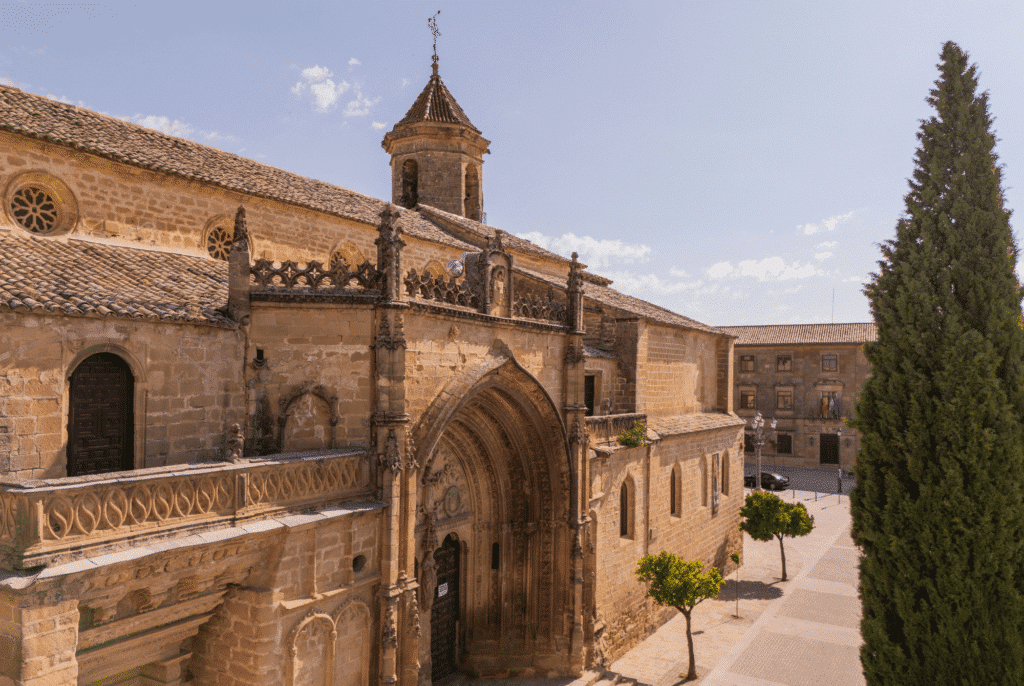
While northern Almeria, Jaen, Cordoba and Granada are projected to experience some of the region’s largest increases, much of the Mediterranean coastline is expected to see a more moderate rise of around 2C to 3C by the end of the century.
Scientists say the reason is that the Mediterranean Sea acts as a natural thermostat.
Water heats and cools much more slowly than land, helping to moderate coastal temperatures throughout the year.
As you move inland, that cooling influence disappears, allowing temperatures to climb much more rapidly.
What does a 5C rise actually mean?
The projections do not suggest every day will suddenly become five degrees hotter.
Rather, they estimate how much average maximum temperatures could increase over coming decades, particularly during spring and summer.
In practical terms, that means more frequent heatwaves and longer periods of extreme heat.

It also translates to higher peak daytime temperatures and more days each year above dangerous heat thresholds.
Agriculture and water under pressure
The warming is expected to place additional strain on some of Andalucia’s most important agricultural regions.
Higher temperatures increase evaporation from reservoirs and soils, raising irrigation demand and placing further pressure on already-stretched water supplies.
Dryland farming is likely to become increasingly difficult, while growers may need to adopt new crop varieties and more efficient irrigation systems to cope with hotter conditions.
A long-term warning
The authors stress these projections are not predictions for any single year.
Instead, they are long-term climate scenarios based on scientific models that estimate how temperatures could evolve under continued global warming.
Their purpose is to help local authorities, businesses and residents prepare for the decades ahead.
Read more Andalucia news at the Spanish Eye.