
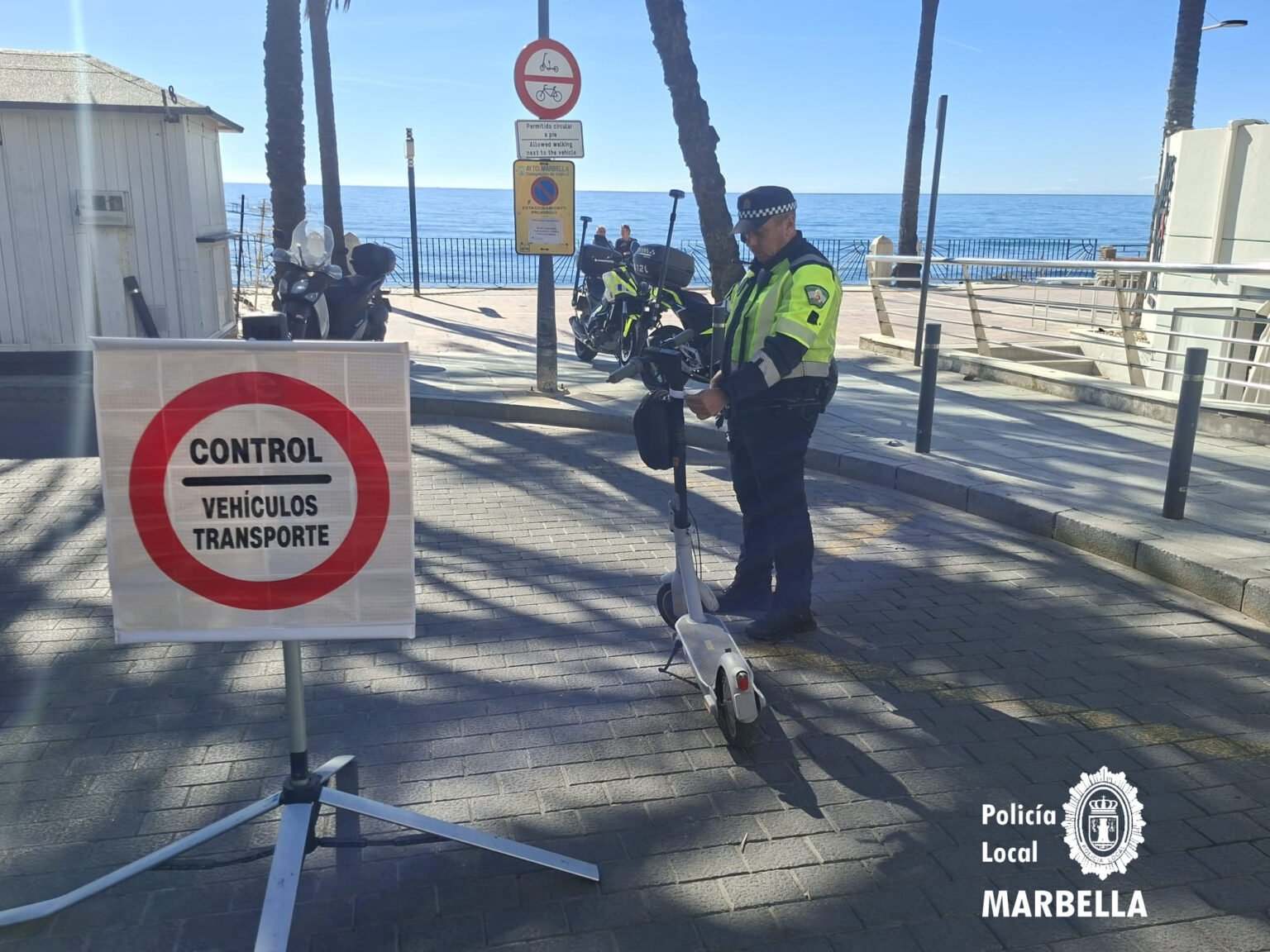

Spain is introducing sweeping new traffic rules from October that will affect electric scooter users, cyclists, motorcyclists, taxi drivers and motorhome owners.
The reforms have been approved by the government as part of changes to the General Traffic Regulations.
Among the most significant measures are a minimum age for electric scooter riders, mandatory helmets, new requirements for motorcycle gloves and footwear, stricter overtaking rules around cyclists and fresh restrictions for motorhomes.
New rules for electric scooters
For the first time, Spain will introduce a nationwide minimum age of 15 to ride electric scooters and other personal mobility vehicles (VMPs).
From October 1, riders must wear:
- A helmet at all times
- A reflective vest at night or in poor visibility
- A reflective vest at all times if using the vehicle professionally
Failure to comply will be classified as a serious offence carrying a €200 fine.
Electric scooters will also be required to use lights whenever they are being ridden, although this rule will not take effect until October 1, 2027.
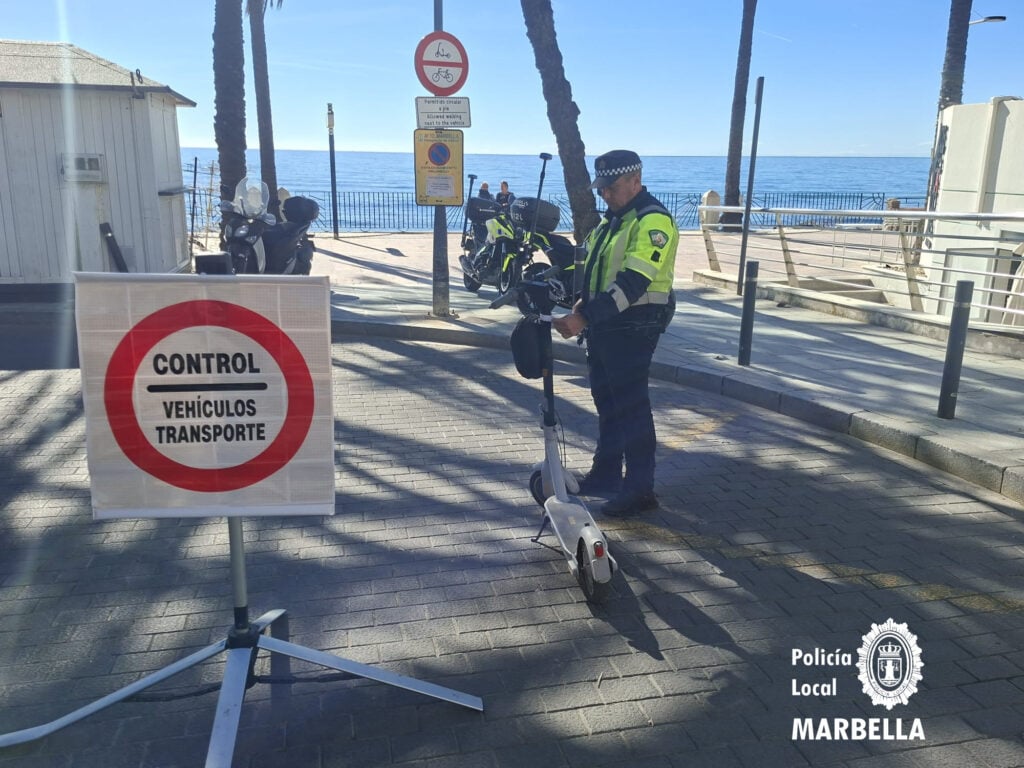
Cyclists gain greater protection
The reforms remove existing exemptions on helmet use for cyclists on interurban roads.
Professional riders and delivery workers must wear both a helmet and a reflective vest while working, with breaches punishable by a €200 fine.
Drivers overtaking cyclists on interurban roads will also face tougher requirements.
Motorists must:
- Reduce speed by at least 20km/hr below the road’s speed limit when overtaking
- Move completely into the adjacent lane on multi-lane roads
- Maintain at least 1.5 metres of lateral separation
In urban areas, cyclists will be encouraged to ride in the centre of their lane for safety reasons.
Drivers following cyclists in the same lane must leave a minimum distance of five metres.
Gloves and closed shoes for motorcyclists
Motorcycle and moped riders will face new safety obligations.
Drivers and passengers must wear protective gloves on interurban roads and closed footwear on all roads.
Breaking the rules will result in a €200 fine.
The government is also replacing the current helmet rules with a requirement for fully homologated motorcycle helmets from October 2027.
Motorcycle couriers and delivery riders will additionally have to wear reflective vests while working.
Taxi drivers lose seatbelt exemption
Several existing exemptions to Spain’s seatbelt laws are also being abolished.
Taxi drivers, driving instructors and drivers of goods vehicles will now be required to wear seatbelts at all times.
An exception remains for medical personnel working in the patient compartment of emergency ambulances where treatment is being provided during transport.
New rules during traffic jams and snow
The reforms also introduce changes for drivers caught in congestion.
When traffic slows to walking pace or stops completely, motorists must move aside to create a central emergency corridor for police, ambulances and other emergency vehicles.
On motorways and dual carriageways affected by snow, overtaking will be banned and drivers must remain in the right-hand lane, leaving the left lane free for snowploughs and emergency services.
Changes for motorhomes
The government has also clarified parking rules for motorhomes and campervans.
When parked, motorhomes:
- Cannot extend awnings, tables or other equipment beyond their perimeter
- Must remain supported only by their tyres
- Cannot discharge waste water or other fluids
When do the rules take effect?
Most of the reforms will come into force on October 1, 2026.
However, two key measures have been delayed until October 1, 2027:
- Mandatory lighting for electric scooters and other VMPs
- Mandatory homologated motorcycle helmets
Meanwhile, the requirement for certified protective motorcycle gloves will take effect once the government publishes the technical standards governing approved products.
The changes represent one of the biggest overhauls of Spain’s traffic regulations in recent years and will affect millions of road users across the country.




So what about cyclists who refuse to use the cycle lanes provided solely for them but still insist on riding in large groups on roads causing conjestion in the process?