
Pope Leo XIV was forced to abandon his scheduled flight back to Rome after a technical fault was detected on his aircraft at Tenerife North Airport.
The incident occurred at the very end of the pontiff’s seven-day visit to Spain, which included stops in Madrid, Barcelona and the Canary Islands.
According to reports, the Pope had already boarded an Iberia aircraft at Tenerife’s Los Rodeos Airport and was preparing for departure when a problem was detected in one of the plane’s engines.
The fault forced the pontiff, his entourage and the Vatican press corps to disembark while technicians attempted to resolve the issue.
Despite efforts to repair the aircraft, the problem could not be fixed in time.
As airport staff worked to find a solution, Pope Leo XIV remained inside the terminal alongside King Felipe VI, who had travelled to Tenerife to bid farewell to the pontiff following the conclusion of his visit.
Iberia reportedly proposed sending a replacement aircraft from Madrid, but the plan would have resulted in a lengthy delay.
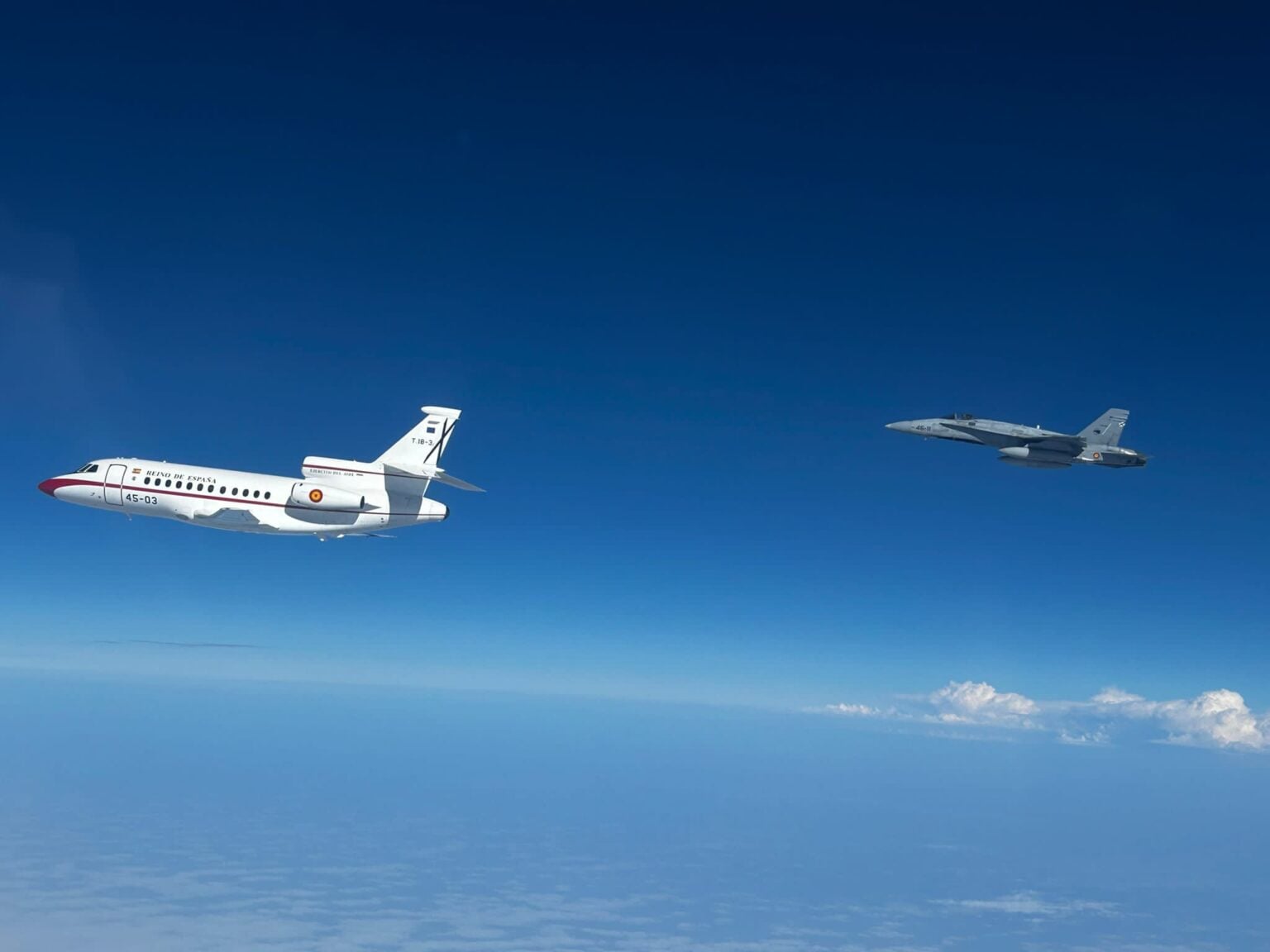
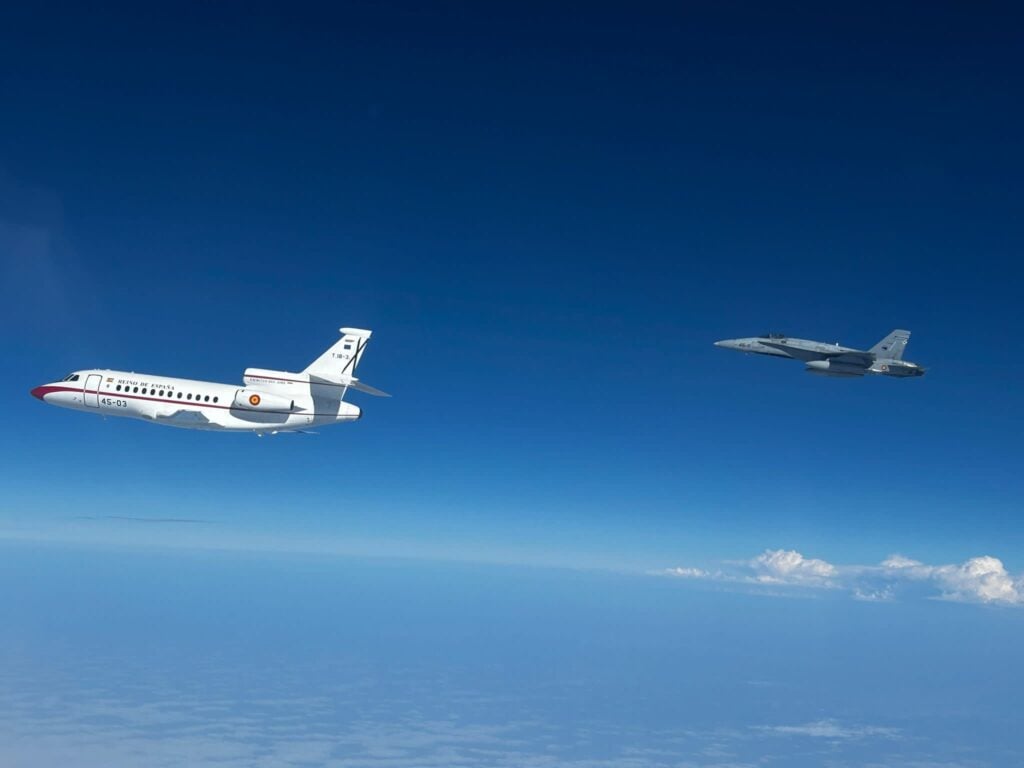
In an unexpected gesture, the King offered the Pope the use of the Falcon military aircraft that had flown him from Madrid to Tenerife earlier that day.
The pontiff accepted the offer.
Pope Leo XIV subsequently departed Tenerife at around 6pm aboard the Spanish Air Force jet, accompanied by his closest advisers and members of the Vatican Curia.
Meanwhile, the Vatican press delegation was left waiting in Tenerife for the replacement Iberia aircraft and was not expected to reach the Italian capital until around 1am Saturday.
The disruption also meant the traditional in-flight press conference held by popes during overseas trips had to be cancelled.
King Felipe VI remained in the Canary Islands awaiting another Defence Ministry aircraft to return him to Madrid.
Iberia later apologised for the disruption, insisting that passenger safety had guided its decision.
‘Safety is always Iberia’s priority,’ the airline said in a statement.
‘Replacing the aircraft was the safest option and therefore the one that was adopted, as is always the case in similar circumstances. The company apologises to passengers for the inconvenience caused.’