
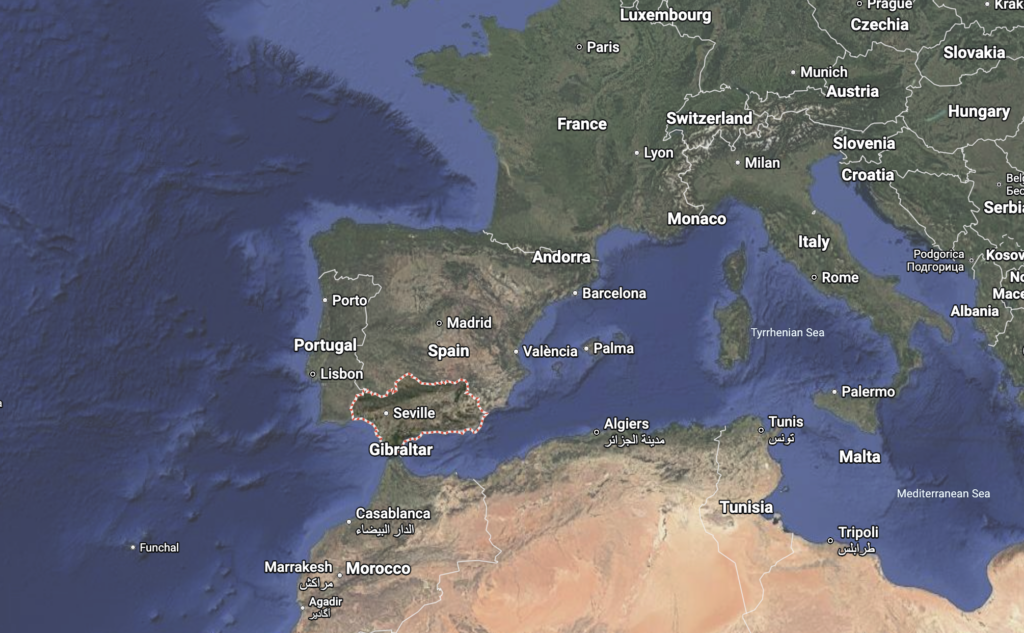
Andalucia is rapidly cementing itself as one of Spain’s most important defence and military industry hubs as Europe accelerates rearmament efforts amid growing global instability.
According to Spain’s 2025 National Security Report, the defence sector generated €3.44 billion in business activity across Andalucia in 2024, underlining the region’s growing strategic importance within Spain and the wider EU.
The report highlights how the war in Ukraine, NATO pressures and Europe’s push for greater military autonomy have triggered a major transformation in the continent’s security architecture – with Spain significantly increasing defence spending in response.
Andalucia combines major military infrastructure, NATO-linked strategic geography and an increasingly powerful industrial ecosystem spanning aerospace, naval construction, cyber technology and advanced military systems.
Its importance is further reinforced by the presence of two joint US-Spanish military bases and its position on Europe’s southern flank near the Strait of Gibraltar.
Across Spain, direct defence industry sales reached almost €10 billion in 2024 – a 17.1% increase compared to the previous year.
Of that figure, €3.03 billion came directly from contracts with Spain’s Ministry of Defence, while exports totalled €6.93 billion.
The aerospace sector dominated the figures, accounting for roughly two-thirds of total exports, and Andalucia sits at the heart of that growth.
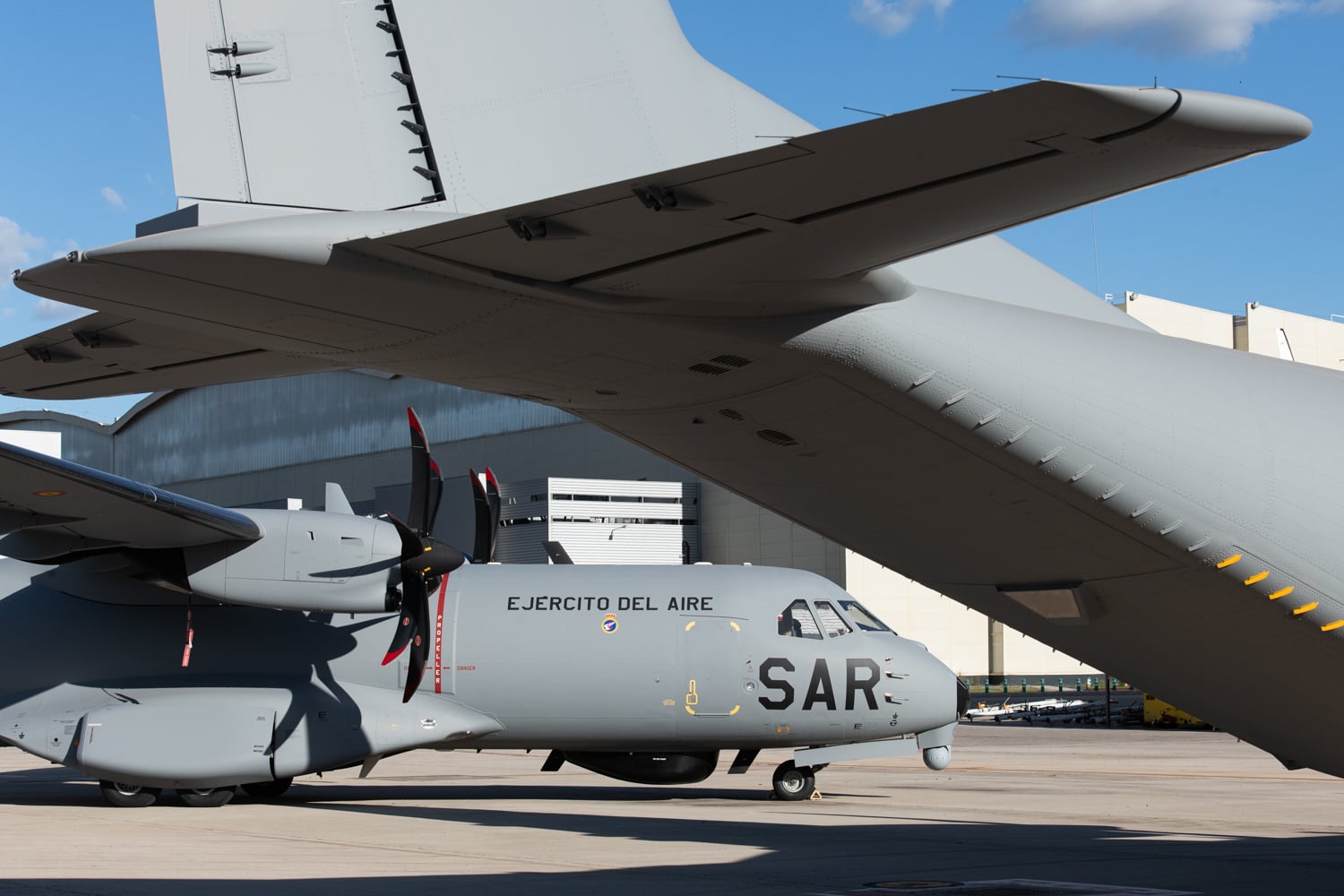
Airbus operates major military aircraft assembly facilities in Sevilla, including production lines for the A400M and C295 military aircraft, while Cádiz supports naval construction through the giant state-owned shipbuilder Navantia.
Navantia’s three shipyards in the Bay of Cadiz handle both Spanish and international military vessel contracts, alongside major modernisation and maintenance programmes for foreign navies.
The defence giant also supports a vast network of smaller regional subcontractors and specialist engineering firms.
Meanwhile, Indra has recently expanded aggressively across Andalucia, opening a new advanced avionics centre in Malaga and planning radar and command systems production in Cordoba.
The company is also partnering with regional firms such as Ghenova on defence technology projects.
Other important companies operating in Andalucia’s defence ecosystem include Airtificial, Aertec, SAES, Frizonia, Novaindef, Aerointer, Quest Global and Aciturri.
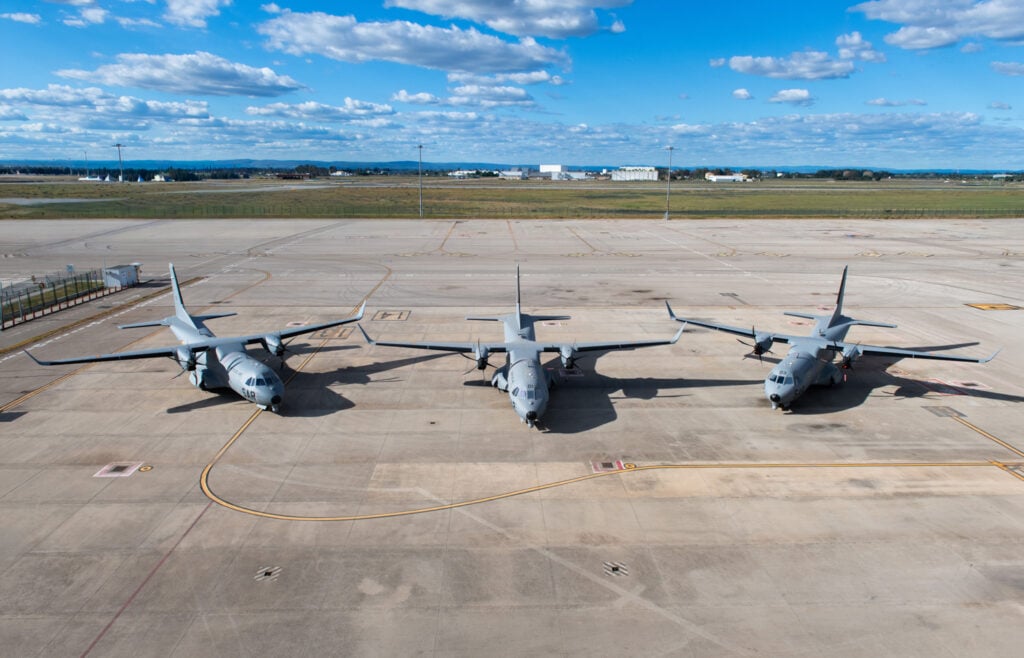
The report estimates Andalucia currently has 163 defence-related production facilities employing more than 7,100 workers.
Part of those figures are also incorporated into the so-called ‘Silver Corridor’ industrial strategy linking southern Extremadura and Sevilla.
Despite the growth, the report notes that small and medium-sized businesses still receive only a small fraction of direct Ministry of Defence contracts, despite representing more than 80% of Spain’s defence industrial base.
Authorities are now trying to increase SME participation through subcontracting opportunities and regional supply chain expansion.
The defence boom is also beginning to spread into provinces previously less connected to the sector.
Cordoba is emerging as a major future logistics and military technology centre thanks to the new Army Logistics Base and Indra’s expansion plans.
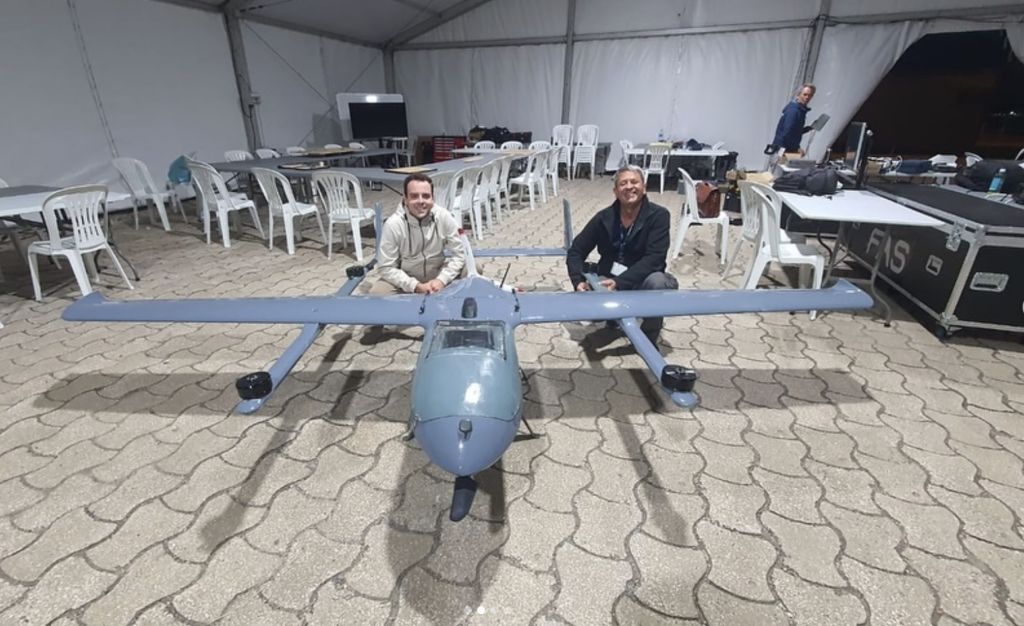
Meanwhile, CETEDEX in Jaen is being developed as a cutting-edge research facility focused on artificial intelligence, autonomous vehicles and anti-drone systems.
In Huelva, the CEUS drone testing centre is already hosting advanced unmanned aircraft projects, including Airbus Defence and Space’s SIRTAP drone programme for the Spanish armed forces.
Industry leaders believe the transformation could make Andalucia one of southern Europe’s dominant defence technology regions over the coming decade.
Read more Andalucia news at the Spanish Eye.