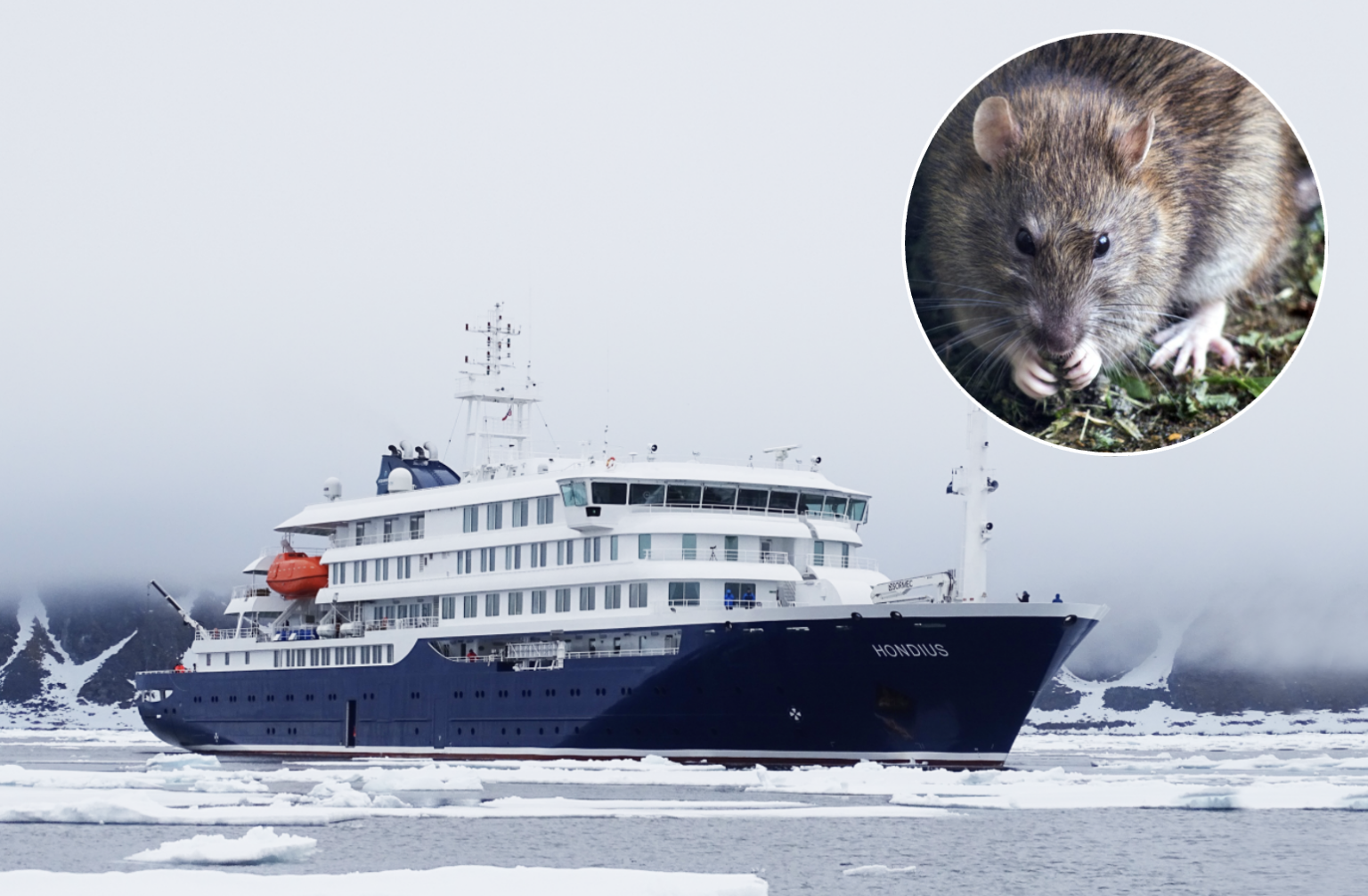

Spanish health authorities have now identified three people who came into contact with the Dutch woman who died from hantavirus after leaving the MV Hondius.
The case causing the greatest concern is that of a 32-year-old woman living in Alicante, who shared a flight with the infected passenger before she later died in a Johannesburg hospital.
According to Spain’s Secretary of State for Health Javier Padilla, the woman is showing mild symptoms, mainly a cough, although she remains in a generally good condition.
Padilla admitted her symptoms would likely have gone completely unnoticed were it not for the known contact with the deceased passenger.
The woman is currently being treated inside a negative pressure isolation room at San Juan Hospital in Alicante, with test results expected this Saturday.
Spanish authorities have also confirmed a second contact linked to the case – a South African woman who spent several days in Barcelona before returning home.
Officials say they are now attempting to gather more information about her situation, although they currently believe the risk of transmission remains ‘extremely remote’.
Catalan health authorities are reviewing her movements and any possible contacts made during her stay in Spain.
Meanwhile, a third woman – a 45-year-old resident of Catalonia – has also been identified as a close contact despite currently showing no symptoms.
Authorities say she was only discovered after investigators realised she had changed seats during the flight, complicating the original contact-tracing operation.
Under Spain’s newly approved health protocols, she now officially qualifies as a monitored close contact and will remain under medical surveillance.
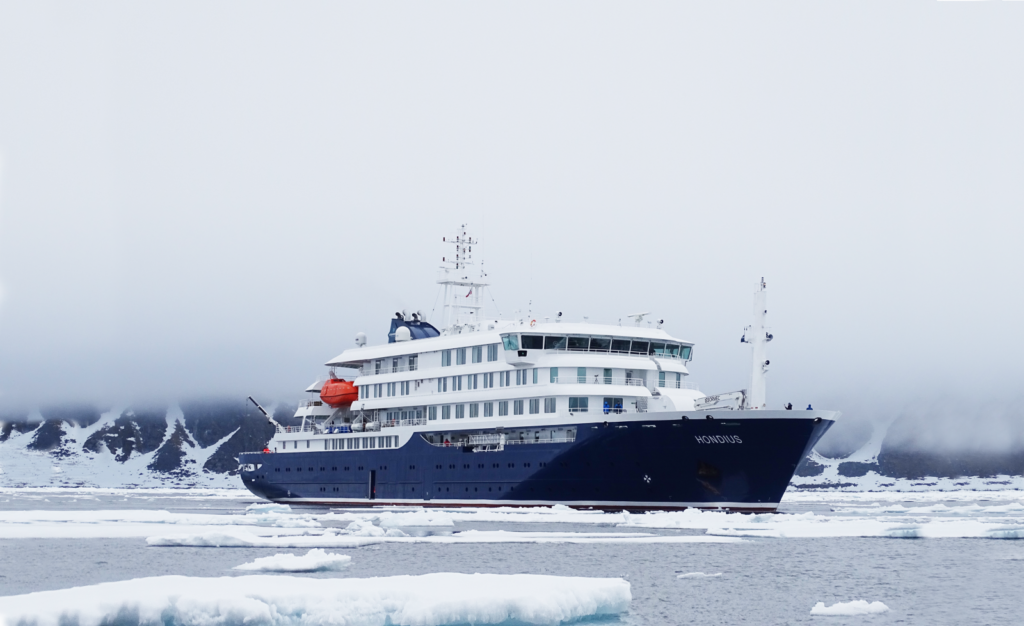
The developments come as Spain prepares a huge security and health operation ahead of the arrival of the MV Hondius in Tenerife this Sunday.
The cruise ship is carrying 14 Spanish passengers who will later be flown to Madrid to complete quarantine at the Gomez Ulla military hospital.
Spanish authorities are treating the situation with extreme caution due to fears surrounding the Andes variant of hantavirus linked to the outbreak.
The operation is expected to involve Spain’s Health Minister Monica Garcia, Interior Minister Fernando Grande-Marlaska and even World Health Organization chief Tedros Adhanom Ghebreyesus.
The ship itself will remain anchored offshore near the port of Granadilla rather than docking directly in Tenerife.
Passengers will instead be removed using smaller boats to avoid contact with the local population before being transported in isolated vehicles to Tenerife South Airport.
From there, Spanish passengers will be flown to Madrid’s Torrejon air base before entering quarantine at the Gomez Ulla hospital, where a specialist monitoring unit has already been prepared.
Doctors say early detection is considered crucial because hantavirus has no specific treatment.