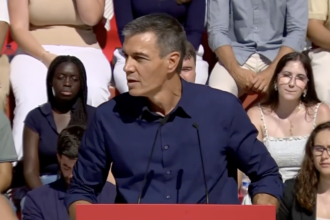
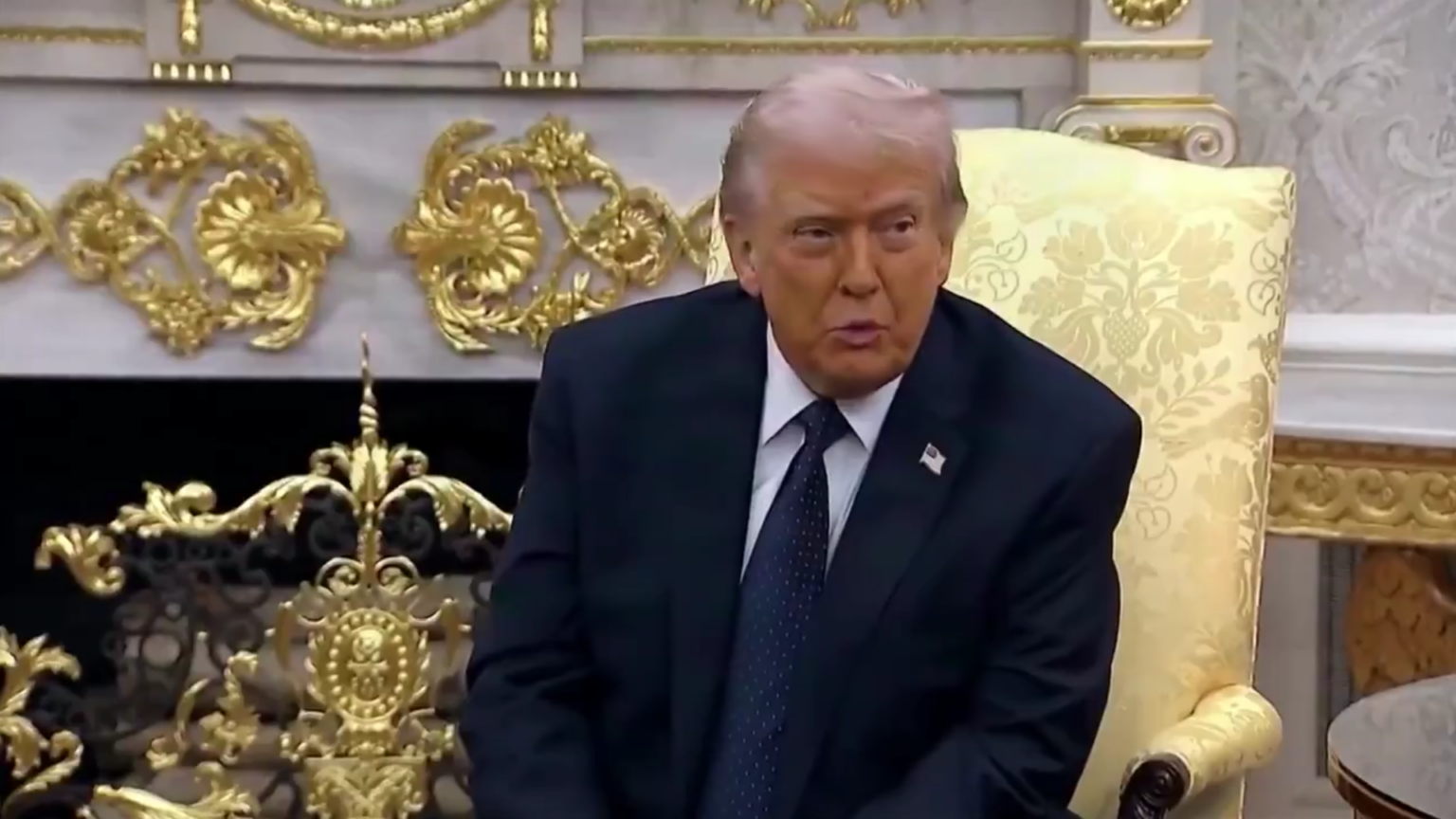

Concerns have been raised over whether Spain could be expelled from NATO after an internal memo from the US ‘Department of War’ floated it as a possibility.
While the idea may sound attractive to president Donald Trump, there is no legal mechanism that would allow him to carry it out.
The NATO alliance is governed by the North Atlantic Treaty, signed in 1949, and it does not include any rule that allows for the expulsion or suspension of a member state against its will.
The only provision related to leaving the alliance is found in Article 13, which states that a country may withdraw voluntarily by notifying the US, with one year’s notice.
There is no clause that allows any country – including the US – to remove another member.
This means that neither Donald Trump nor the US government has the legal authority to expel Spain from NATO.
The alliance operates on consensus, and while disagreements between members do occur, they are handled politically rather than through formal sanctions like expulsion.
That doesn’t mean there are no consequences in times of conflict. NATO members can face indirect pressure, such as reduced military cooperation, exclusion from certain programmes, or changes to bilateral agreements.
A clear example is Turkey, which faced sanctions and was removed from the F-35 fighter jet programme after purchasing Russian defence systems, yet it remains a full NATO member.
In Spain’s case, while there has been speculation about potential ‘suspension’, there is no legal basis for such a move within NATO’s framework.
However, the US could reconsider specific military arrangements, such as its presence at bases in Rota or Moron, which would have economic and strategic implications without affecting Spain’s membership status.
Ultimately, NATO is not structured as a punitive organisation. It is a political and military alliance built on cooperation and mutual agreement. Countries can choose to leave but they cannot be forced out.