
Spain has stepped up pressure on the EU to take a tougher stance on Israel.
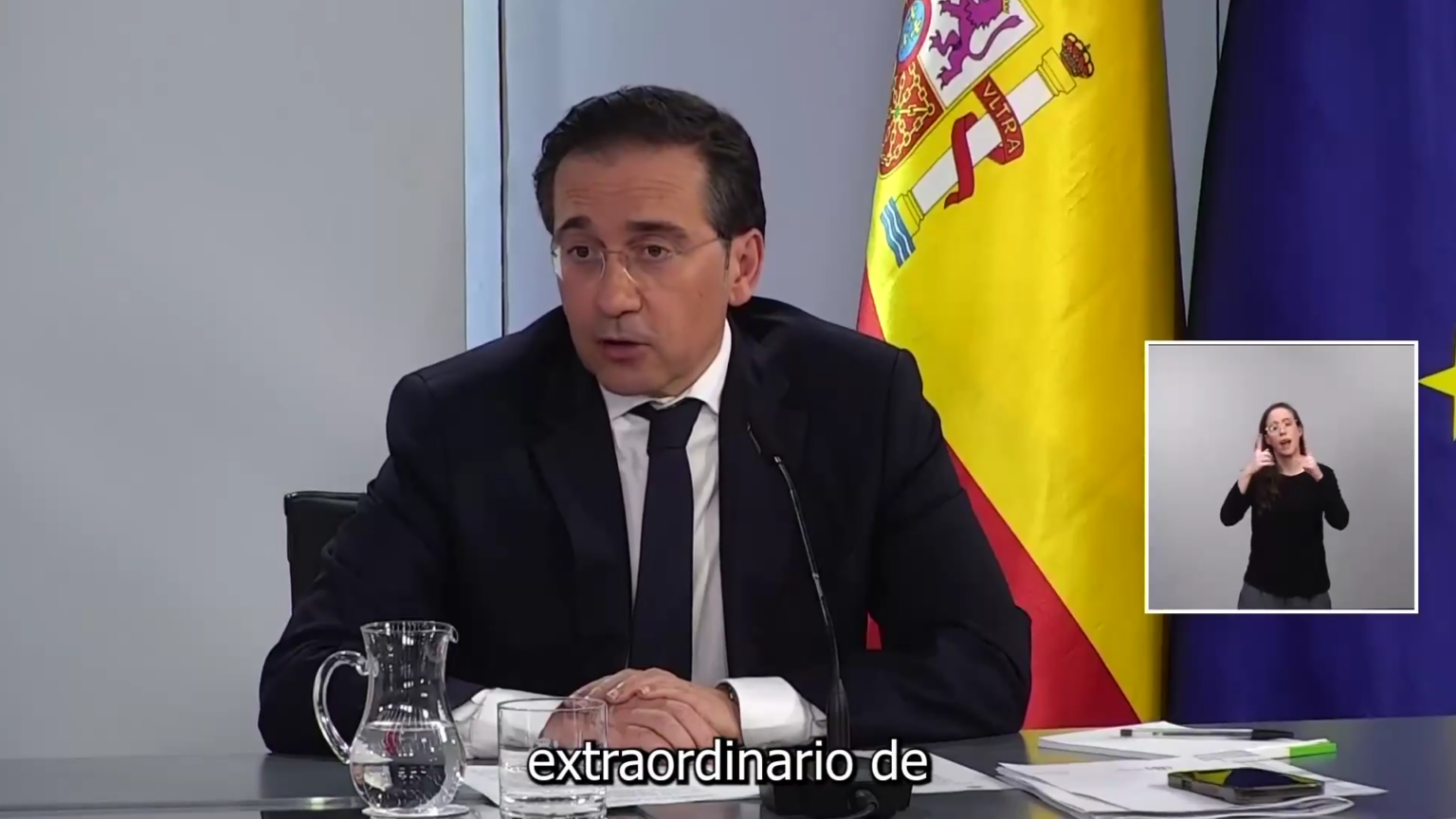
Foreign Minister Jose Manuel Albares urged the bloc on Tuesday to suspend its association agreement over the escalating crisis in the Middle East.
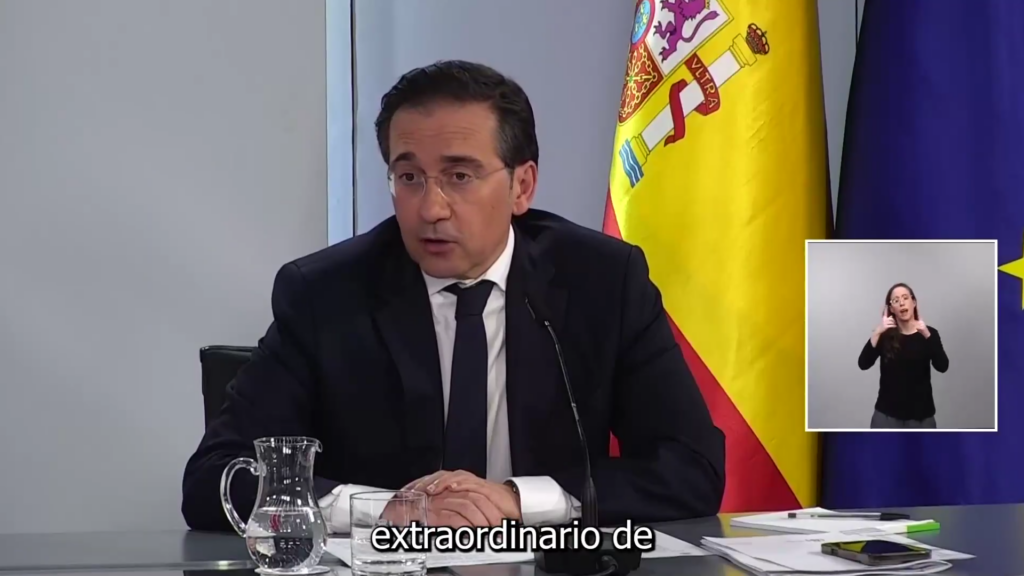
Speaking at a meeting of EU foreign ministers in Luxembourg, Albares said the situation had reached a breaking point, warning that Europe’s credibility is now at stake.
‘We are facing an extraordinarily serious situation,’ he said, describing the current conflict as one of the most severe global crises of this century.
Call to suspend EU-Israel ties
Spain, alongside Ireland and Slovenia, has formally requested a debate on suspending the EU’s association agreement with Israel, citing Article 2, which ties cooperation to respect for human rights.
However, a full suspension would require unanimous backing from all EU member states, something unlikely at present, with countries like Germany opposed.
Still, Albares is pushing for action, even if that means more limited measures.
‘The essential thing is not to remain inactive while the situation worsens,’ he said.
Pressure for at least partial measures
A partial suspension focused on trade is seen as a more realistic option, as it would only require a qualified majority rather than unanimity.
Such a move had previously been discussed during the Gaza conflict but was never implemented.
Now, Spain argues the situation has deteriorated further, with violence spreading across the region.
‘What more has to happen for the EU to react?’ Albares asked, calling for a ‘clear and strong signal’ to the government of Benjamin Netanyahu.
‘Europe’s credibility is on the line’
For Madrid, the issue is about consistency in foreign policy.
Albares said the EU must apply the same principles it has used in other conflicts, including its response to Russia’s war in Ukraine or humanitarian crises like Sudan.
‘If we are not capable of speaking with the same firmness, we will lose credibility,’ he warned.
Spain insists that maintaining relations with Israel under current conditions sends the wrong message, arguing that ‘war cannot be the basis of a relationship with the European Union’.
Broader regional concerns
Albares also addressed tensions involving Iran, stressing that Tehran must not be allowed to develop nuclear weapons and should act to stabilise, rather than inflame, the region.
He also called for the full opening of the Strait of Hormuz, a key global trade route, warning that instability there could have serious economic consequences worldwide.