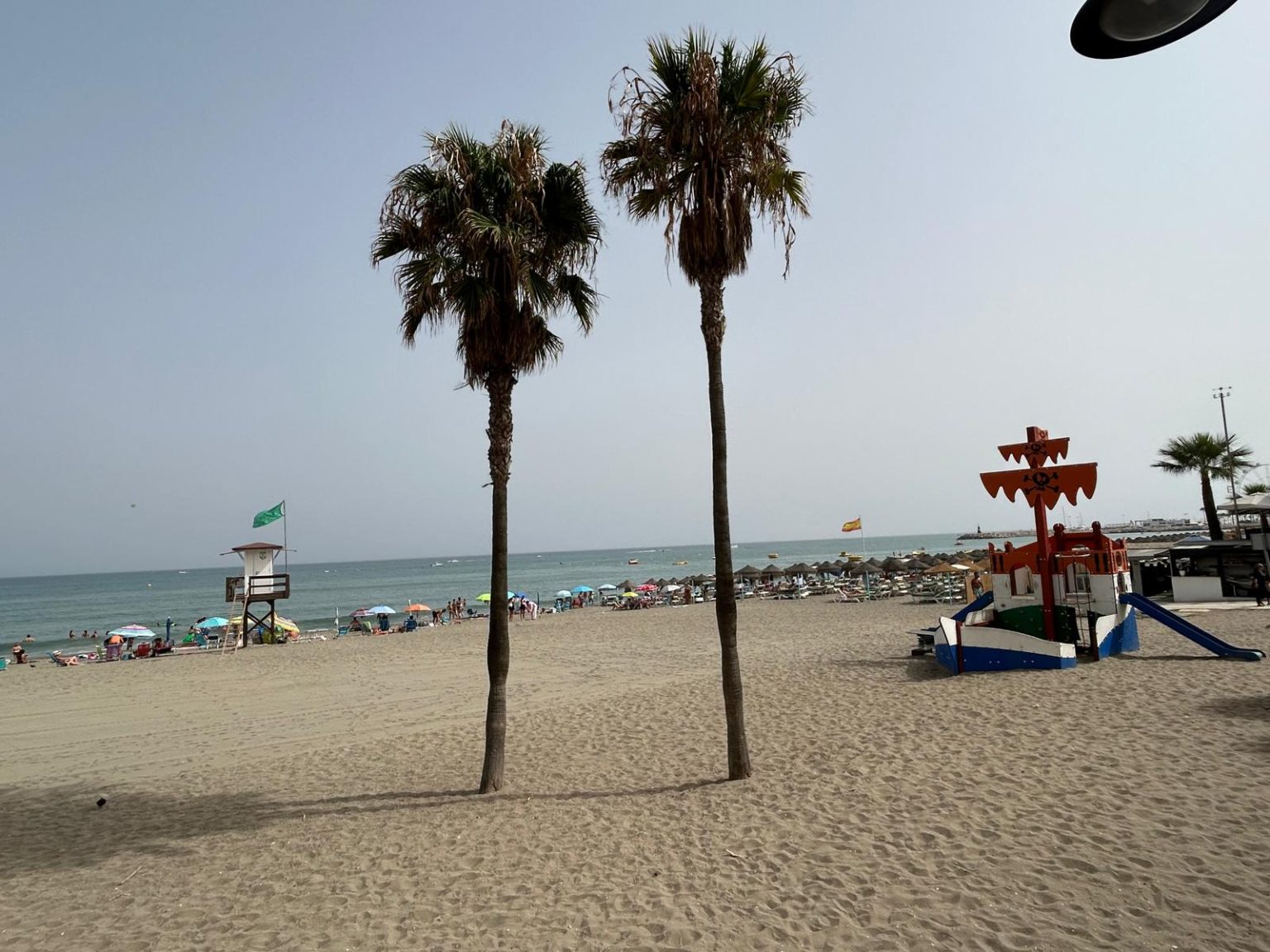

A once-common beach pastime has effectively been outlawed across Andalucia – and ignoring the rules could now land you with fines of up to €250,000.
The use of metal detectors on beaches is banned under the region’s Historic Heritage Law, in a crackdown aimed at protecting buried archaeological remains.
For years, it was a familiar scene along the coast to see early risers sweeping the sand with metal detectors in search of lost coins, jewellery or relics.
Now, that image is supposed to be a thing of the past.
The Junta de Andalucia has imposed a blanket restriction on metal detector use in public spaces such as beaches and sandbanks, with only limited exceptions for authorised archaeological work, security operations or infrastructure maintenance.
Why it’s banned
Authorities say the devices pose a serious risk to Andalucia’s historical heritage.
Even casual use can disturb or remove objects of archaeological value – often without the user even realising it.
Officials warn that metal detecting remains one of the biggest threats to conservation, second only to deliberate looting.
Heavy fines for breaking the rules
Using a metal detector without permission can result in fines starting from around €650.
But if the activity damages or interferes with an archaeological site, the consequences escalate sharply – with sanctions ranging from €100,000 to €250,000.
No reward for discoveries
Anyone who finds an object must report it immediately to the authorities.
There is no right to compensation, and any item with historical significance automatically becomes property of the State, to be managed by museums or cultural bodies.
With enforcement tightening and fines reaching six figures, what was once seen as a harmless hobby is now a serious legal risk.
Read more Andalucia news at the Spanish Eye.