
Malaga’s Low Emission Zone (ZBE) has been accused of ‘prioritising punishment’ after issuing an average of 189 fines per day in its first two months of enforcement.
The ZBE’s cameras flagged 11,712 vehicles entering restricted areas illegally, with each fine carrying a €200 penalty, reduced to €100 if paid early.
The figures, compiled by local police and revealed in a municipal document, show 6,213 fines issued in December and almost 5,500 in January.
If all penalties are paid without the early discount, the City Council could collect over €2.3 million.
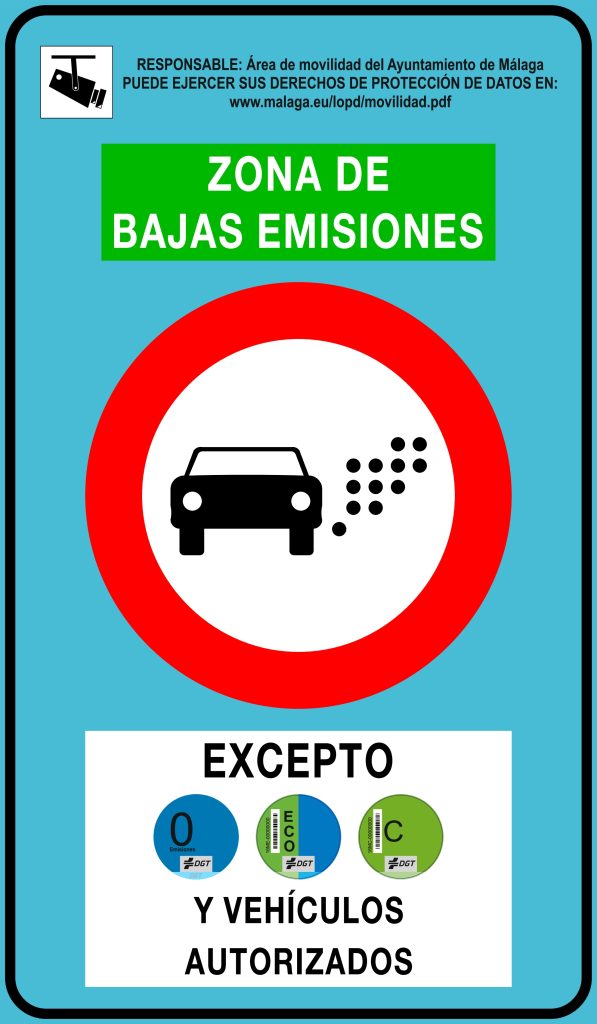
The system, managed by Gestrisam, relies on cameras scanning number plates across a 437-hectare zone covering the city centre, Soho, parts of La Trinidad, Gibralfaro and El Ejido.
Who is being fined?
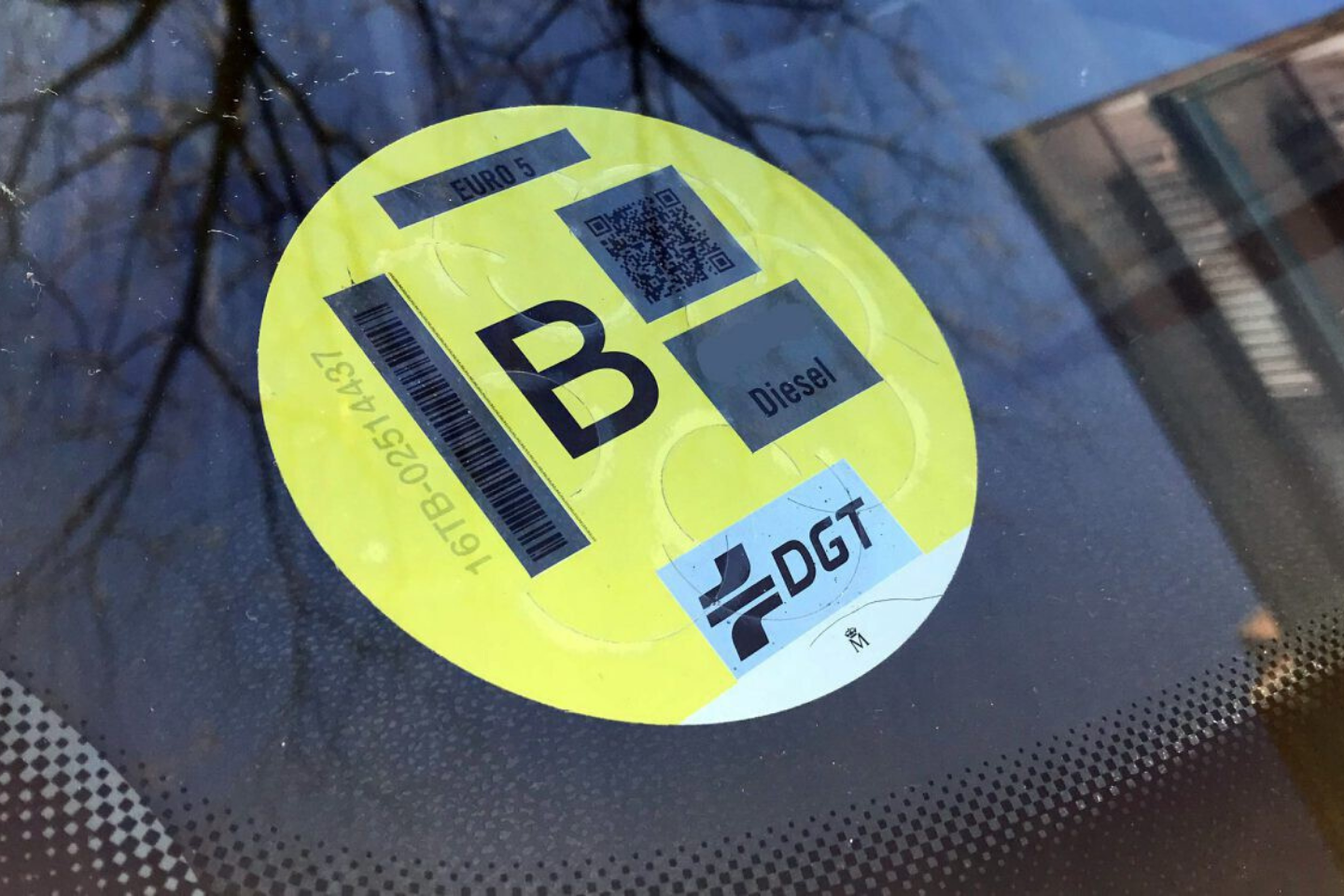
Currently, vehicles without an environmental label are banned unless they were registered in Malaga city before November 30, 2024
Meanwhile, foreign vehicles are not currently detected by the system.
The most affected vehicles are petrol cars registered before 2000, and diesel vehicles registered before 2006.
From December 2026, restrictions will tighten further, extending fines to ‘B’ label vehicles from outside Malaga.
Criticism: ‘Fines before solutions’
The rollout has sparked political backlash.
Toni Morillas, deputy spokesperson for the Con Malaga party, claims the city has prioritised punishment over infrastructure.
She argues the figures ‘prove the sanctioning system was introduced before necessary sustainable mobility measures were in place.’
She has called for a moratorium on fines, better public transport links and the removal of the El Ejido university campus from the low emission zone.
‘There are students and workers facing serious access problems with no real alternative to the car,’ she said.
Legal and political battle brewing
The ZBE is not optional as it stems from EU rules requiring all cities over 50,000 residents to implement low-emission zones.
But its legality in Malaga is now under scrutiny.
Vox has taken the scheme to court, arguing the regulation lacks sufficient justification and supporting reports. A judge will ultimately decide its future.
Read more Andalucia news at the Spanish Eye.