
Opening a cafe in Spain may sound like the perfect Mediterranean dream. A sunny terrace, good coffee and the satisfaction of being your own boss.
But behind the espresso machine, the figures can tell a different story.
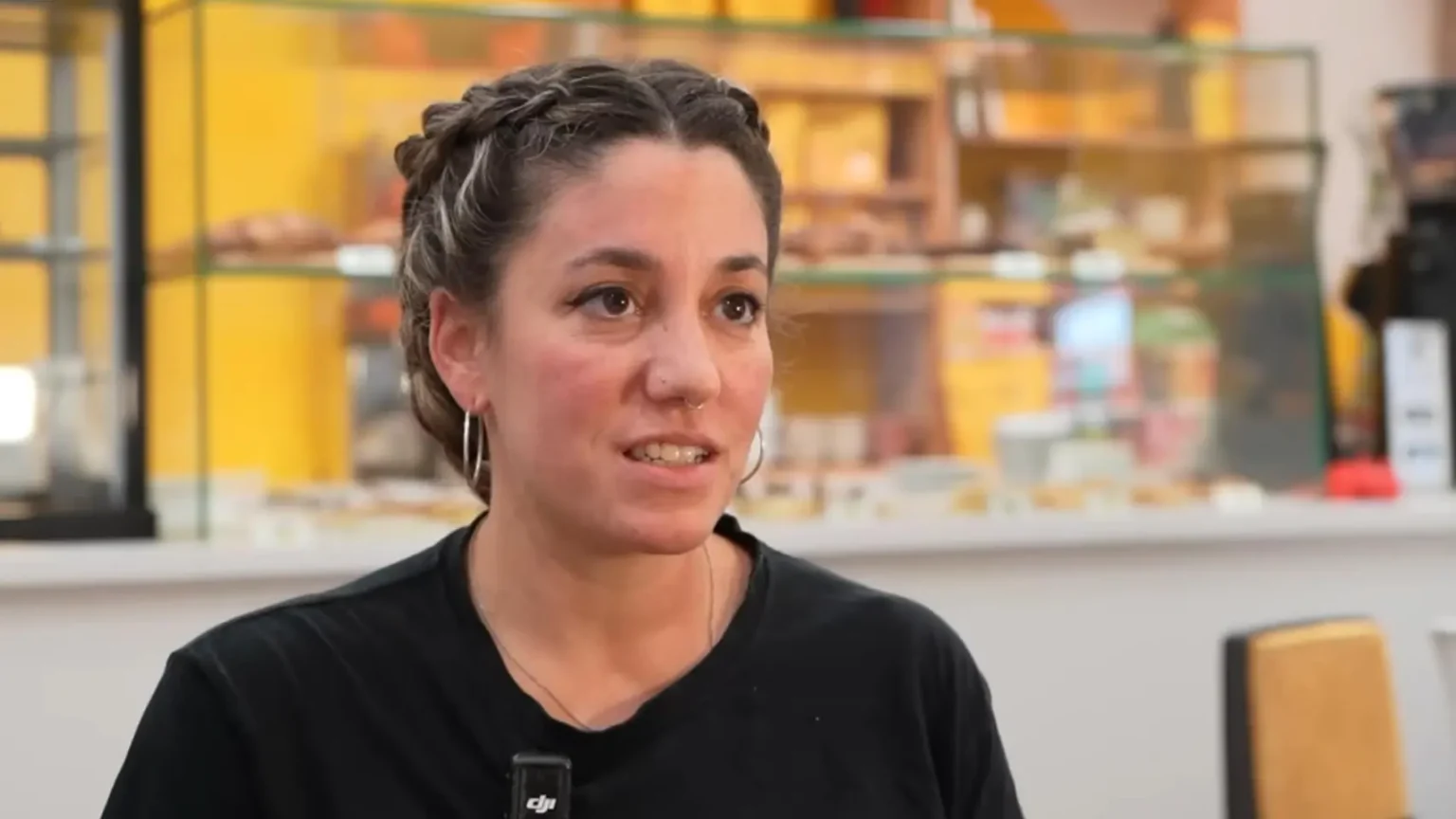
Just ask Lorena, owner of Bristol Coffee, the first specialty cafe in Viladecans (Catalonia).
After a year and a half in business, she’s built a loyal customer base, paid off her bank loan, and even made a name for herself on social media.
Yet at the end of each month, her net profit rarely exceeds 8-9%. ‘It’s a good life, but not an easy one,’ she told the Eric Ponce podcast and YouTube channel.
Lorena opened Bristol Coffee after nearly 10 years working in the hospitality trade. She fell in love with specialty coffee while living in Bristol, UK, and decided to bring the same cafe culture back home to Spain.
Her initial investment totalled €105,000, covering the lease, equipment, and licences. Even with a transfer deal to avoid a full renovation, hidden costs soon appeared – including the discovery that her business licence was for a bakery, not a cafe.
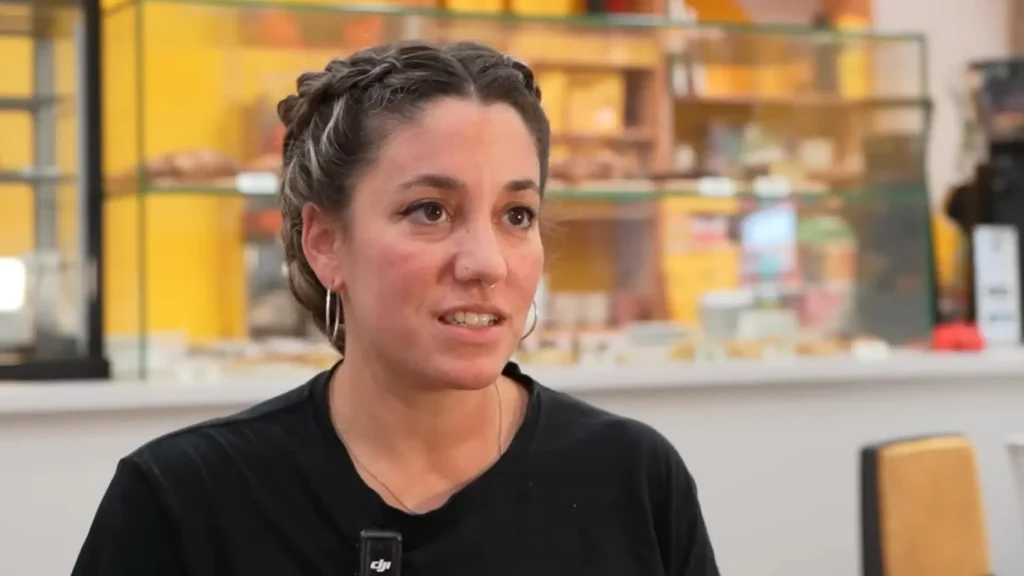
After extra payments and months of paperwork, she finally opened her doors. The cafe now takes in an average of €11,500–€12,000 a month, but fixed and variable costs eat away most of it.
Rent, salaries and social security contributions total around €7,500, while supplies such as coffee, milk, drinks and ingredients add another €2,000–2,500.
On paper, the cafe’s monthly expenses can reach €10,000 – leaving only a few hundred euros of true profit after tax.
Her daily break-even point is €470, the amount she must sell each day just to cover costs.
Spain’s small hospitality sector is notoriously tough. Despite long opening hours, margins remain thin.
Lorena explains that coffee is actually one of the least profitable product.
‘Each shot costs about 55 cents, and I sell it for €1.80,’ she said. After milk, cups, labour and tax, the margin is minimal.

It’s the pastries and biscuits that keep her business viable. Homemade cookies earn about 40% profit, croissants up to 55% – but volumes are unpredictable.
‘In winter, I might sell 70 cookies a day. In summer, barely 20,’ she notes.
Even with careful cost control, the business depends heavily on footfall and social media visibility.
A single viral TikTok video at the cafe’s opening brought queues down the street, but consistency, not virality, pays the bills.
Despite the modest profits, Lorena still works six days a week, from 7am until 8:30pm, supported by two employees.
She manages every aspect: baking, sourcing beans, paying suppliers, and posting online when she can.
She’s proud that she has already repaid her bank loan, but her personal savings remain tied up in the business.
‘If everything continues as it is, I’ll have recovered my full investment in about three years,’ she said.
She added: ‘People think you open a cafe and start making money right away. But every croissant, every cappuccino – it all adds up slowly.
‘There’s beauty in it, but there’s very little left at the end of the month.’