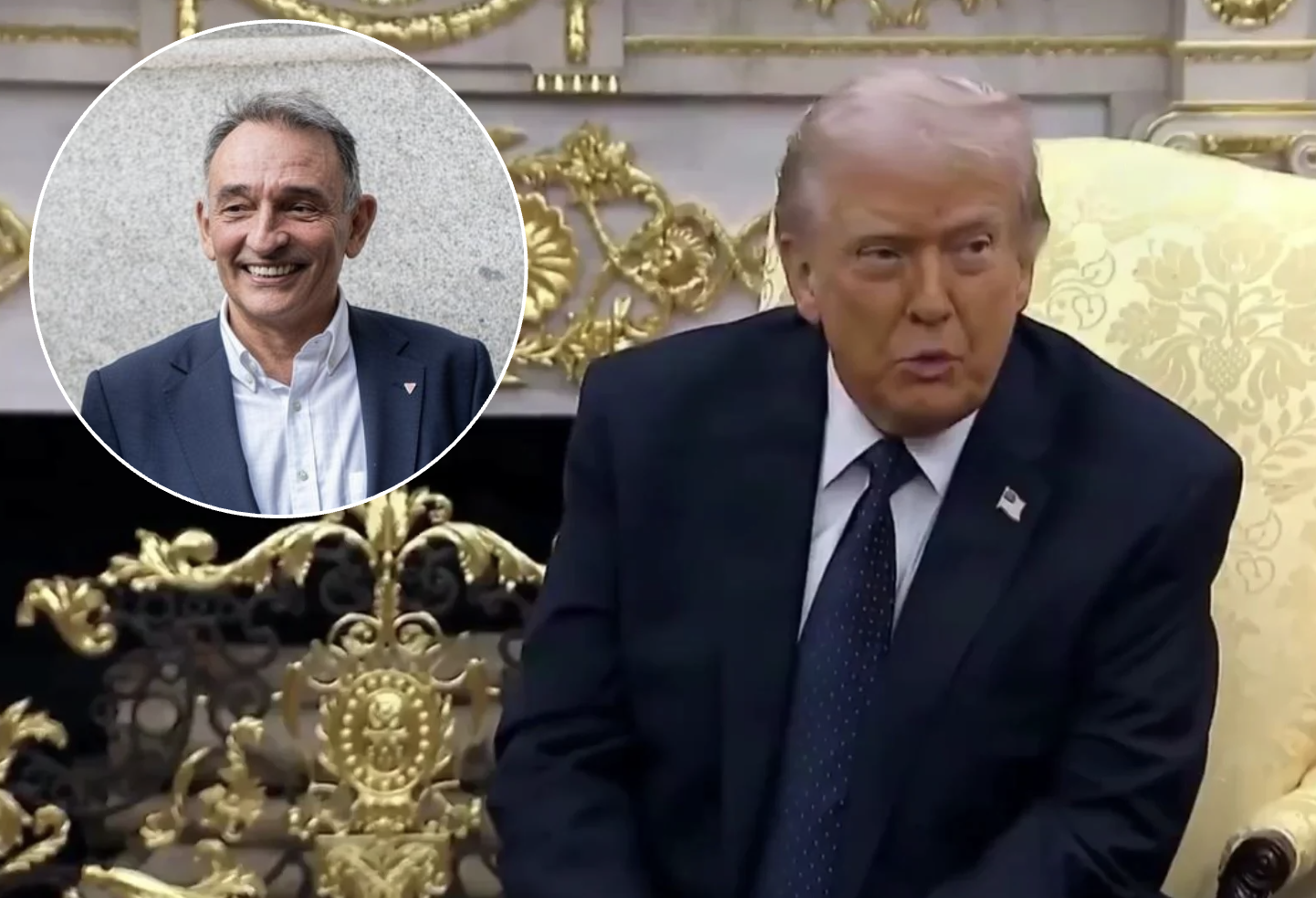

A Spanish MP has suggested Donald Trump’s administration is helping the Zapatero corruption probe due to a vested interest in hurting Pedro Sanchez’s government.
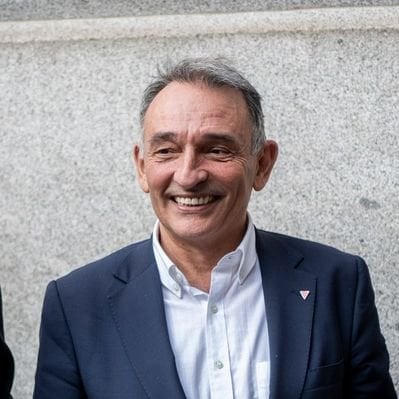
Enrique Santiago told reporters on Thursday that the US may have political motives for collaborating in the investigation into former Spanish prime minister Jose Luis Rodriguez Zapatero.
The Izquierda Unida (United Left) spokesperson said he had ‘no doubt’ the US ‘could have some kind of political interest’ in providing information to Spanish investigators, claiming it was ‘probably aimed at causing a crisis in the Spanish government.’
Speaking during an interview on Spanish state broadcaster TVE, Santiago questioned the role played by the US Homeland Security Investigations (HSI) agency in the ongoing Plus Ultra case.
‘It is not very normal for a US security agency to provide recordings when we do not know where they were obtained,’ he said, referring to phone conversations allegedly handed to Spain’s anti-corruption police unit UDEF by US authorities.
Santiago also questioned whether the recordings had been obtained ‘with or without judicial authorisation’ either in Spain or in third countries.
He framed the US cooperation as part of what he described as a broader pattern of American political interference abroad, referencing Venezuela and Cuba.
‘Mr Trump does not appear to have much affection for the Spanish government,’ he added.
The comments come after US Homeland Security confirmed it assisted Spanish authorities in the investigation that led to the High Court probe into Zapatero over alleged influence peddling and money laundering linked to the airline Plus Ultra.
Zapatero has denied wrongdoing.
Despite criticising aspects of the case, Santiago said the investigation was ‘deeply concerning’ because Zapatero is ‘a person with great prestige on the left’.
However, he stressed that the judicial order published by investigating judge Jose Luis Calama did not point to ‘any responsibility of the current government’.
Santiago argued that while some alleged offences mentioned in the ruling appeared to contain ‘clear indications’, accusations relating to embezzlement and money laundering were ‘far less clear’.
He also used the controversy to call for tighter regulation of former prime ministers’ business activities and lobbying work, warning that ‘charging money for political influence is a crime’.