
Public health authorities in Andalucia have issued an official alert for West Nile virus (WNV) in Malaga city.
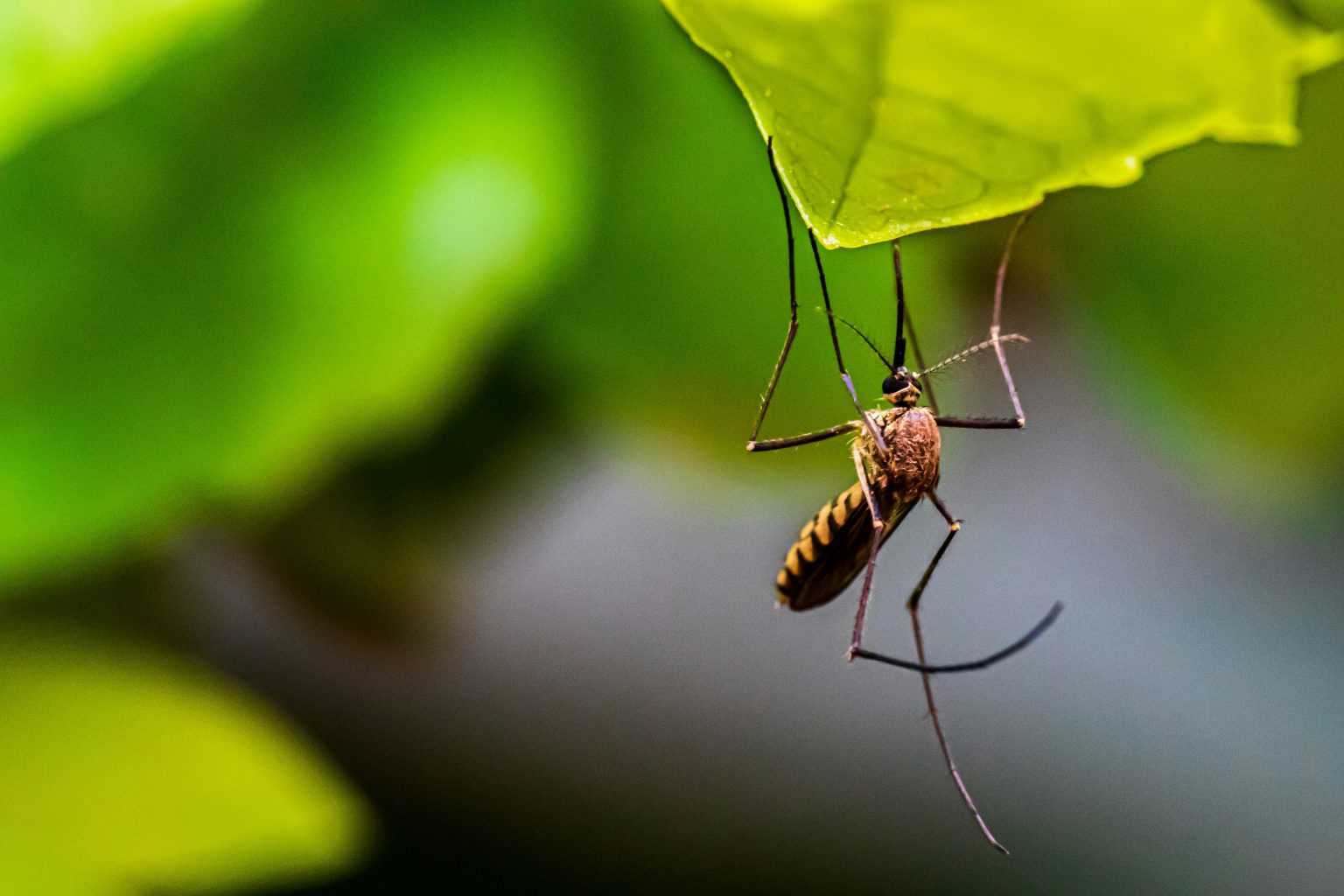
Specifically, the alert targets the Tarajal neighbourhood following the detection of WNV in Culex mosquitoes caught near the residential area.
The same alert level has also been declared in Tahivilla, a district of Tarifa in Cadiz, and in the Sevilla municipality of La Luisiana.
The alert was triggered after lab analysis confirmed the presence of the virus in mosquito samples collected from traps placed in these locations.
The lab responsible for mosquito species identification, density tracking, and virus testing submitted the findings to the Andalucian Health and Consumer Affairs Department, which then made the declaration.
Following an epidemiological assessment – taking into account proximity to populated areas and environmental conditions – the Health Department applied the protocol outlined in Andalucia’s West Nile Virus Surveillance and Vector Control Programme.
As a result, the affected zones will remain under alert for a minimum of four weeks, or until no further virus activity is detected in mosquitoes, birds, or horses.
The alert is set to remain in place until at least November 5, unless earlier clearance is confirmed.
Local councils and provincial authorities in Malaga, Cadiz, and Sevilla have been formally notified of the situation.
During the alert period, health authorities will ramp up monitoring efforts in three key areas:
- Mosquito surveillance (entomological)
- Animal surveillance, particularly of horses and birds
- Human health monitoring
Public awareness campaigns will also be stepped up. Schools, care homes, pharmacies, and community health workers will help inform residents about the virus and promote protective measures, such as using insect repellent and minimising standing water.
In a related development, a case of West Nile fever has also been detected in Antequera (Malaga), after a horse tested positive. The horse was stabled more than 1.5 km from residential areas, so while the virus is confirmed to be circulating, the risk level in that specific area remains high but contained.
The West Nile virus is primarily spread through mosquito bites and can, in rare cases, cause severe illness in humans and animals.
Enhanced monitoring and prevention efforts are now in effect across the affected municipalities.
Read more Andalucia news at the Spanish Eye.