
Thousands of hunting dogs are still being abandoned across Spain every year, with some being thrown from cliffs, dumped in reservoirs or left to die in remote countryside, according to the country’s leading animal rights party.
In an exclusive interview with the Spanish Eye, PACMA warned that despite growing awareness of animal welfare issues, a ‘culture of impunity’ continues to surround the abuse of hunting dogs such as galgos and podencos.
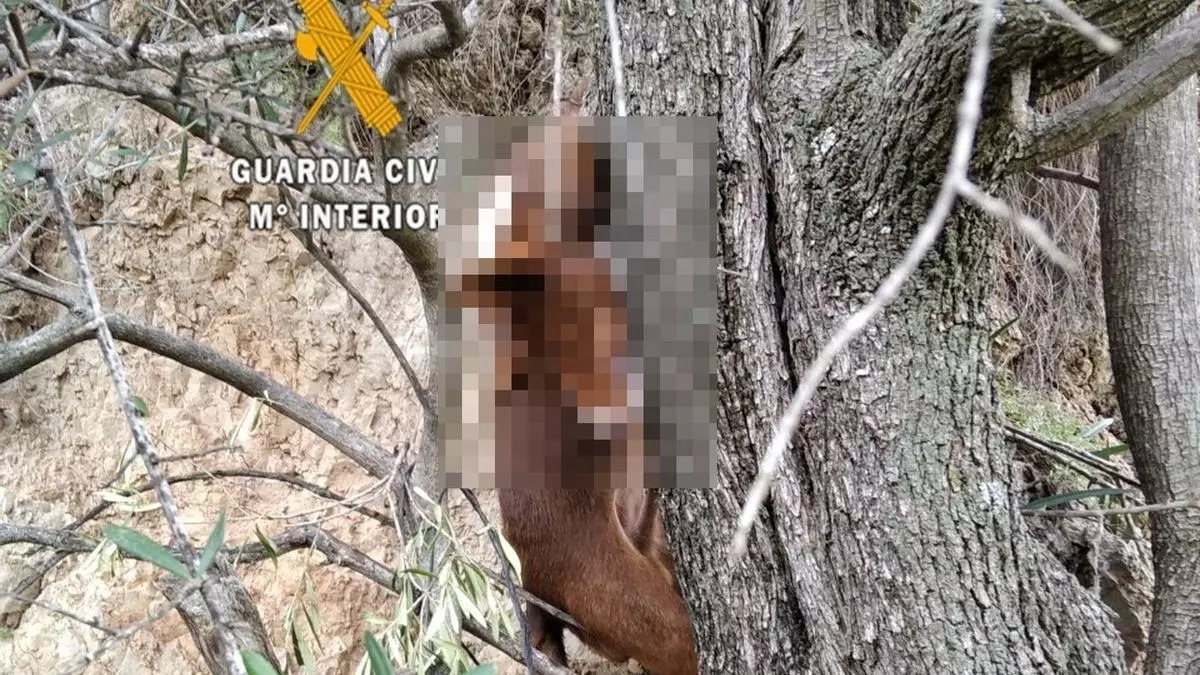
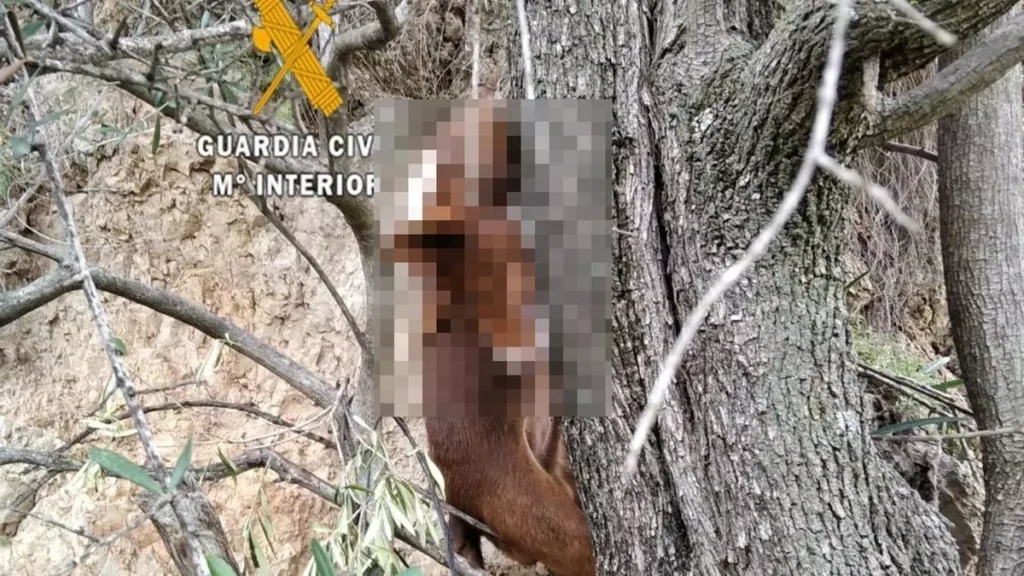
The party’s comments come after two hunters in Malaga province were recently convicted over the death of a podenco known as ‘Acollarado’, which was hanged and thrown down a ravine.
While PACMA says hangings appear less common than in previous decades, the group believes many cases continue to go undetected.
‘When these dogs are found dead, it is often very difficult to determine whether they were deliberately killed or died in an accident during a hunt,’ a PACMA spokesperson told the Spanish Eye.
‘For a hunter, it can be relatively easy to get rid of an animal they no longer want without attracting attention.
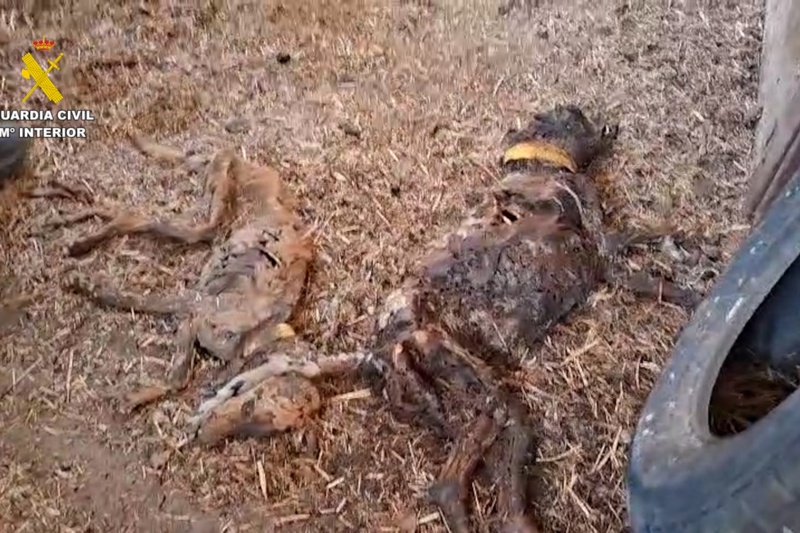
‘They can abandon it in an inaccessible area, throw it from a cliff, or dump it in a reservoir, river or pond.
‘If they are caught, they can simply claim it was an accident.’
PACMA says the problem extends beyond the most shocking cases that make headlines.
The organisation estimates that around 12,000 hunting dogs are abandoned in Spain each year, although it stresses that the true figure is likely to be significantly higher.
‘We carried out our own study a few years ago which suggested around 12,000 hunting dogs are abandoned annually,’ the spokesperson said.
‘But the real number is incalculable because many shelters were unable to contribute data, including some that take in large numbers of these animals.’
According to PACMA’s research, Andalucia recorded the highest number of abandoned hunting dogs in Spain, with 5,542 cases documented in a single year.
The group says hunters often dispose of dogs because they are no longer considered useful.
‘They may identify what they see as physical or psychological defects, behavioural problems, or even act out of revenge against other hunters,’ the spokesperson said.
‘In short, these dogs become surplus to requirements.’
PACMA is particularly critical of Spain’s current animal welfare legislation, arguing that hunting dogs were effectively excluded from protections afforded to other pets under the national Animal Welfare Law.
‘The situation has actually worsened,’ the spokesperson claimed.
‘The exclusion of hunting dogs and working dogs from the state law has guaranteed privileges for those who exploit them.
‘These people do not have to assume the same responsibilities as ordinary pet owners. If they did, many of these activities would not be possible.’
The party also dismissed suggestions that current penalties are enough to deter offenders.
‘Absolutely not,’ the spokesperson said when asked whether existing punishments act as a deterrent.
‘People rarely go to prison for crimes against animals, no matter how serious the abuse. Even when large fines are imposed, many offenders simply declare themselves insolvent and never pay.’
PACMA is calling for hunting dogs to be brought fully under Spain’s national animal protection framework as a first step towards improving welfare standards.
‘At the very least, they should enjoy the same legal protection as every other dog in Spain,’ the spokesperson said.
The organisation’s long-term position remains the abolition of hunting with dogs altogether, but it insists immediate reforms are needed to tackle abandonment, neglect and abuse.
Asked whether a culture of impunity still exists around crimes involving hunting dogs, PACMA’s response was unequivocal: ‘Absolutely.’
The group added that reports and pleas for help relating to hunting dog abuse remain ‘very frequent’, suggesting that despite growing public scrutiny, the problem remains deeply entrenched in parts of rural Spain.