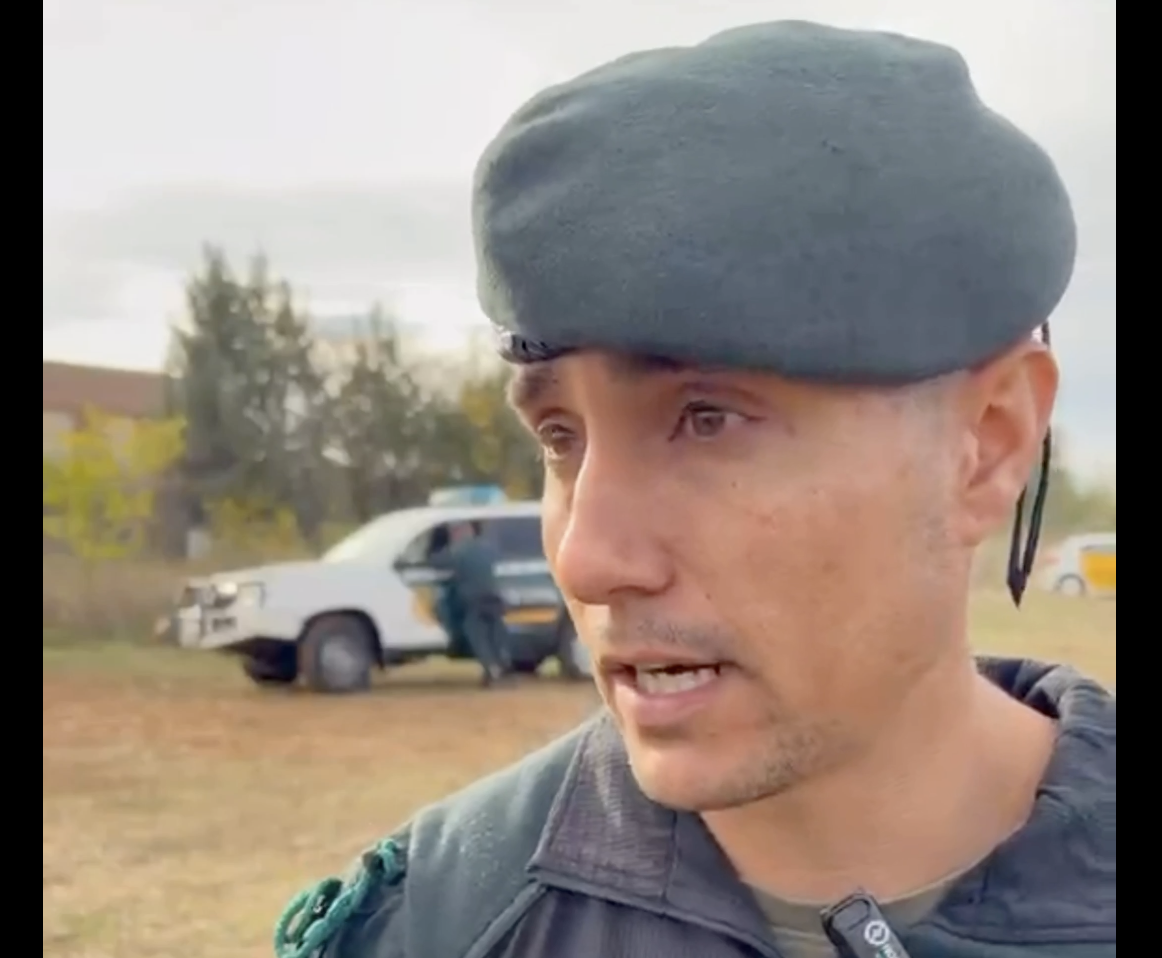

Guardia Civil officers responding to the Toledo rail disaster are receiving psychological support as they deal with the traumatic scenes and the deaths of colleagues.
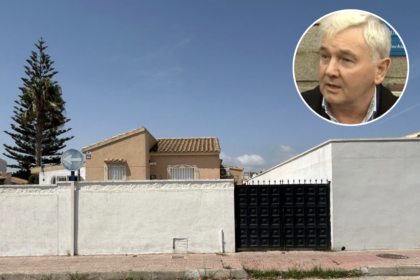
Commander Andres Lopez, a psychologist for the force, said even highly experienced officers could struggle with the emotional impact of the operation.
Several hundred agents have worked on the emergency response since the collision near Urda on Wednesday morning, some completing double shifts.
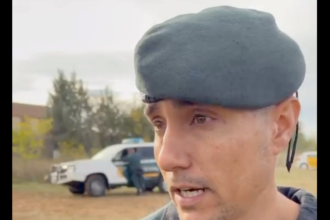
Lopez said the first officers at the scene faced a severe shock as they encountered people who had been killed or injured. Psychologists from the Military Emergency Unit (UME) provided support on site.
The Guardia Civil is now monitoring those involved to identify anyone who needs help, including officers who initially appear to be coping well.
Support is available on request, but psychologists are also approaching colleagues directly to ensure they know assistance is there.
‘We have to make contact, introduce ourselves and offer support,’ Lopez said.
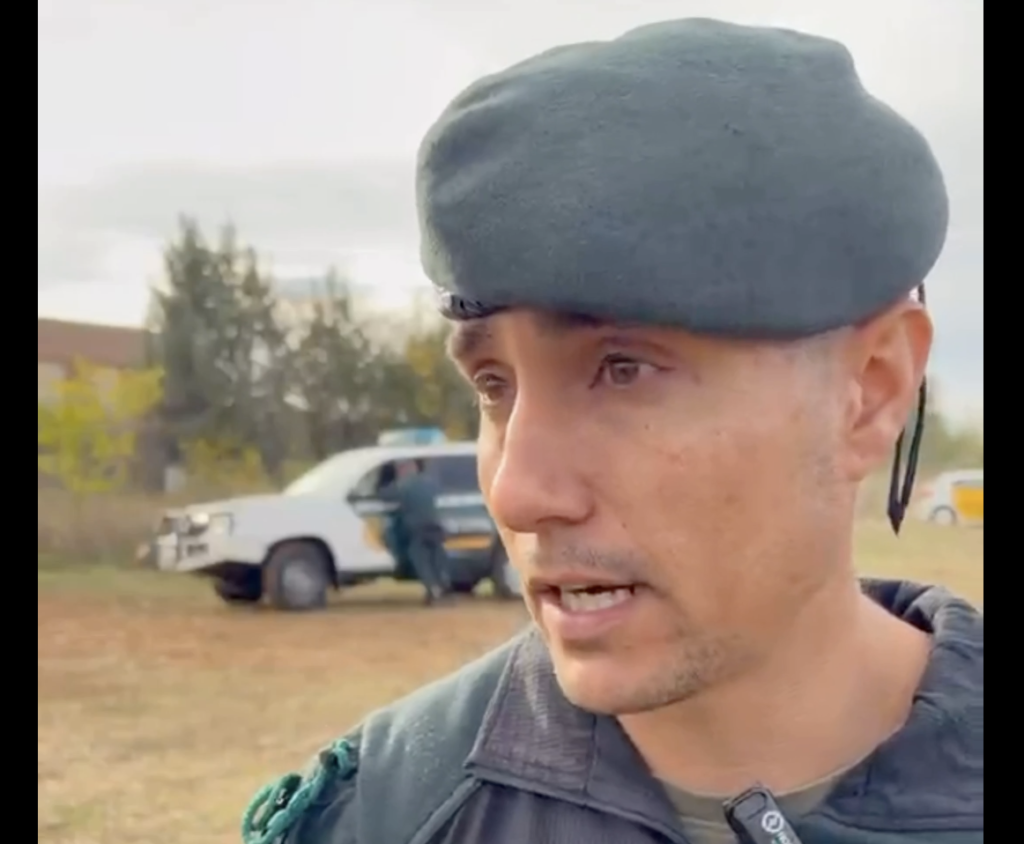
He said the aim is to help officers understand that strong emotional reactions can be normal after an emergency of this scale, while reducing the risk of longer-term difficulties.
Psychological assistance has also extended to relatives waiting for news of missing loved ones.
Lopez acknowledged that some identifications had taken longer than families hoped, but stressed that investigators were working as quickly as possible while ensuring their findings were reliable.
He said all Spanish victims had been identified, with confirmation still pending for some foreign nationals.
He could not give a firm timetable for completing those remaining identifications, explaining that cases involving foreign victims could take longer.