
Ancient gateways, Roman tombs and sweeping countryside views make this Sevilla gem one of Andalucia’s most rewarding destinations, and October could be the ideal time to explore it.
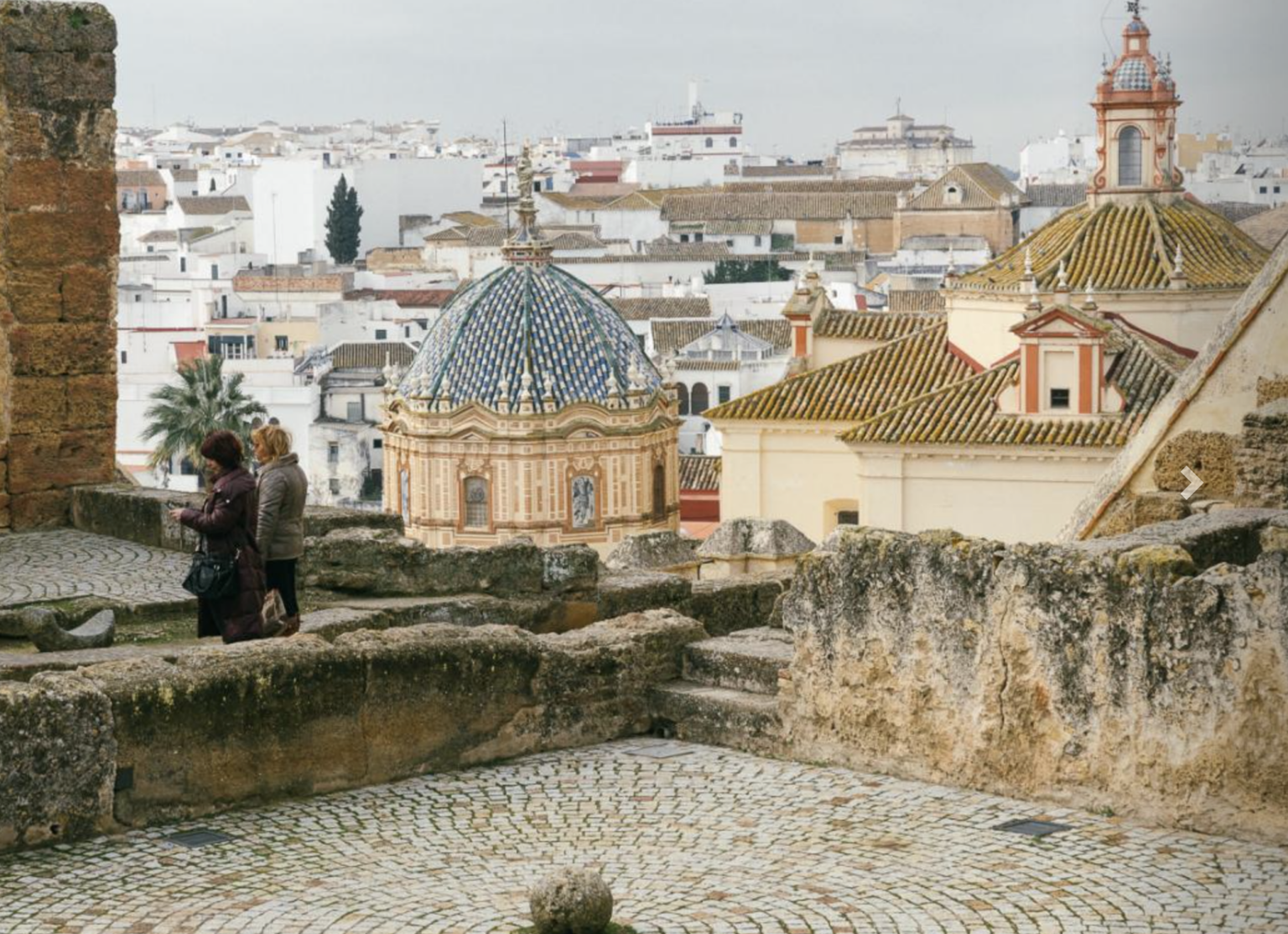
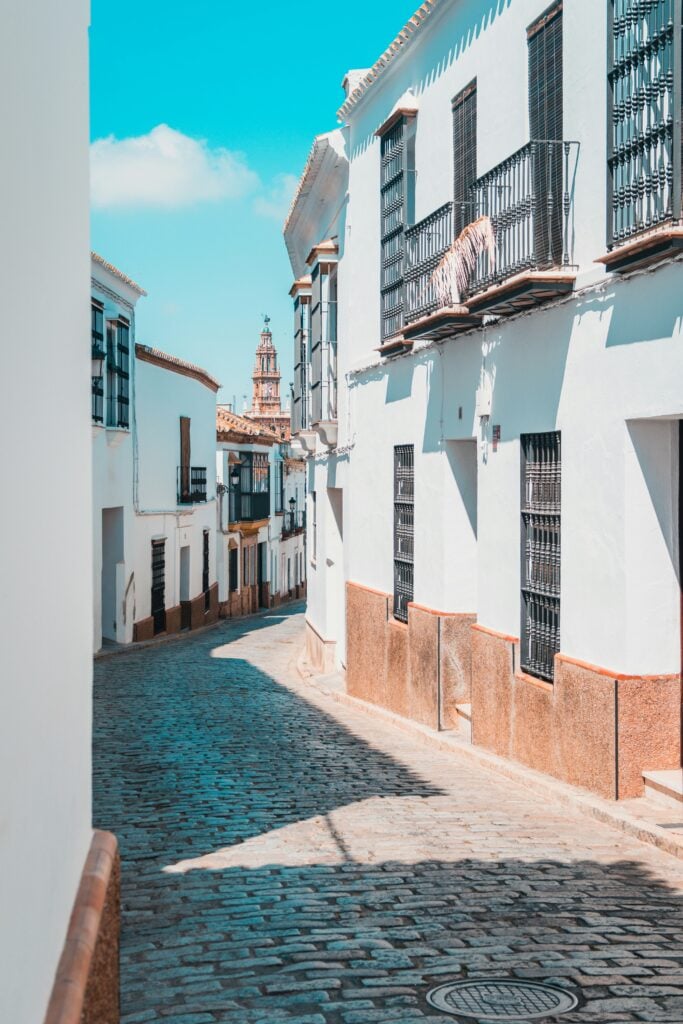
Its narrow streets are lined with whitewashed houses, stately mansions and churches, while centuries-old gateways frame views across the surrounding green plains of the Vega del Corbones.
And unlike during the fierce heat of summer, October brings temperatures that make exploring the historic centre on foot considerably more comfortable.
Average daytime highs are around 26C, falling to approximately 14C overnight.
Located just 30km from Sevilla capital, Carmona can be reached by car in around half an hour.
More than 2,000 years of history
Carmona’s strategic position has attracted civilisations for thousands of years, leaving behind an extraordinary mixture of Carthaginian, Roman, Moorish and Christian architecture.
A visit should begin at the imposing Puerta de Sevilla, one of the town’s most recognisable monuments.
Its origins date back to the ninth century BC, although the structure was later strengthened by the Carthaginians and altered again under Roman rule.
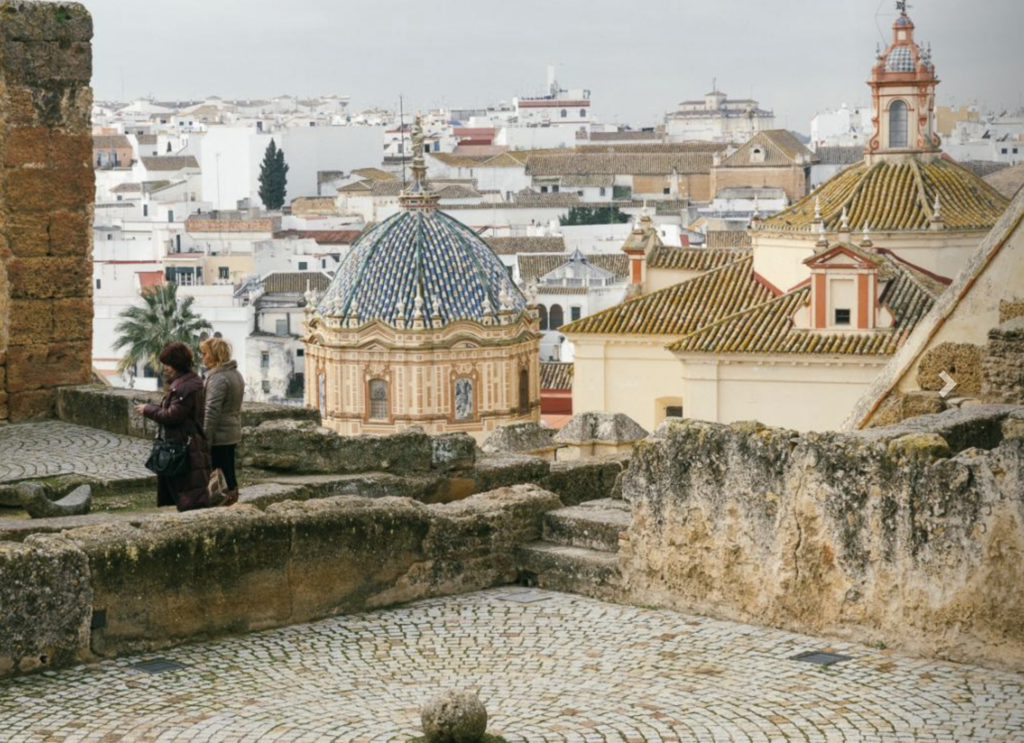
Visitors can climb to the upper sections of the adjoining Alcazar for panoramic views over Carmona’s rooftops and surrounding farmland.
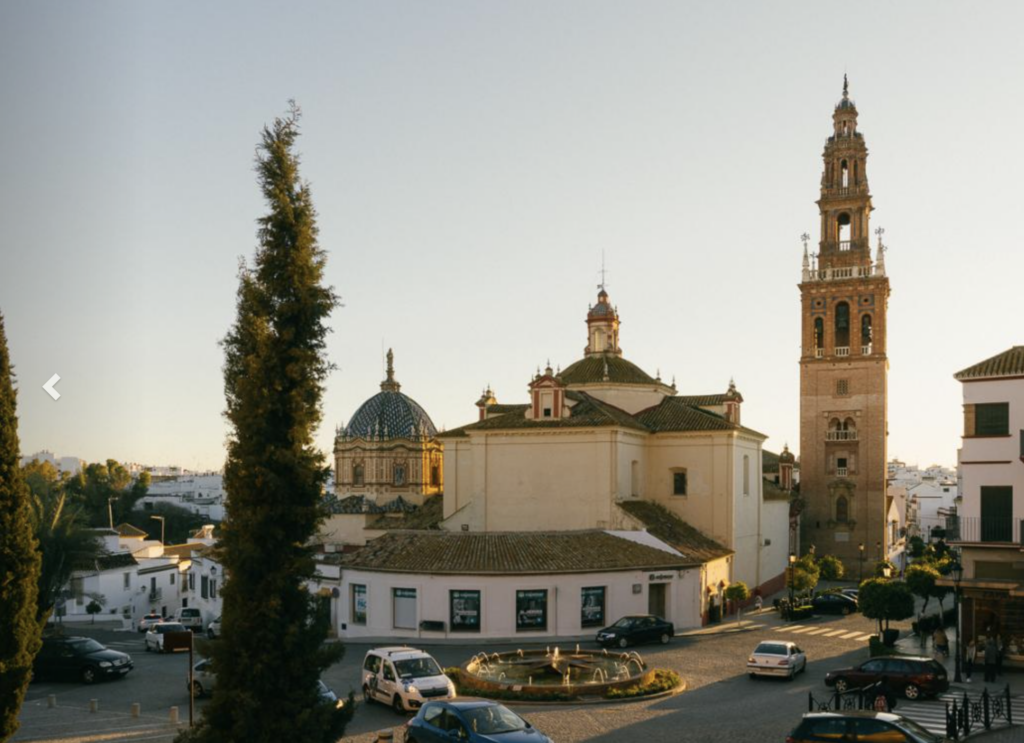
From there, the old town unfolds through a maze of cobbled lanes leading towards Plaza de San Fernando, its main square.
The route passes Mudejar houses, Renaissance palaces and elaborate Baroque churches, with hidden courtyards appearing behind otherwise modest façades.
Other essential stops include the Church of Santa Maria, the City Museum and the Convent of Santa Clara, where Franciscan nuns continue a centuries-old tradition of producing handmade cakes and pastries.
At the eastern edge of the old town stands the Puerta de Cordoba, which once formed part of the Roman road running through Carmona.
The former Roman street connected the Puerta de Cordoba with the Puerta de Sevilla, following the route of the Via Augusta that once stretched through Hispania towards Cadiz.
Explore the Roman city of the dead
Carmona is also home to one of Spain’s most important Roman burial sites.
The Roman Necropolis, situated outside the historic walls, contains tombs carved directly into the rock. Among the most impressive are the Tomb of the Elephant and the Tomb of Servilia, a vast funerary complex built around a colonnaded courtyard.
The accompanying museum became Spain’s first on-site archaeological museum, while the remains of a Roman amphitheatre can also be seen nearby.
October is an especially fitting time to discover this side of Carmona.
The town holds its annual Octubre Romano programme throughout the month, celebrating its ancient past with guided visits, talks, workshops and historical activities.
The 2026 programme includes events examining the Puerta de Sevilla during the Second Punic War, Roman mosaics, funerary traditions and the ancient water mines beneath the town.
A Parador with spectacular views
At Carmona’s highest point stands the Alcazar del Rey Don Pedro, a former Moorish fortress that now houses the town’s Parador.
Its terraces overlook the plains below, making it one of the best places in Carmona for a leisurely drink as the late-afternoon light turns the surrounding countryside gold.
Travellers looking to make a weekend of the visit can stay inside the historic complex, although Carmona also has smaller hotels, guesthouses and rural properties.
Even those not staying overnight can visit the Parador’s public areas or eat at its restaurant.
What to eat in Carmona
The town’s traditional cuisine draws heavily on produce grown across the fertile countryside surrounding it.
Local dishes include alboronia – a vegetable stew usually made with aubergine, pumpkin, tomato and peppers – as well as spinach, migas, wild asparagus with egg, chickpea stews and potatoes with cod and saffron.
For dessert, look out for the torta inglesa, a cake considered unique to Carmona.
According to local tradition, its name is linked to British-French archaeologist George Bonsor, who helped excavate the Roman Necropolis and reportedly requested the cake for breakfast. It can still be purchased from local bakeries and from the nuns at the Convent of Santa Clara.