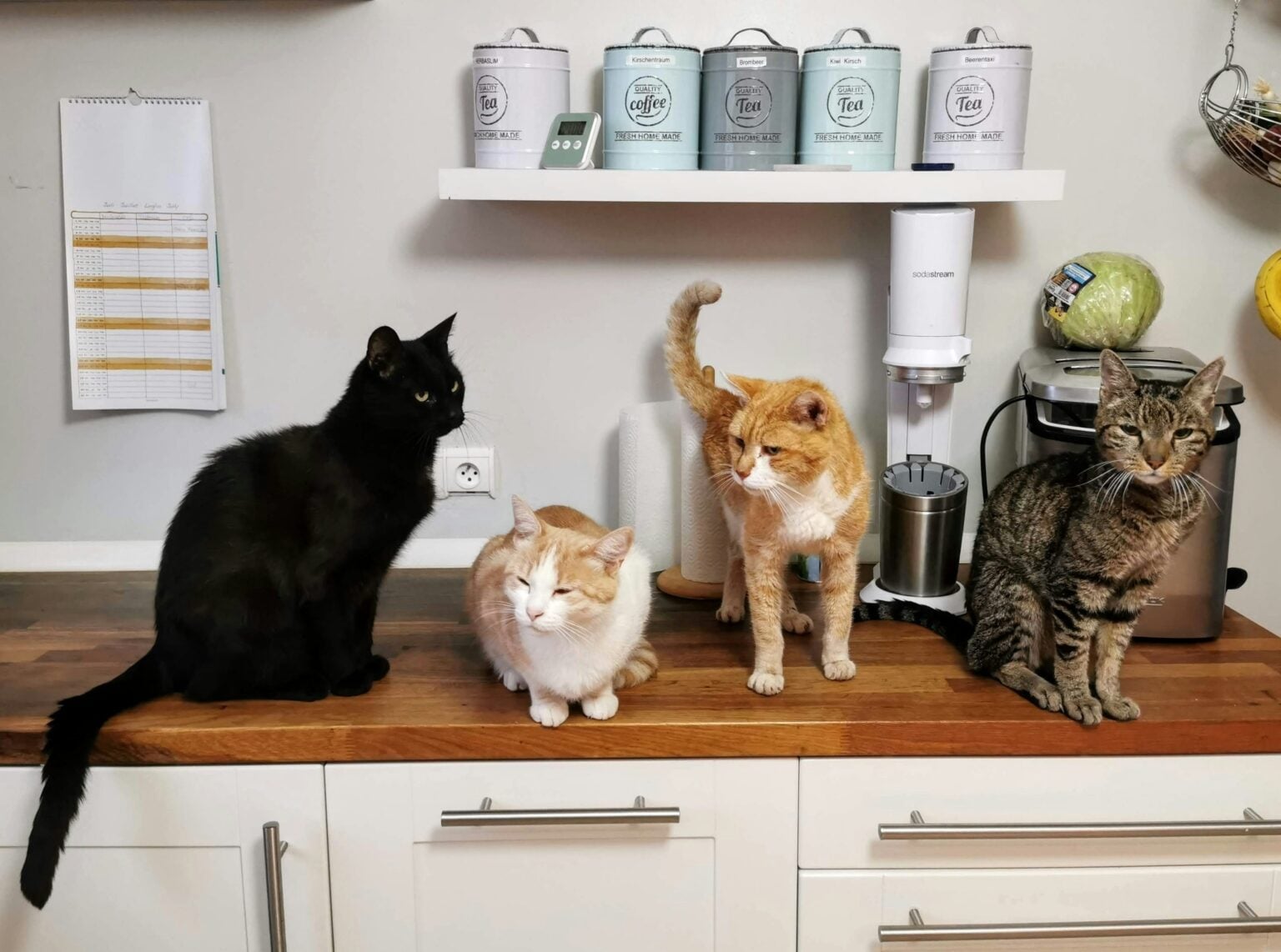

Eight in 10 pet cats in Andalucia were rescued from the streets or adopted through an animal shelter, according to a new study.
Some 43% of cat owners said they had taken in an animal found living outside, while another 35% acquired their pet through a shelter or rescue organisation.
The findings indicate that 78% of cats living in Andalucian homes arrived after experiencing abandonment or another vulnerable situation.
They form part of Sanicat’s third Feline Barometer, which examines public attitudes towards cat abandonment and animal protection in Spain.
The study was commissioned by the cat-litter manufacturer, which is a market leader in Europe.
Animal abandonment was identified as the principal feline welfare problem by 72% of cat owners in Andalucia.
The overpopulation of street cats concerned 57% of respondents, while 54% identified animal abuse as a major issue.
Living with a cat also appears to change people’s wider attitudes towards animal welfare.
Some 55% of Andalucian owners said their pet had made them more sensitive to the emotions and needs of animals.
A further 37% reported developing a greater sense of responsibility towards all living beings.
Separate research by Spain’s Ministry of Social Rights, Consumer Affairs and 2030 Agenda found that 95% of cats entering animal shelters did not have a microchip.
The lack of identification makes it considerably harder to reunite lost animals with their owners or determine whether a cat was deliberately abandoned.
Many unwanted cats never reach a shelter.
Some join urban feline colonies and survive in difficult conditions, while others die before they can be found or rescued.
Animal charities face particular pressure during holiday periods, when thousands of dogs and cats are reportedly left behind and shelters become increasingly overcrowded.
Welfare organisations continue to urge owners to microchip and sterilise their cats, while considering the long-term financial and practical responsibilities before bringing an animal into their home.