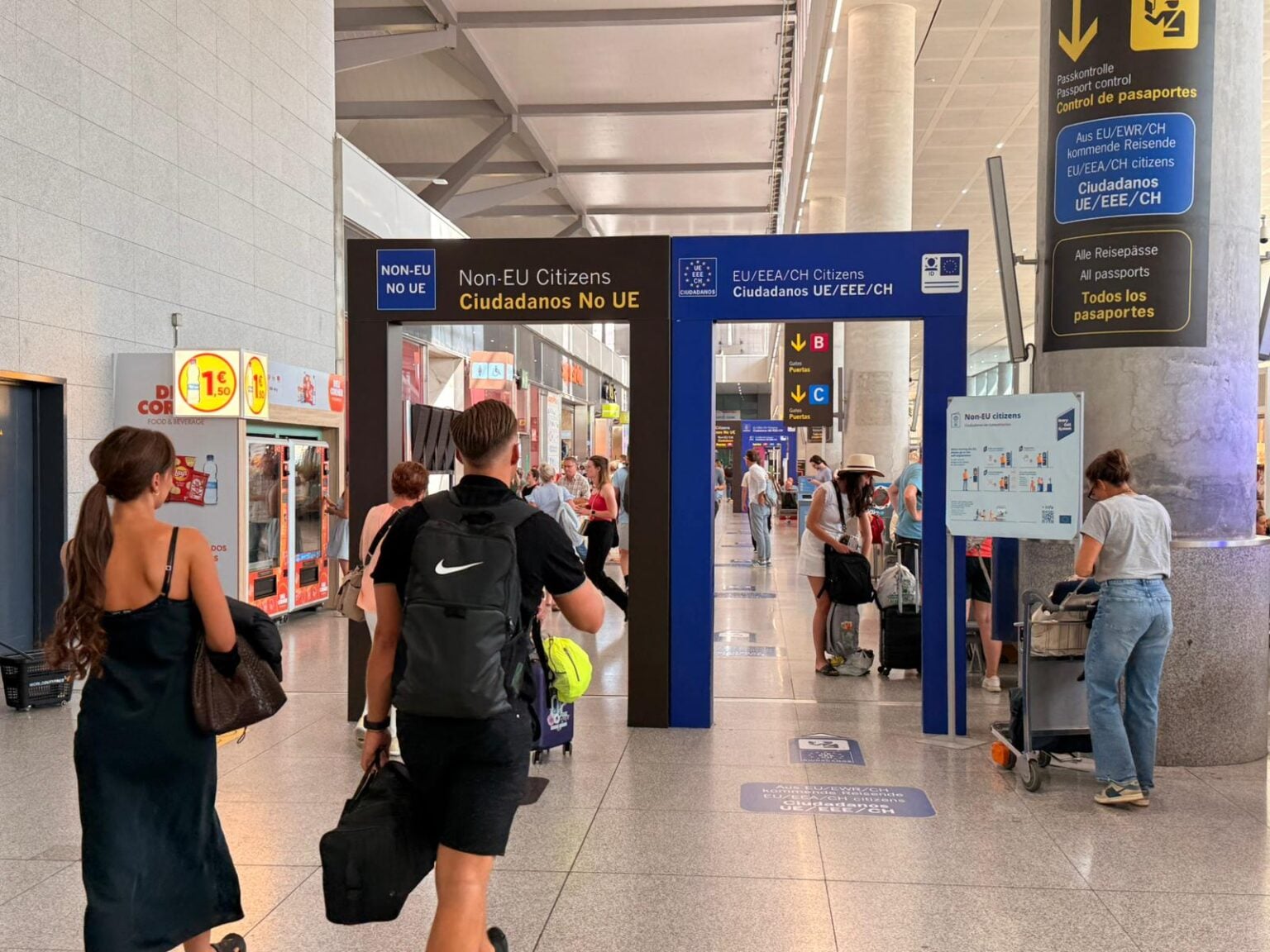

Gibraltar has contacted the European Commission after a number of its residents were wrongly registered on the EU’s Entry/Exit System.
Residents of the Rock have a specific exemption from the biometric border checks, or EES, under the new UK-EU treaty on Gibraltar.
The exemption exists because of Gibraltar’s unique post-Brexit border arrangement.
Gibraltar is neither part of the EU nor the Schengen zone, and most of its residents are British citizens who would ordinarily be treated like any other non-EU traveller.
That would normally mean providing fingerprints and a facial image when entering Schengen and having every arrival and departure digitally recorded.
But applying those checks to Gibraltar residents would undermine the removal of the land border between Gibraltar and Spain. As part of the treaty, there are no longer routine immigration controls there, allowing people to move fluidly between the Rock and the surrounding Campo de Gibraltar.
The treaty therefore gives registered Gibraltar residents a special carve-out from EES registration. Their Gibraltar identity card or Civilian Registration Card proves that they live on the Rock and qualify for it.
It does not give them EU citizenship, make Gibraltar part of Schengen or grant them unlimited freedom of movement.
Residents are still legally restricted to 90 days inside the Schengen area during any rolling 180-day period. They are exempt only from being enrolled in and monitored through the EES.
What has gone wrong?
The Gibraltar Government has received ‘a number of reports’ from residents who were nevertheless ordered to register on the EES while travelling through external Schengen borders elsewhere in Europe.
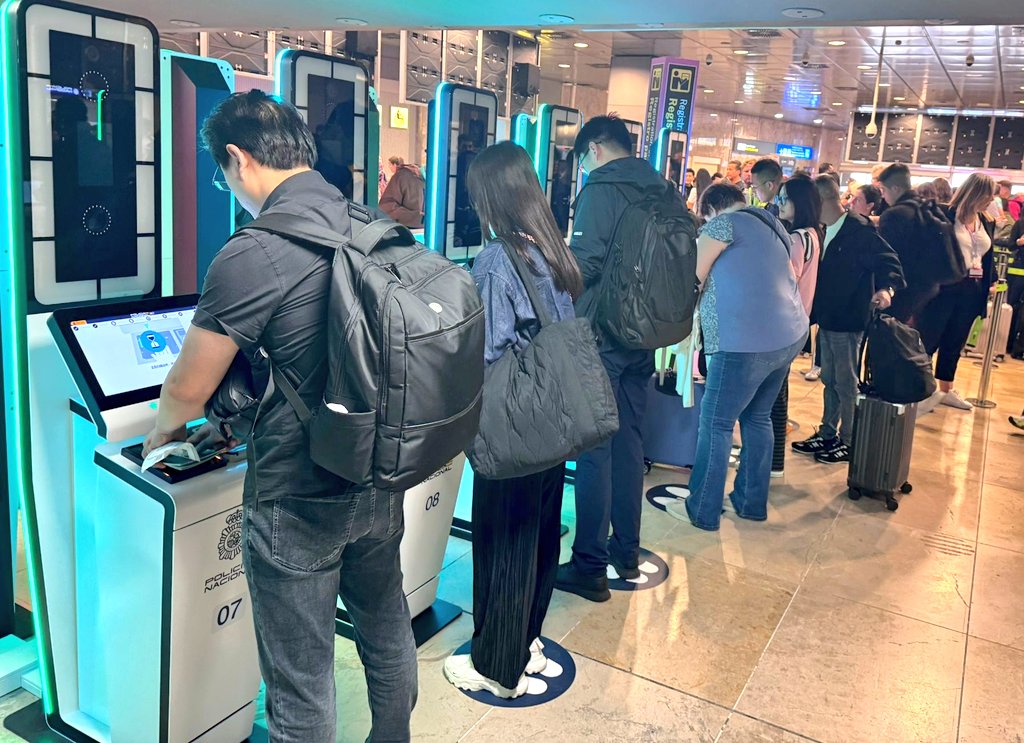
In some cases, the system recorded their entry but not their subsequent departure when they returned home to Gibraltar.
That can happen because travelling back to the Rock under the new open-border arrangements does not necessarily generate the type of external Schengen exit record that the EES expects.
The system’s 90-day counter can therefore continue running even though the person has already left Schengen and returned home.
If the record is not corrected, the resident could later appear to have exceeded the permitted stay despite having complied with the law.
Gibraltar has raised the issue with officials in Brussels and is preparing a technical note explaining what affected residents should do.
Why are border officers getting it wrong?
Deputy Chief Minister Joseph Garcia said the European Commission had informed Schengen border authorities about the special arrangements for Gibraltar residents.
But the Schengen area has around 1,500 external crossing points, including airports, ports and land borders.
As the Gibraltar treaty remains in the early stages of provisional application, some individual officers may not yet be familiar with the exemption or recognise Gibraltar residency documents.
Residents must still present a valid passport when travelling.
Their Gibraltar identity card or Civilian Registration Card serves as additional proof that they live on the Rock and should not be enrolled in EES.
Until the Government publishes its promised guidance, residents travelling through Schengen borders should carry both documents.