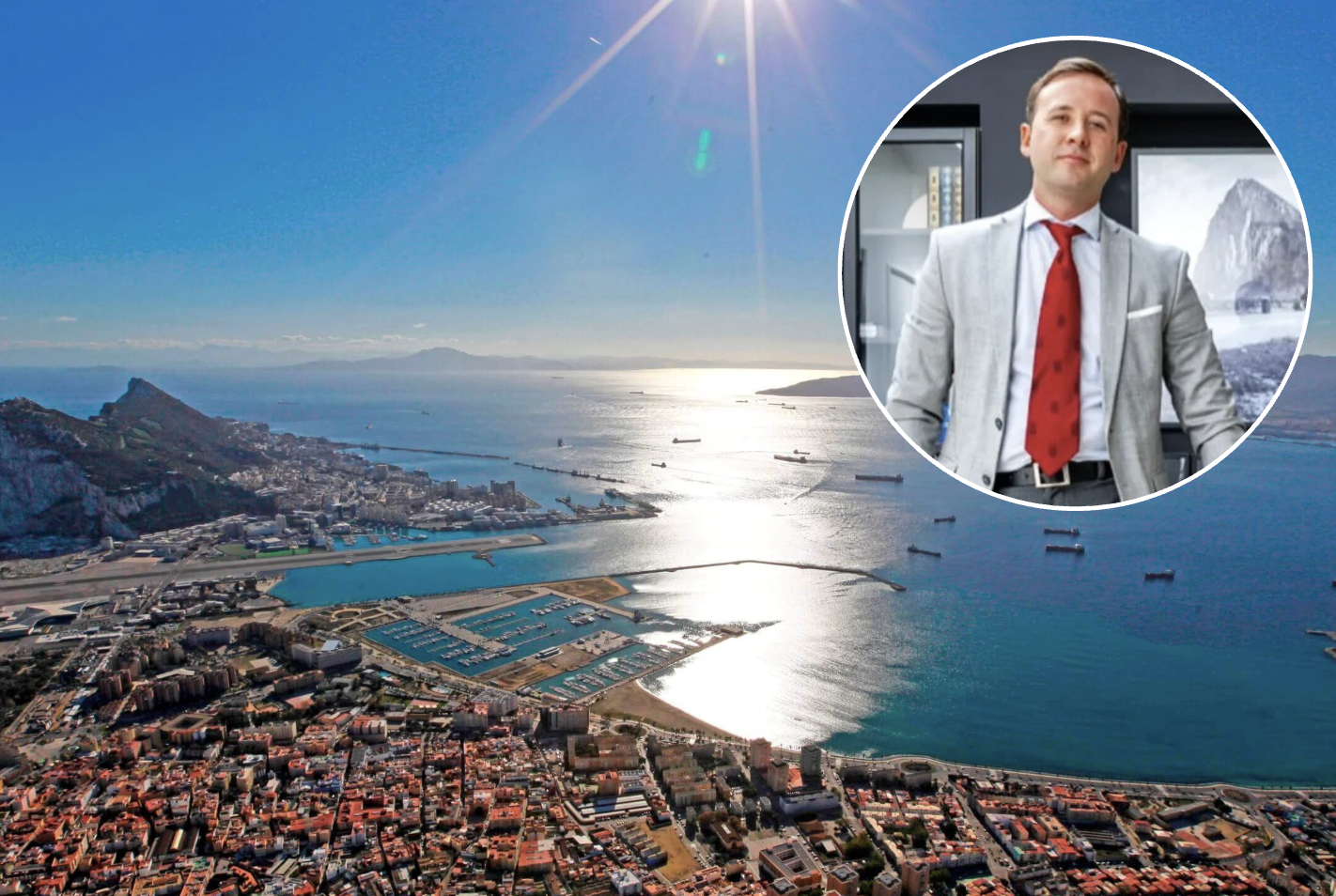

Measures must be taken to protect the local population in the Campo de Gibraltar following the removal of the land border, a legal expert has warned.
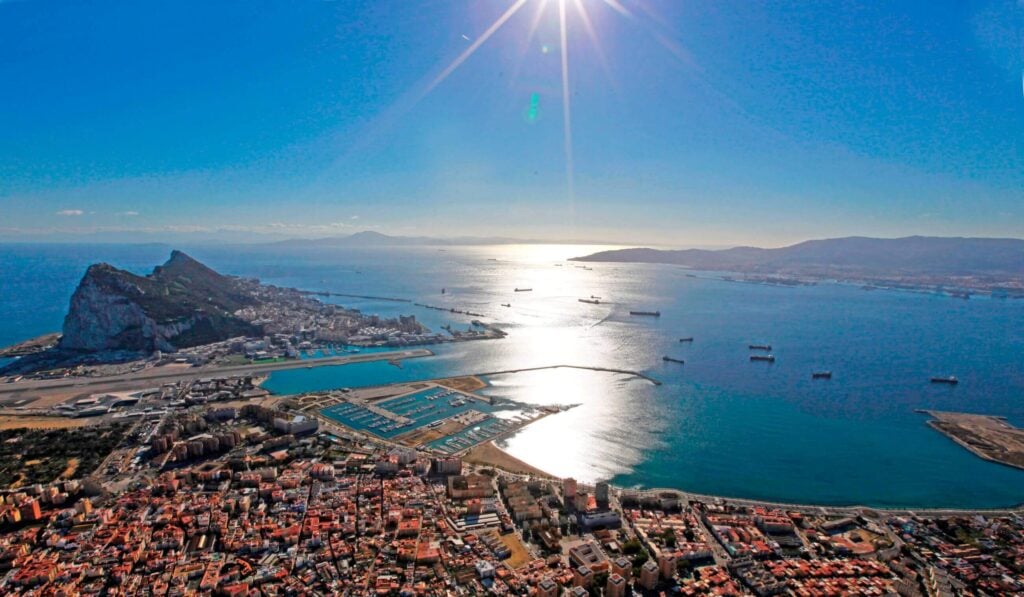
Demand for homes in the cross-border town of La Linea de la Concepcion is surging following the removal of the frontier on July 15, but fears are mounting that lifelong residents will be priced out of the area.
Cayetano Caparros Espinosa, founding lawyer at LegalRock, said the change had strengthened confidence among buyers, tenants and investors by making daily movement easier and providing greater legal certainty.
‘There has been a noticeable increase in enquiries and general interest, particularly from people whose personal or professional lives are connected to Gibraltar,’ Cayetano told The Spanish Eye.
He cautioned that it was too early to calculate precisely how much of the increase could be attributed directly to the removal of border controls.
‘The market was already moving, but greater legal certainty and easier daily mobility have strengthened confidence among buyers, tenants and investors,’ he added.
Prices and rents under pressure
Figures from property valuation company Tinsa showed that residential prices in the city had already increased by approximately 8.8% year on year during the second quarter of 2026.
Rents are also facing growing pressure because of the limited number of homes available, with modern, renovated and well-located properties attracting particularly strong interest.

‘The change at the border has not created this shortage, but it is likely to intensify demand,’ Cayetano said.
That demand is coming from a mixture of people employed in Gibraltar, Gibraltarians considering living across the border, British and other international buyers, investors and Spanish purchasers from outside the immediate area.
According to Cayetano, the most significant change may be in how people perceive La Linea.
The city is increasingly being viewed as part of a wider cross-border economic region in which residents can live in Spain, work in Gibraltar and make use of services on both sides.
Renovated two and three-bedroom properties close to La Linea town centre and the Gibraltar frontier are proving especially attractive to professionals and cross-border workers.
Families seeking larger homes and a more suburban environment are looking further afield, including Santa Margarita and La Alcaidesa.
However, Cayetano warned that removing physical controls had not erased the legal differences between Spain and Gibraltar.
Working on the Rock does not automatically give someone the right to reside in Spain, while taxation, social security, healthcare, employment and immigration rules must still be considered carefully.
Warning over affordability for local families
The increase in demand has raised fears that local people could be priced out of their own city.
Salaries in Gibraltar and the purchasing power of international buyers are generally higher than those of residents earning Spanish wages.
‘If supply does not increase, local families may find it progressively more difficult to rent or purchase property in their own city,’ Cayetano warned.
‘The challenge is not to resist investment, but to manage it properly through new housing, affordable rental programmes, appropriate urban planning, infrastructure and public services.
‘Growth must improve the opportunities available to local residents rather than displace them.’
La Linea City Hall recently unveiled plans for 3,019 new homes in an effort to ease pressure on the local market.
The proposed pipeline includes privately developed properties, protected housing and publicly owned homes for sale and rent, although the projects remain at different stages and will be delivered gradually over the coming years.
Cayetano said the developments could help La Linea accommodate its expected growth, provided they were accompanied by the necessary infrastructure and included a balanced mixture of private, affordable and rental housing.

‘Genuinely transformative’
Over the next three to five years, the opening of the frontier could prove ‘genuinely transformative’ for La Linea and the wider Campo de Gibraltar, according to the lawyer.
Further residential, commercial, hotel and professional investment is expected not only in La Linea, but also in Campamento, San Roque, La Alcaidesa and Sotogrande.
Major housing projects are also being planned on the Gibraltar side, including approximately 2,300 affordable homes as part of the Westside reclamation scheme and further developments around Eastside and Eastern Beach.
Cayetano said the scale of these projects demonstrated the level of housing demand across the cross-border region as a whole.
Gibraltar International Airport could also become a more important economic asset under the new arrangements.
A significant proportion of its passengers already use the airport as a gateway to southern Spain, and a more integrated framework could make it more attractive to airlines and travellers.
This could create further opportunities for tourism, hotels, business travel, transport companies and property investors on both sides of the frontier.
However, Cayetano stressed that new routes and future passenger growth would ultimately depend on commercial decisions made by airlines, rather than the legal agreement alone.
Courts and police must also cooperate
The opening of the border has also created a need for closer judicial and law-enforcement cooperation.
Spain and Gibraltar remain separate jurisdictions, with their own legislation, courts and legal procedures.
The new framework could nevertheless make it easier to serve judicial documents, transmit evidence, exchange information and coordinate civil, family and criminal cases involving both territories.
‘Removing physical controls makes daily life easier, but effective cooperation between the courts and public authorities on both sides is what will provide individuals and businesses with genuine legal certainty when a dispute or procedure crosses the border,’ Cayetano said.
A psychological change
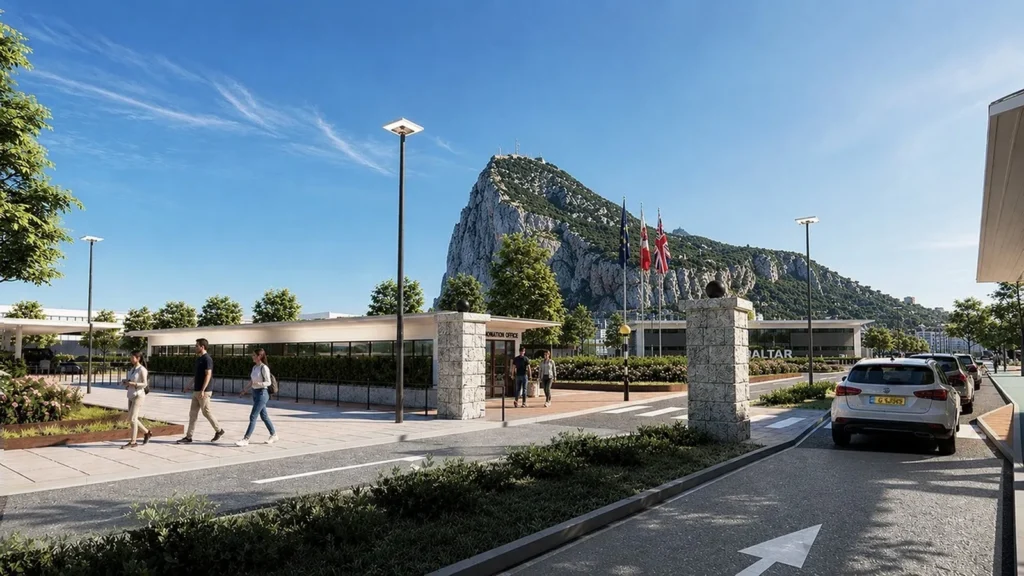
Beyond housing and investment, the lawyer believes one of the most important consequences of the opening could be psychological.
‘The frontier was not only a physical checkpoint; it also shaped how both communities viewed one another,’ he explained.
‘The new reality encourages people to think in terms of a shared economic and social area, while fully respecting the identity, legal system and institutions of each territory.’
Cayetano was in Brussels shortly before the new arrangements were implemented, following the agreement’s European dimension, before returning to the Campo de Gibraltar.
He witnessed the frontier opening during the night of July 14 to 15 alongside representatives from both communities.
‘It was a historic and emotional moment, but the real work begins now,’ he said.
‘The opportunity is enormous, but its success will depend on legal certainty, housing supply, infrastructure, environmental responsibility, professional training and sustained cooperation between the administrations, businesses, courts and civil society on both sides.’
Read more Andalucia news at the Spanish Eye.