Socialist mayors across Andalucia are sounding the alarm over the political fallout from the Ceuta migrant crisis.
Pedro Sanchez has now publicly ruled out holding Spain’s next general election on the same day as the municipal and regional elections on May 23, 2027.
‘There will be no electoral Super Sunday,’ the prime minister insisted this week during an interview on Spanish public broadcaster RTVE.
It is the third time he has ruled it out since June.
But while that offers PSOE mayors some protection from having their campaigns fought directly alongside a national election, senior local figures are increasingly worried about the damage caused by the government’s handling of Ceuta, reports regional newspaper El Correo.
‘This is going to be impossible to recover from,’ one veteran Socialist mayor in Andalucia told the publication.
The report said conversations with mayors of large and medium-sized cities, as well as prominent prospective candidates, revealed widespread concern within the party.
While Sanchez has previously built a reputation among supporters for recovering politically from crises, Socialist figures reportedly believe the government’s response to Ceuta has been unusually damaging.
‘Save yourself if you can’
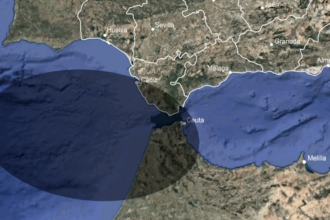
More than 70,000 people crossed irregularly into Ceuta from Morocco on July 30 and 31, triggering an unprecedented humanitarian, political and security crisis in the Spanish enclave.
Sanchez travelled rapidly to Ceuta on July 31 and denounced what he described as a ‘violation of Spain’s territorial integrity’.
But his government’s subsequent handling of the crisis has faced sustained criticism from opposition parties and, increasingly, unease from within Socialist ranks.
The controversy has intensified following the declassification of intelligence material relating to warnings received before the mass crossings.
Gonzalo Sanz, chief of staff to the government’s delegate in Ceuta, resigned on Friday after publicly contradicting his superior over whether information received from Spain’s CNI intelligence service on July 29 had been passed on.
Against that backdrop, El Correo reports a growing ‘every man for himself’ atmosphere among Socialist mayors preparing to defend their town halls next May.
March or July?
What remains unclear is when Spain’s general election will actually take place.
One possibility being discussed is an election during the first quarter of 2027, potentially in March, particularly if the government fails to secure approval for its national budget in Congress.
The alternative would see Sanchez attempt to exhaust the legislature and take the election as far as July.
No decision has been announced, and the eventual timing is expected to depend heavily on political developments over the coming months.
For Andalucia’s Socialist mayors, memories of 2023 loom large.
That year, the PSOE suffered heavily in Spain’s municipal and regional elections amid a nationwide backlash against Sanchez.
The prime minister responded by unexpectedly calling a snap general election the following day.
And the party’s fortunes changed dramatically.
The PSOE went from around 6.29 million votes in the municipal elections to 7.82 million in the general election just 56 days later – an increase of approximately 1.53 million votes, or 24%.
It is that recovery that PSOE’s national leadership is reportedly pointing to as local politicians worry that another anti-Sanchez wave could sweep through their councils.
The message from the party leadership is that mayors should concentrate on governing rather than national political calculations.
‘Anyone focused on that isn’t doing their job,’ is how the message from the federal leadership was summarised.