Thousands of chiringuitos could be forced to change dramatically – or even close – under proposed coastal laws that have sparked a row between Spain’s central government and the Junta de Andalucia.
While beach bars will operate as normal this summer, their long-term future is far less certain as Madrid seeks to tighten the rules governing businesses built on the country’s public coastline.
The dispute centres on how Spain should apply an EU directive requiring coastal concessions to be granted for shorter periods and awarded through competitive tendering.
No immediate changes this summer
The Junta has already signed off permits allowing chiringuitos to operate for the next four years, meaning holidaymakers will notice no changes during the current season.
However, it has stopped approving longer-term concessions that could soon fall under new national rules.
The Ministry for Ecological Transition has drafted new regulations that Andalucia claims amount to a ‘backdoor reform’ of Spain’s Coastal Law.
Regional Environment Minister Catalina Garcia said the EU directive must be respected, ‘but not by changing the law through the back door.’
Smaller, temporary structures
Under the proposed rules, future beach bars seeking new concessions would face much stricter requirements.
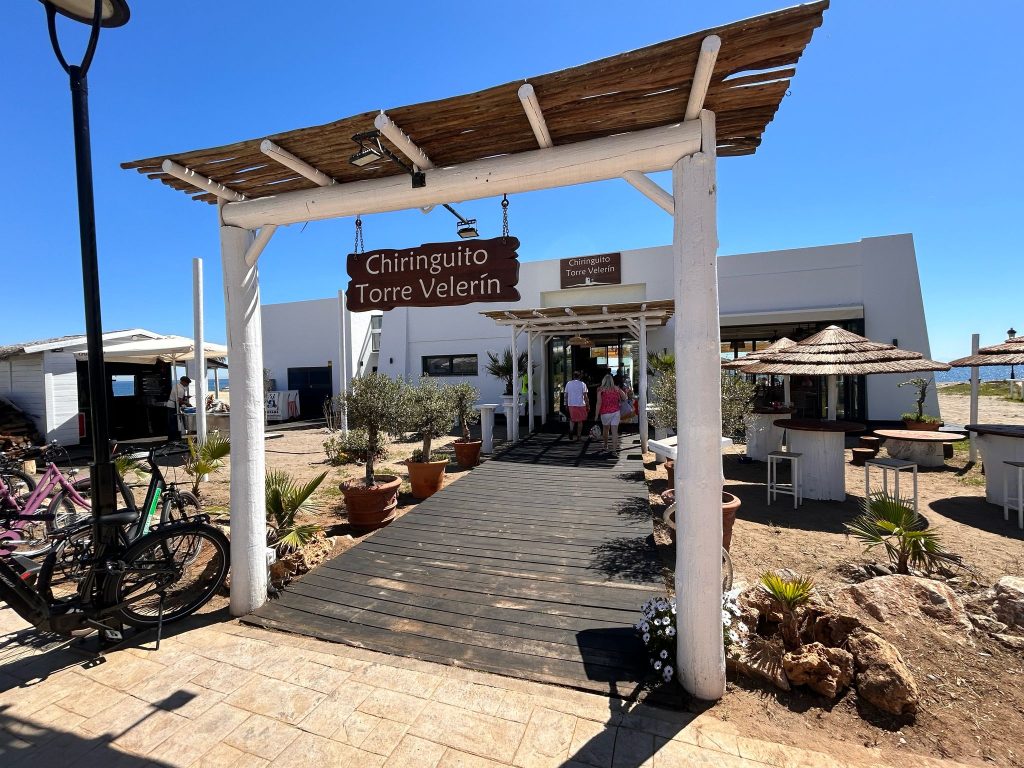
In natural beaches, chiringuitos would be limited to 70 square metres, with a single storey, no basement and fully removable structures.
On urban beaches, the maximum size would rise to 200 square metres, but they would still be restricted to one floor, no basement and removable construction.
The draft rules would also prevent concessions being granted to businesses considered at a ‘real risk’ of being reached by the sea.
According to the Andalucian Federation of Beach Business Owners, the ban on multi-storey structures and basements would affect ‘virtually every chiringuito’, meaning many could eventually have to be demolished when their current concessions expire.
Winter opening at risk
Another major concern for operators is that the proposed framework would favour seasonal, temporary structures rather than permanent businesses operating throughout the year.
The Junta argues that sustainable tourism and year-round economic activity can coexist, while the ministry believes public coastal land should be used only for temporary facilities that leave no lasting impact after the summer season.
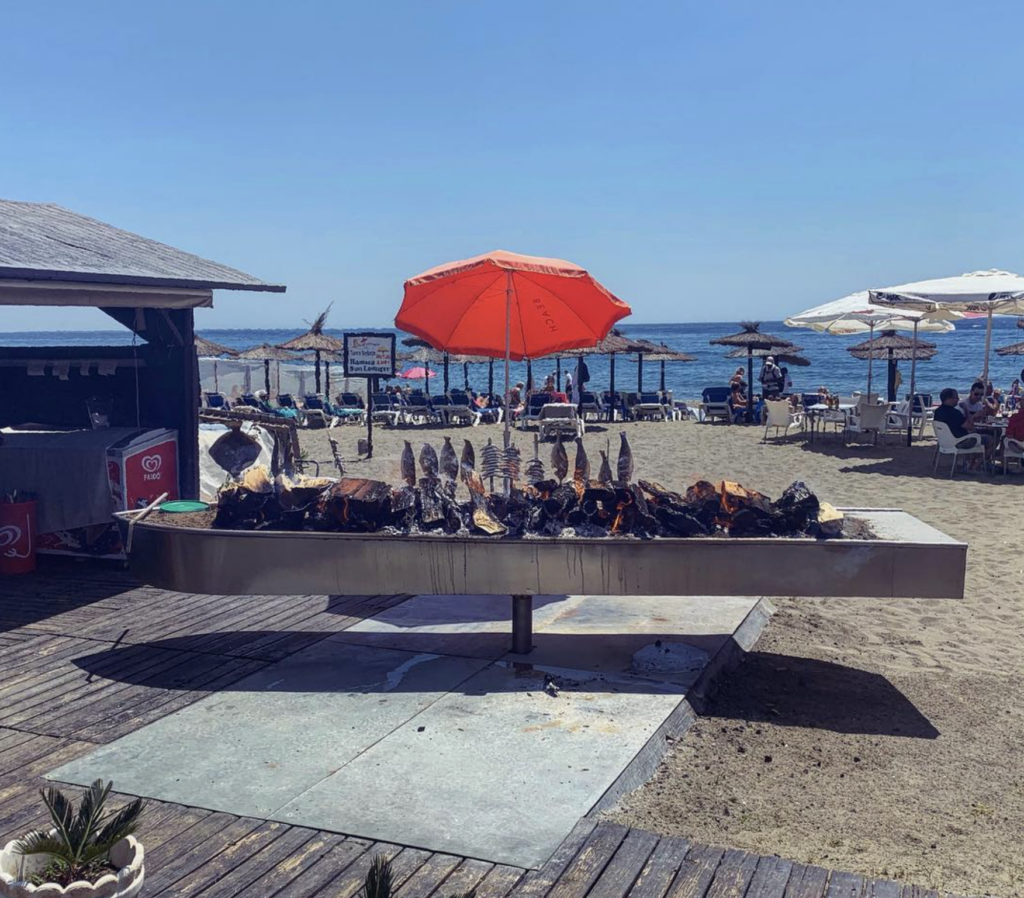
Business groups warn that the proposals could prevent many beach bars from remaining open during the winter months.
Industry fears growing uncertainty
Beach bar owners say they have largely been left out of discussions and warn that the legal uncertainty is already creating anxiety across the sector.
Meanwhile, Spain’s central government insists the new rules will increase legal certainty by ensuring concessions are awarded through transparent and competitive procedures.
The ministry says it is still reviewing submissions from regional governments and industry groups before the draft regulation moves to the Council of State and, ultimately, Spain’s Council of Ministers.
For now, Andalucia’s beaches will look exactly the same this summer – but when existing concessions begin to expire in the coming years, many of the region’s iconic chiringuitos could face a very different future.
Read more Andalucia news at the Spanish Eye.