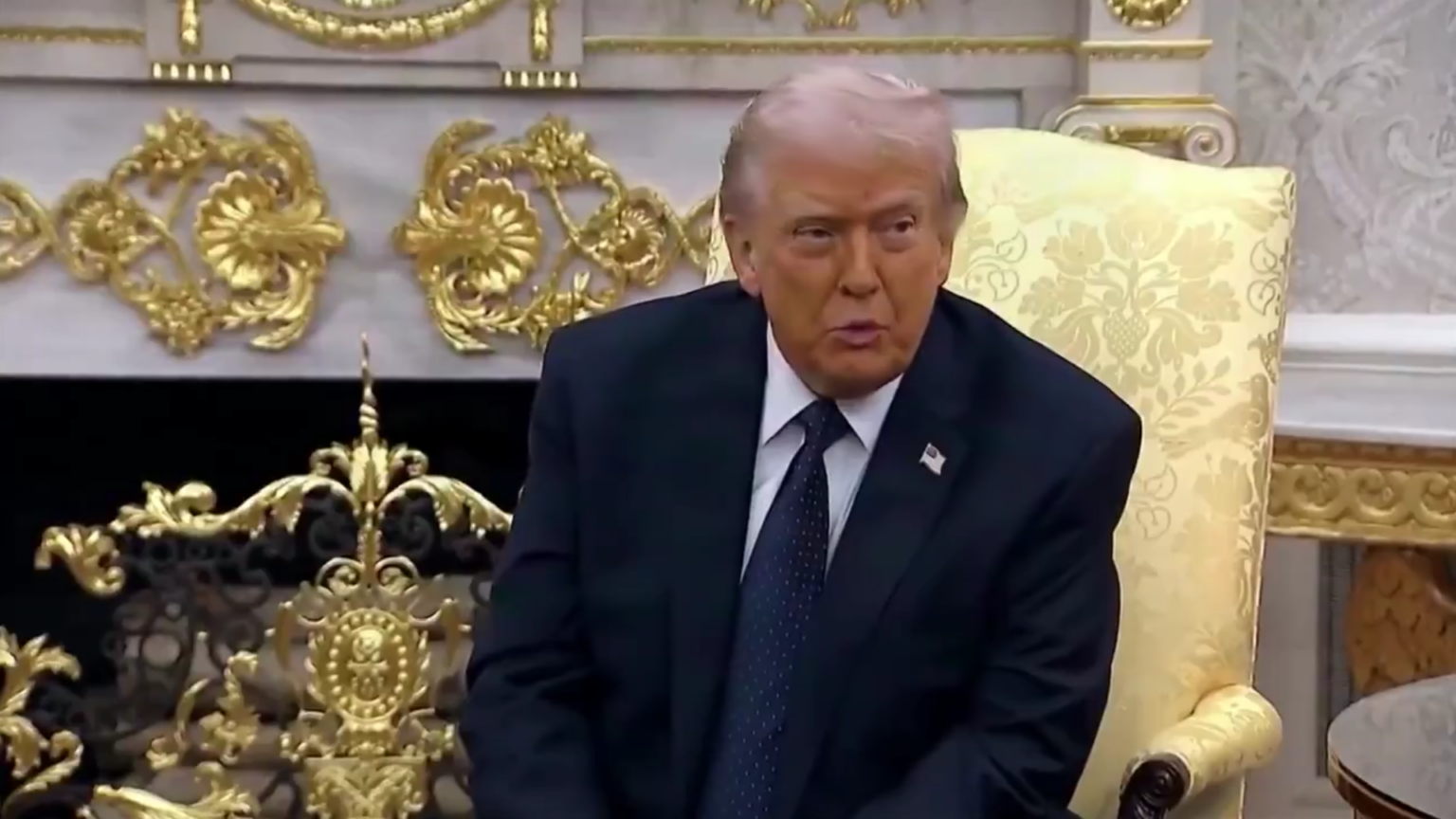

Donald Trump has threatened to impose 100% tariffs on all European imports – including from Spain.
The US president said the levy would be applied in retaliation for the EU’s planned digital tax on big tech.
Writing on his Truth Social platform, the 80-year-old leader warned that any country introducing the tax would face immediate trade retaliation.
‘Let this statement serve as notice that any country that imposes this tax will immediately face a tariff of 100% on every product sent to the United States of America,’ he wrote.
Trump added that the proposed tariffs would override any existing trade agreements, regardless of whether they had already been negotiated or signed.
The warning comes after members of the European Parliament debated introducing a common digital services tax on multinational technology firms such as Google, Apple, Meta and Amazon.
Supporters argue the levy could help fund the bloc’s long-term budget while ensuring global technology companies pay a greater share of tax within Europe.
Trump, however, accused European countries of unfairly targeting American businesses.
‘Numerous European countries have been discussing the imminent implementation of a digital services tax applicable to US companies,’ he wrote.
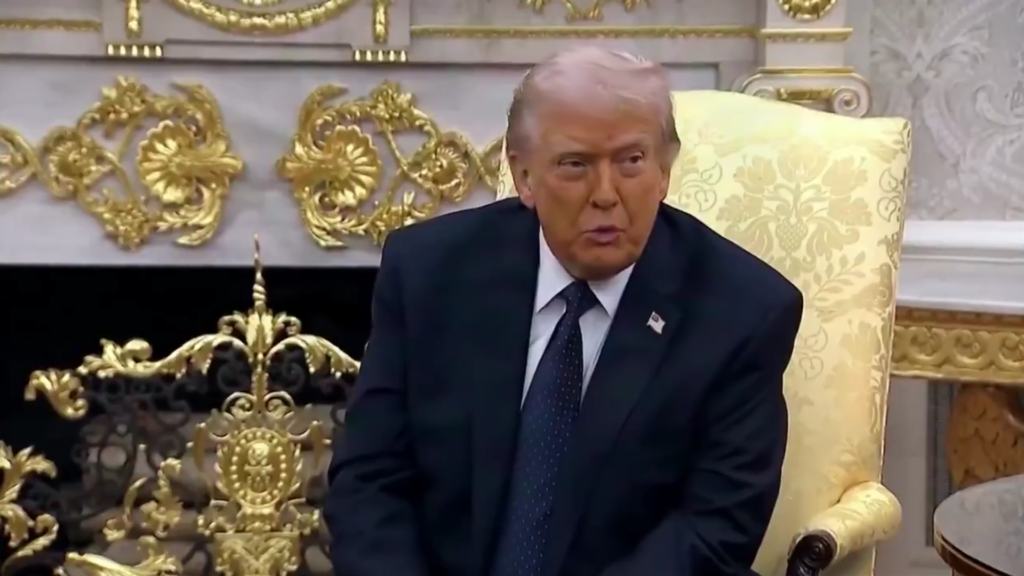
The threat comes just a day after the EU approved a new trade agreement with the US aimed at easing months of trade tensions.
Under the proposed deal, American industrial goods would enter the EU tariff-free, while most European exports to the US would face a 15% tariff.
The agreement was negotiated by European Commission President Ursula von der Leyen and is expected to come into force before July 4, a deadline previously set by Trump.
Although Trump’s earlier attempt to introduce sweeping ‘reciprocal tariffs’ on imports from around the world was struck down by the US Supreme Court, his administration has retained a 10% baseline tariff on imported goods.
His latest comments raise the prospect of renewed trade tensions between Washington and Brussels, with European exporters potentially facing far higher duties if the proposed digital tax is implemented.