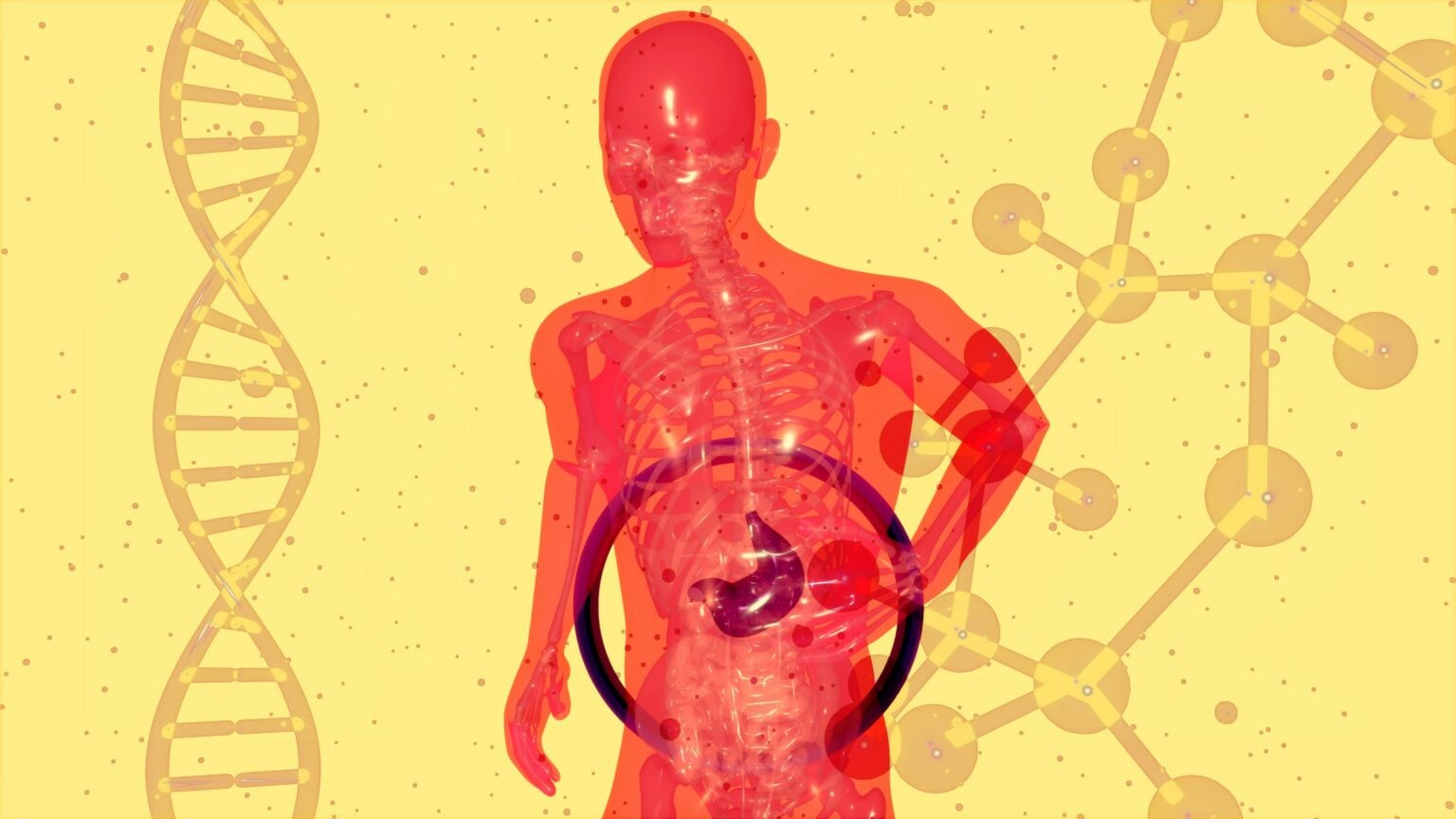

Researchers in Malaga have made a major breakthrough that could pave the way for earlier diagnosis and better treatment of fatty liver disease and certain forms of drug-induced liver damage.
The pioneering study, led by scientists at the Biomedical Research Institute of Malaga (IBIMA Plataforma BIONAND), has identified tiny particles produced by bacteria in the gut that appear to play a crucial role in the progression of liver disease.
The findings have been published in the prestigious Journal of Extracellular Vesicles.
The research team discovered that microscopic particles known as extracellular vesicles, produced by bacteria living in the intestine, can pass into the bloodstream and travel directly to the liver.
Researchers found significantly higher levels of these bacterial vesicles in patients suffering from metabolic dysfunction-associated steatotic liver disease (MASLD) – the medical term for fatty liver disease linked to obesity and metabolic disorders – as well as in patients with drug-induced liver injury (DILI).
‘Our findings suggest these vesicles are not simply by-products, but active messengers that influence the immune system and may directly contribute to liver disease,’ the research team said.
One of the study’s most important discoveries was that vesicles taken from patients with advanced fatty liver disease triggered inflammatory responses and increased fat accumulation inside liver cells.
The researchers also identified a distinctive bacterial signature in patients suffering liver damage caused by medication.
These vesicles were found to increase the toxic effects of commonly used medicines such as diclofenac, worsening inflammation and disrupting the normal function of liver cell mitochondria.
The findings could eventually lead to the development of a simple, non-invasive test to identify people at greater risk of developing serious liver disease.
Scientists believe analysing the composition of bacterial vesicles in the blood could help doctors monitor disease progression or predict whether a patient is more likely to suffer liver damage from certain medications, potentially reducing the need for invasive liver biopsies.
The research also opens the door to future treatments aimed at altering the gut microbiome to slow or even prevent liver disease from developing.
The study was led by senior researcher Cristina Rodriguez, alongside principal investigators Raul J. Andrade, Mercedes Garcia and Eduardo Garcia, with key contributions from Antonio Ruiz and Marina Herraiz.
It was carried out through a collaboration between IBIMA Plataforma BIONAND, the Virgen de la Victoria University Hospital, the University of Malaga, and Spain’s national biomedical research networks specialising in liver disease, obesity and nutrition.
The project received funding from Spain’s Carlos III Health Institute as well as the European Union’s Horizon research programme.