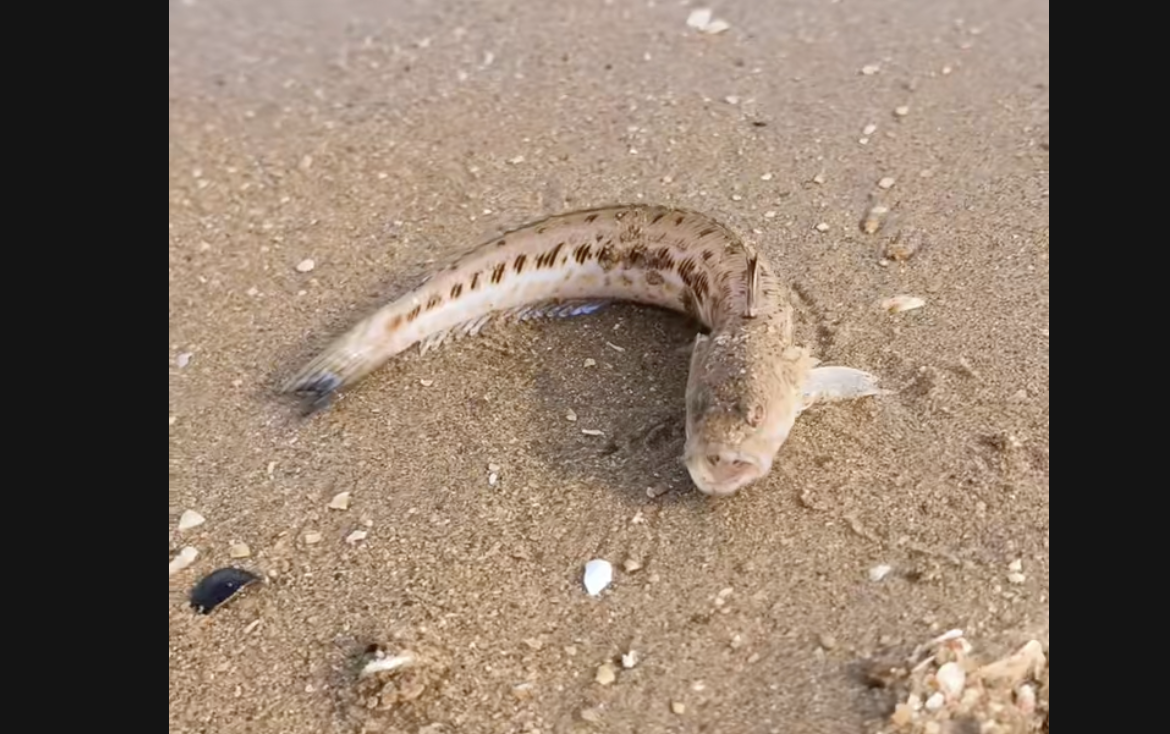

Holidaymakers heading to the beaches of Andalucia this summer are being urged to watch where they step after footage showing a venomous fish hidden beneath the sand went viral online.
The video, shared on TikTok by fishing account @sirverntfishing, was filmed at La Antilla beach in Huelva and reveals a nearly invisible Weever fish buried just beneath the shoreline sand.
Also known in Spain as the faneca or pez araña, the small fish uses camouflage to conceal itself from both predators and prey, making it extremely difficult for beachgoers to spot.
Its hidden nature poses a particular risk during summer, when thousands of people walk barefoot along the shore or wade into shallow water.
The danger comes from the fish’s venomous spines, located along its dorsal fin.
If stepped on, the spines inject venom that can cause immediate and intense pain, often described as a sharp, burning sensation.
Although the fish is not aggressive and does not actively attack humans, accidental contact is relatively common on sandy beaches around Spain’s coastline.
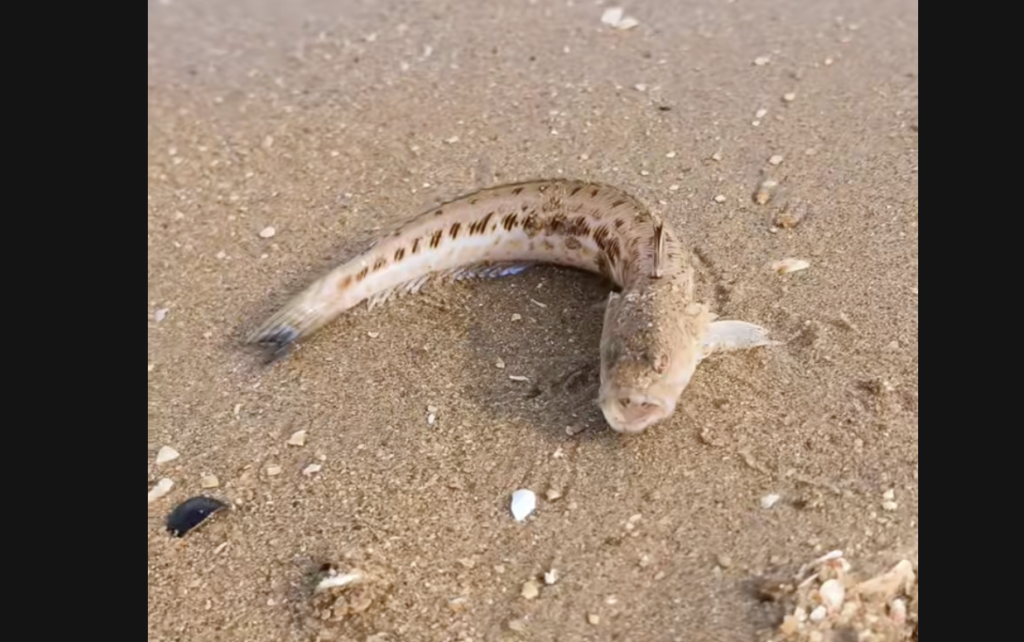
Experts say the species is frequently found in shallow coastal waters and sandy seabeds, where it buries itself with only parts of its body exposed.
During periods of low tide and strong sunshine, the fish often remains hidden beneath the sand waiting for the tide to return.
What to do if you’re stung
If stung by a weever fish, medical experts recommend applying heat as soon as possible.
The affected area should be immersed in hot water at around 45C to 50C for between 60 and 90 minutes, as heat helps neutralise the venom and reduce pain.
After initial treatment, anyone suffering a sting should seek medical attention so healthcare professionals can assess the injury and monitor for complications.
While stings are rarely life-threatening, they can cause severe discomfort, swelling and lingering pain.
Read more Andalucia news at the Spanish Eye.