
Andalucia has carried out its first-ever intestine transplant, marking a major milestone for the region’s public healthcare system.
It now means patients with irreversible intestinal failure will not be forced to travel elsewhere in Spain for treatment.
The pioneering operation was performed at Sevilla’s Virgen del Rocío University Hospital and involved a middle-aged Andalucian woman named Concha, who had spent more than a decade unable to eat normally.
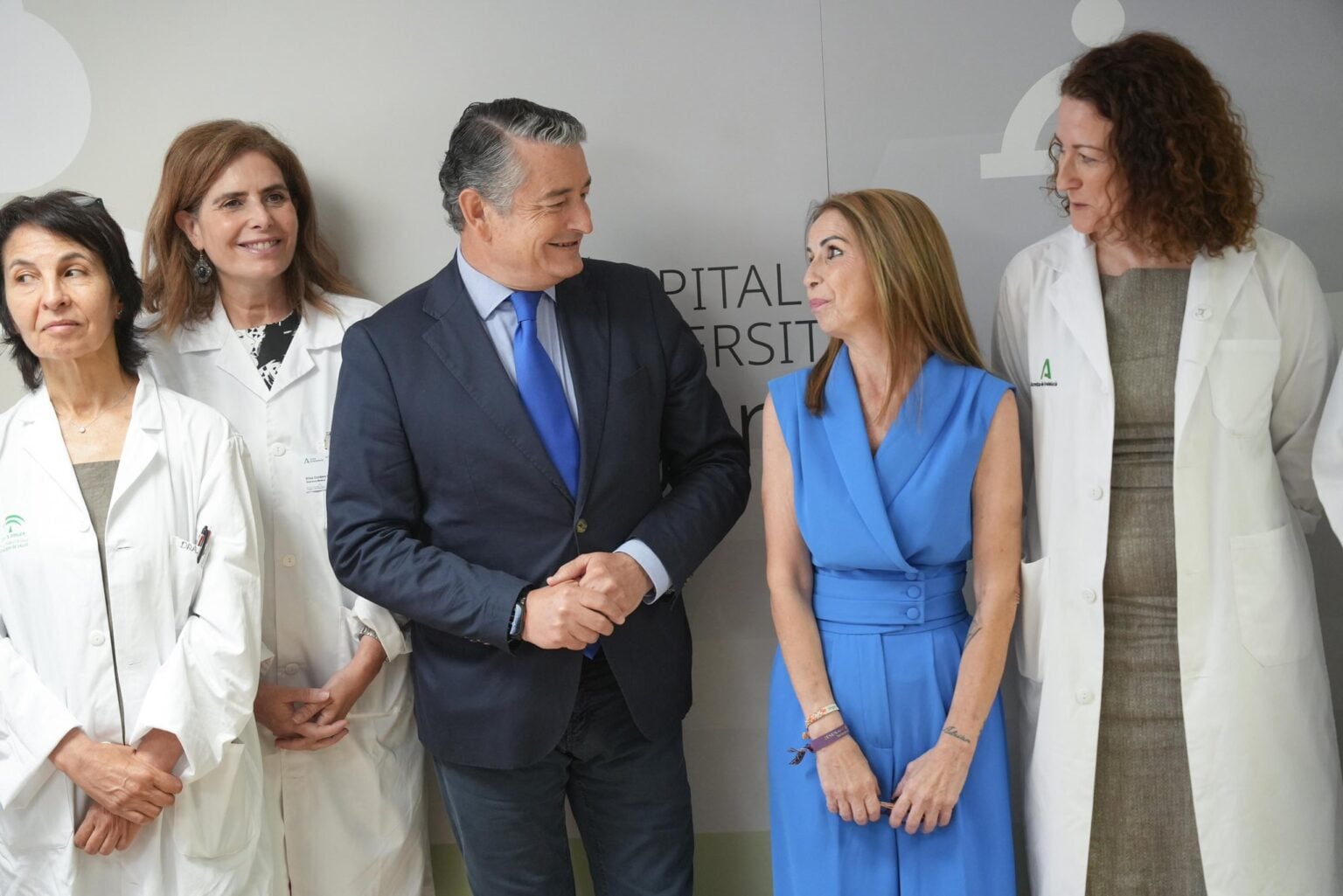
Regional government minister Antonio Sanz hailed the procedure as a major advance for Andalucia’s healthcare system, describing it as one of the most complex transplant operations performed anywhere in the world.
Only a handful of countries currently carry out intestinal transplants on a regular basis, while Spain recorded just 12 such procedures during 2025.
Concha received her new intestine around a month ago after living with severe intestinal failure for more than 13 years.
Doctors said she had been unable to eat for more than a decade and relied entirely on intravenous nutrition after undergoing multiple surgeries that left her digestive system unable to function properly.
Her condition gradually deteriorated until specialists concluded that an intestinal transplant was her only realistic option.
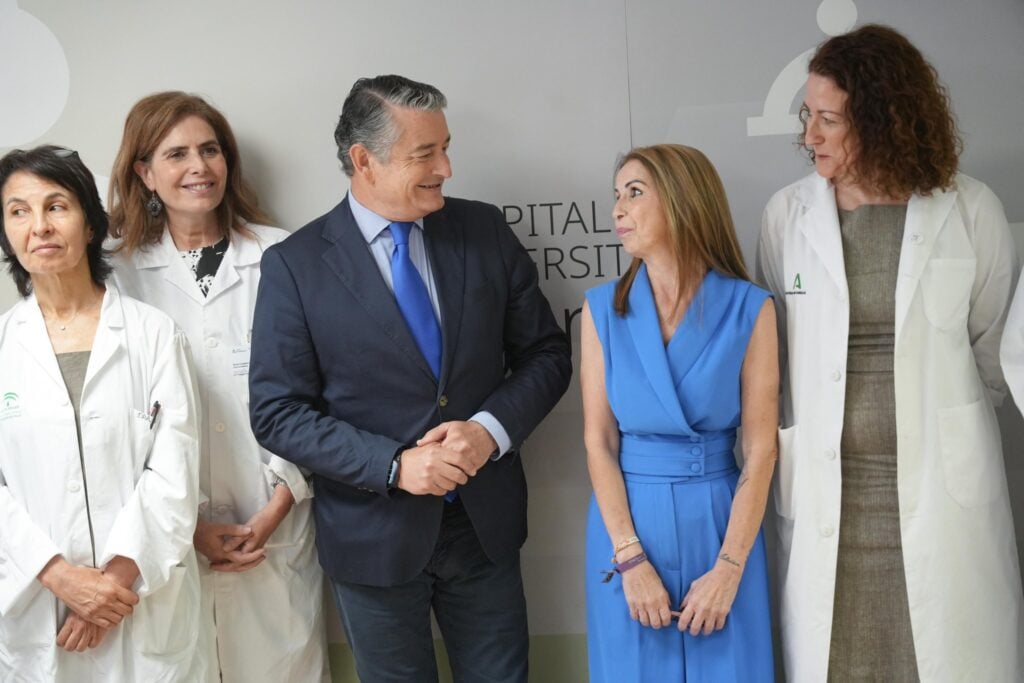
The operation was led by a multidisciplinary team of more than 50 healthcare professionals at Virgen del Rocio, headed by General Surgery chief Dr Javier Padillo and supported by transplant coordinators from Sevilla and Huelva.
Finding a suitable donor proved particularly challenging due to the strict compatibility requirements needed for intestinal transplantation.
Several potential donor organs were rejected before doctors eventually found a match.
The procedure carries significantly higher risks than many other organ transplants because the intestine contains large amounts of immune tissue, making rejection and infection more likely.
Despite those challenges, the operation was successful.
Just 16 days after surgery, Concha was discharged from hospital and returned home.
Doctors say she can now eat normally for the first time in more than ten years.
The announcement coincides with Spain’s National Organ Donor Day and comes as Andalucia reports record-breaking donation figures.
The region has registered 202 organ donors and 185 tissue donors during the first five months of 2026.
Those donations have already enabled 472 organ transplants, including 287 kidney transplants, 111 liver transplants, 43 lung transplants, 23 heart transplants, seven pancreas transplants and the region’s first intestinal transplant.
A further 282 corneal transplants have also been carried out.
Andalucia’s organ donation rate currently stands at 57.3 donors per million inhabitants, comfortably exceeding the national target set by Spain’s National Transplant Organisation.
Sevilla recorded the highest donation rate at 74.9 donors per million people, followed by Granada at 73.3 and Cordoba at 63.9.
The region has also celebrated another transplant milestone this year after doctors at Reina Sofía University Hospital in Cordoba performed Andalucia’s first ABO-incompatible heart transplant on a five-month-old baby girl.
The infant, Greta, suffered from severe heart failure and the transplant represented her only chance of survival.
Healthcare officials say the latest achievements underline Andalucia’s growing role as one of Spain’s leading regions for organ donation and transplantation, with the community recording its highest-ever donation figures in 2025.
Last year, Andalucia registered a record 875 donors, including 471 organ donors and 404 tissue donors, the highest figure ever recorded in the region.
Read more Andalucia news at the Spanish Eye.