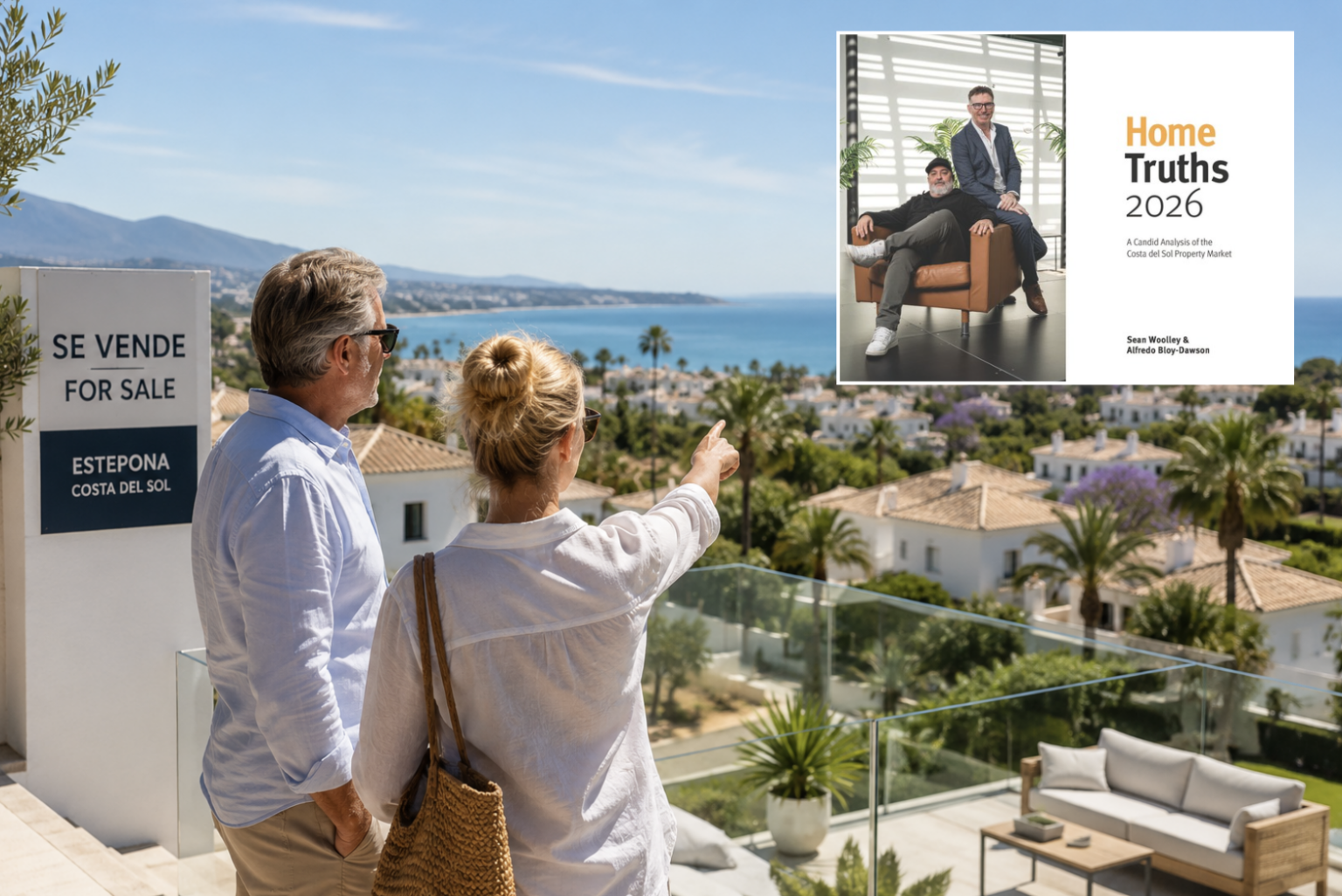

Dutch and Belgian buyers have quietly become one of the Costa del Sol’s most influential foreign property groups, helping fuel the region’s post-pandemic boom while reshaping parts of the market with their practical, lifestyle-driven approach.
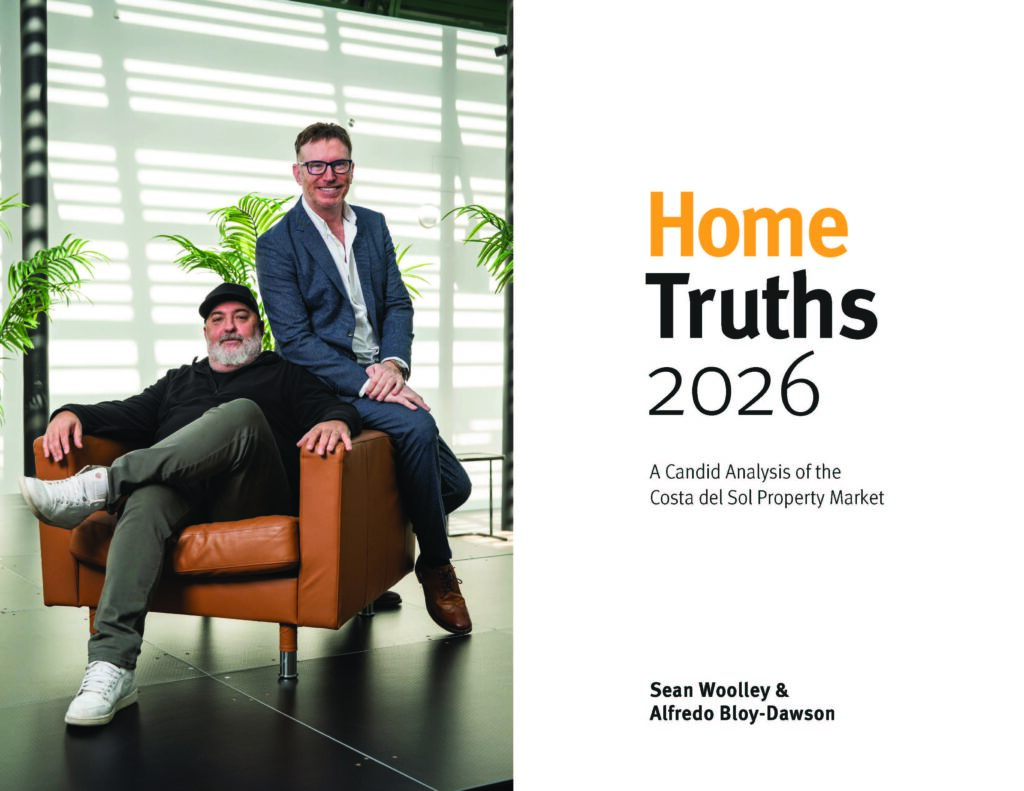
According to the new book Home Truths, co-authored by Cloud Nine Spain CEO Sean Woolley and previewed by the Spanish Eye, the two nationalities now account for up to 15% of all international property transactions in Malaga province – making them one of the most important blocs of EU buyers on the coast.
While British buyers continue to dominate in overall numbers, the Dutch and Belgians have carved out a reputation as decisive, financially secure and highly research-driven purchasers who know exactly what they want before stepping off the plane.
Their combined demand surged dramatically after the pandemic, with sales activity doubling in just a few years and reaching record highs in both 2022 and 2024.
The Dutch market in particular has exploded in recent years, partly driven by policy changes in the Netherlands that made property investment at home less attractive. Belgian demand has remained strong and stable, although without matching the same meteoric rise seen among Dutch buyers.
Unlike some overseas purchasers drawn by glamour or speculation, Dutch and Belgian buyers are typically motivated by long-term lifestyle goals.
‘The appeal is not glamour,’ the book explains. ‘It is comfort: sun, outdoor living and wellness.’
Many are looking for second homes they can eventually retire to, while younger Dutch families are increasingly relocating full-time and combining life on the Costa del Sol with remote work or entrepreneurship.
Where they buy
The book highlights Estepona, Marbella East, Manilva and Mijas as some of the key hotspots for Belgian and Dutch demand.
Belgians are particularly associated with traditional second-home purchases close to golf courses and beaches, often with the intention of spending winters in Spain while maintaining strong links back home.
Dutch buyers tend to be younger on average and more likely to relocate with children, placing greater importance on international schools and integration into local communities.
Both groups are heavily concentrated in Andalucia and the Costa Blanca, favouring areas with established expat populations and strong rental demand.
Developers have increasingly tailored projects towards them, marketing directly in Dutch and French while prioritising outdoor living spaces, terraces and modern specifications.
What they want
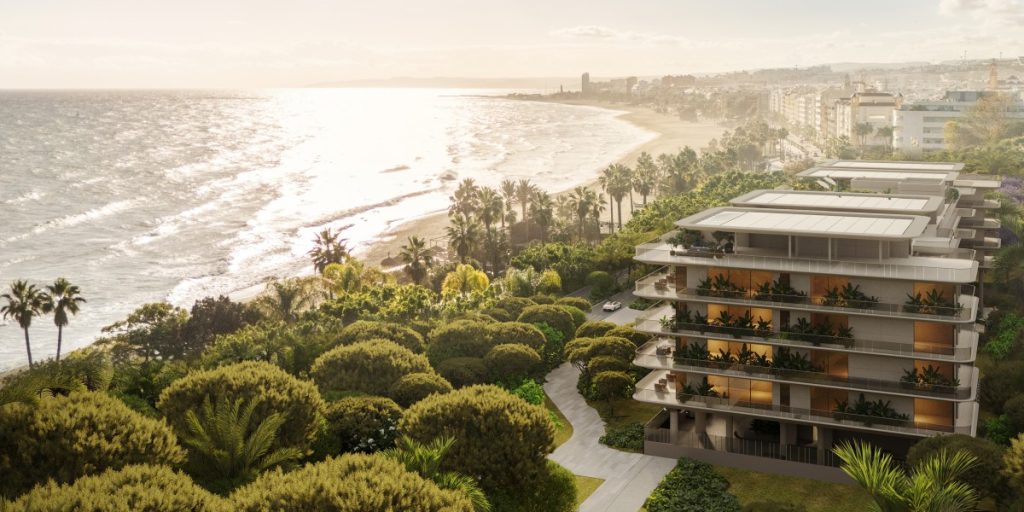
One of the defining characteristics of Dutch and Belgian buyers is their appetite for new-build and off-plan homes.
Modern apartments and townhouses with clean designs, energy efficiency and quality infrastructure are particularly attractive to them.
Budgets are generally pragmatic rather than extravagant, typically ranging between €300,000 and €800,000 for apartments and townhouses, although villa buyers can spend upwards of €1.5 million.
The book notes that they are highly value-conscious and often prefer a well-located €500,000 apartment close to amenities over a larger but isolated inland villa.
Sean Woolley writes that practicality consistently outweighs flashy aesthetics for these buyers.
‘I’ve often found Belgian buyers refreshingly decisive,’ he says in the book.
‘One client memorably arrived on a Friday, viewed four properties on Saturday, and signed a reservation contract on the Monday. Their reasoning? ‘Why wait, when it ticks every box?’’
That pragmatism also extends to how they approach the buying process.
Agents describe Dutch and Belgian buyers as among the easiest clients to convert into sales because they usually arrive having already completed extensive online research.

They tend to view fewer properties than British buyers and negotiate less aggressively if they believe the asking price is fair.
Many purchases are also completed in cash, although those using finance often benefit from strong banking relationships in their home countries.
A growing force on the Costa del Sol
The influence of Dutch and Belgian buyers now stretches beyond property sales alone.
The book argues they played a major role in absorbing the huge wave of new-build developments in Estepona and Mijas Costa during the late 2010s and early 2020s.
Their ‘lock-up-and-leave’ apartments also feed the booming seasonal rental market, while their growing communities are helping diversify towns traditionally dominated by British and Scandinavian residents.
Unlike British buyers, they are also protected from currency fluctuations thanks to the euro, reducing volatility and giving them greater confidence to buy abroad.
Looking ahead, Home Truths predicts Dutch and Belgian demand will remain strong for years to come, driven by high savings levels, strong domestic economies and a younger generation increasingly prioritising lifestyle and flexibility over staying tied to northern Europe’s colder climate.
Sean Woolley is the Founder of Cloud Nine Spain, one of the Costa del Sol’s most respected real estate agencies, and committee member of the LPA (Leading Property Agents of Spain). Sean is commonly referred to as ‘The Property Doctor’. Having trained as a lawyer in the UK and built a successful consultancy before moving to Spain in 2001, his market insights are often sought and have appeared in Forbes, The Wall Street Journal, The Daily Telegraph, and The Financial Times.
Sean’s first book From the Ground Up was released in 2020, which was an insiders’ guide to buying Spanish property. These insights are taken from his second book Home Truths which has been co-written with leading real estate market analyst Alfredo Bloy-Dawson.
Read more Andalucia news at the Spanish Eye.