
A Malaga hospital has played a leading role in a major international trial of a personalised mRNA vaccine designed to reduce the risk of melanoma returning after surgery.
The Hospital Regional Universitario de Malaga participated in the phase 3 clinical trial alongside the IBIMA Plataforma BIONAND research institute.
The study, promoted by pharmaceutical companies Moderna and MSD, is testing an individualised vaccine for patients with high-risk melanoma who have already undergone surgery.
Six Spanish hospitals participated, but Malaga accounted for by far the largest share of patients initially assessed for inclusion.
Of the 71 patients evaluated across Spain, 24 were from the Hospital Regional Universitario de Malaga, representing almost 34% of the national total.
Ultimately, 15 patients from the Malaga hospital were enrolled in the trial.
The pharmaceutical companies behind the study have now announced positive results from the final phase, saying it achieved its principal objectives.
According to the results announced by the companies, adding the personalised mRNA vaccine to existing immunotherapy produced statistically significant and clinically meaningful reductions in the risk of the cancer returning and of distant metastases developing.
A different vaccine for every patient
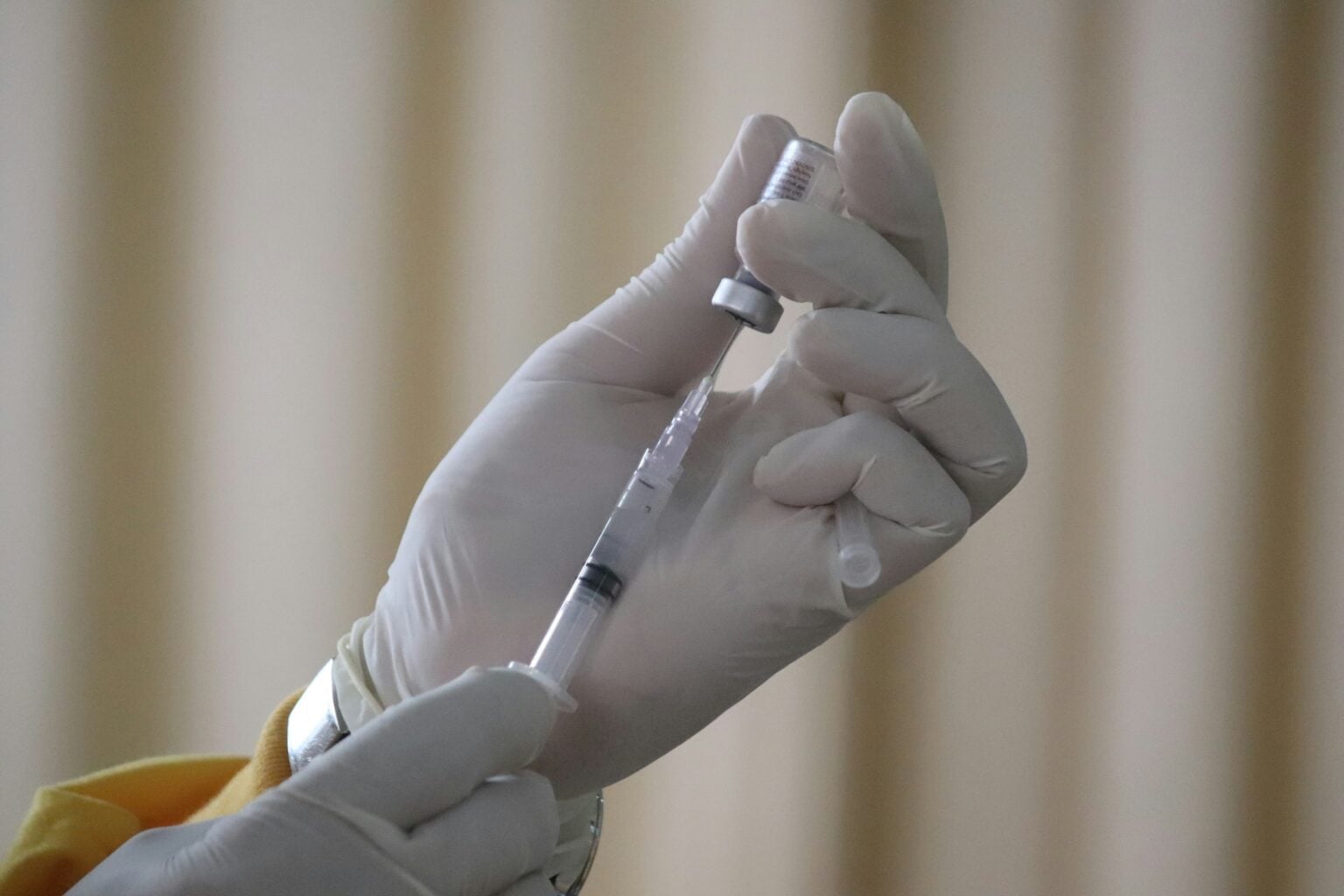
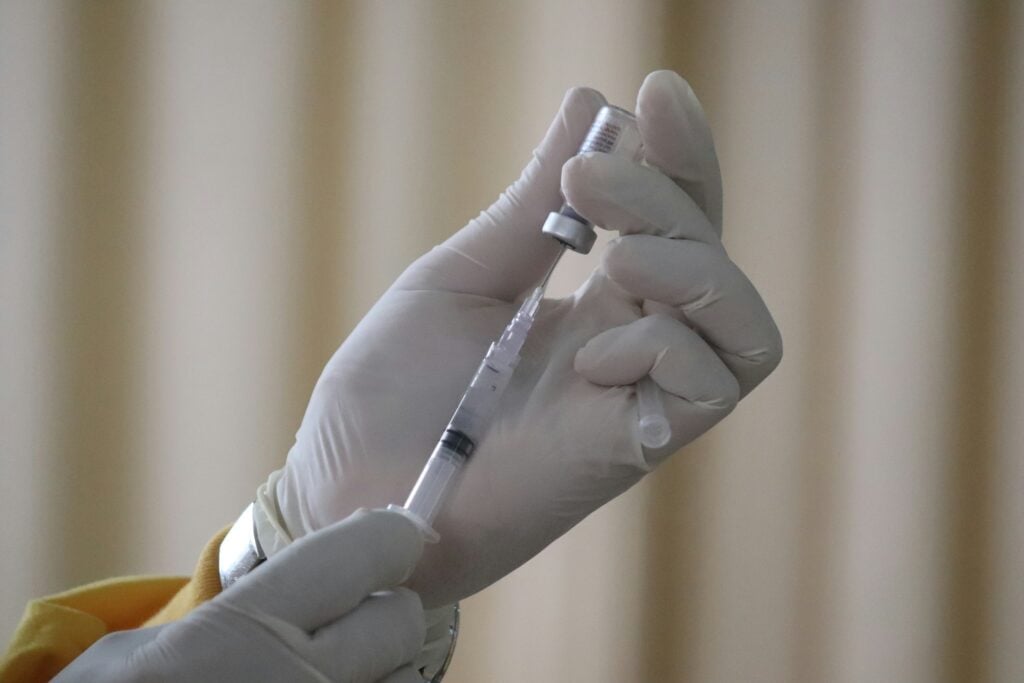
Unlike conventional vaccines, the treatment is individually manufactured for each cancer patient.
It uses messenger RNA technology, which is the same underlying platform used in some Covid vaccines, but there is one fundamental difference.
Rather than giving every patient the same vaccine, each treatment is designed using the characteristics of that person’s tumour.
Doctors must first obtain a sample of the patient’s melanoma during surgery.
Scientists then compare the tumour tissue with healthy tissue from the same person to identify characteristics that distinguish the cancer cells.
From that analysis, they select up to 34 tumour-specific proteins, known as neoantigens, considered most likely to be recognised by the patient’s immune system.
These are incorporated into the mRNA vaccine with the aim of teaching the immune system to mount a more precisely targeted response against the cancer.
Not a vaccine to prevent melanoma
The treatment is administered alongside the immunotherapy already routinely used for high-risk melanoma patients.
The trial is examining whether adding the personalised vaccine to standard treatment can further reduce the likelihood of the disease returning.
Crucially, this is not a preventive melanoma vaccine for healthy people.
It is a therapeutic treatment for people who have already been diagnosed with melanoma, undergone surgery and are considered at high risk of suffering a relapse.
Dr Miguel Berciano, medical oncologist and IBIMA Plataforma BIONAND researcher who coordinated the trial in Malaga, said the findings represented an important development in increasingly personalised cancer treatment.
‘These results reinforce a very promising line of research and represent an important step towards increasingly personalised oncology, in which we can use information from the tumour itself to design specific therapeutic strategies for each patient,’ he said.
Berciano said the key was combining existing immunotherapy with a vaccine specifically designed to help the immune system recognise the individual characteristics of a patient’s tumour.
He also highlighted Malaga’s unusually large contribution to the Spanish arm of the study.
‘Having evaluated 24 patients, almost a third of those initially studied in Spain, reflects the capacity of the Hospital Regional and IBIMA to participate in highly complex international trials and bring therapeutic innovation closer to our patients,’ he added.
Complex process
Producing a personalised cancer vaccine requires close cooperation between numerous hospital departments.
Alongside Medical Oncology, surgical teams are needed to obtain tumour samples, while specialists from Dermatology and Pathological Anatomy are involved in processing and analysing the tissue.
The complexity also means not every patient initially considered for treatment can ultimately receive the vaccine.
Patients must meet the trial’s criteria, an adequate tumour sample must be available and the various analysis and manufacturing stages must be completed successfully.
Read more Andalucia news at the Spanish Eye.