
A Malaga cardiologist has revealed the three foods he would recommend above all others to help combat potentially dangerous visceral fat.
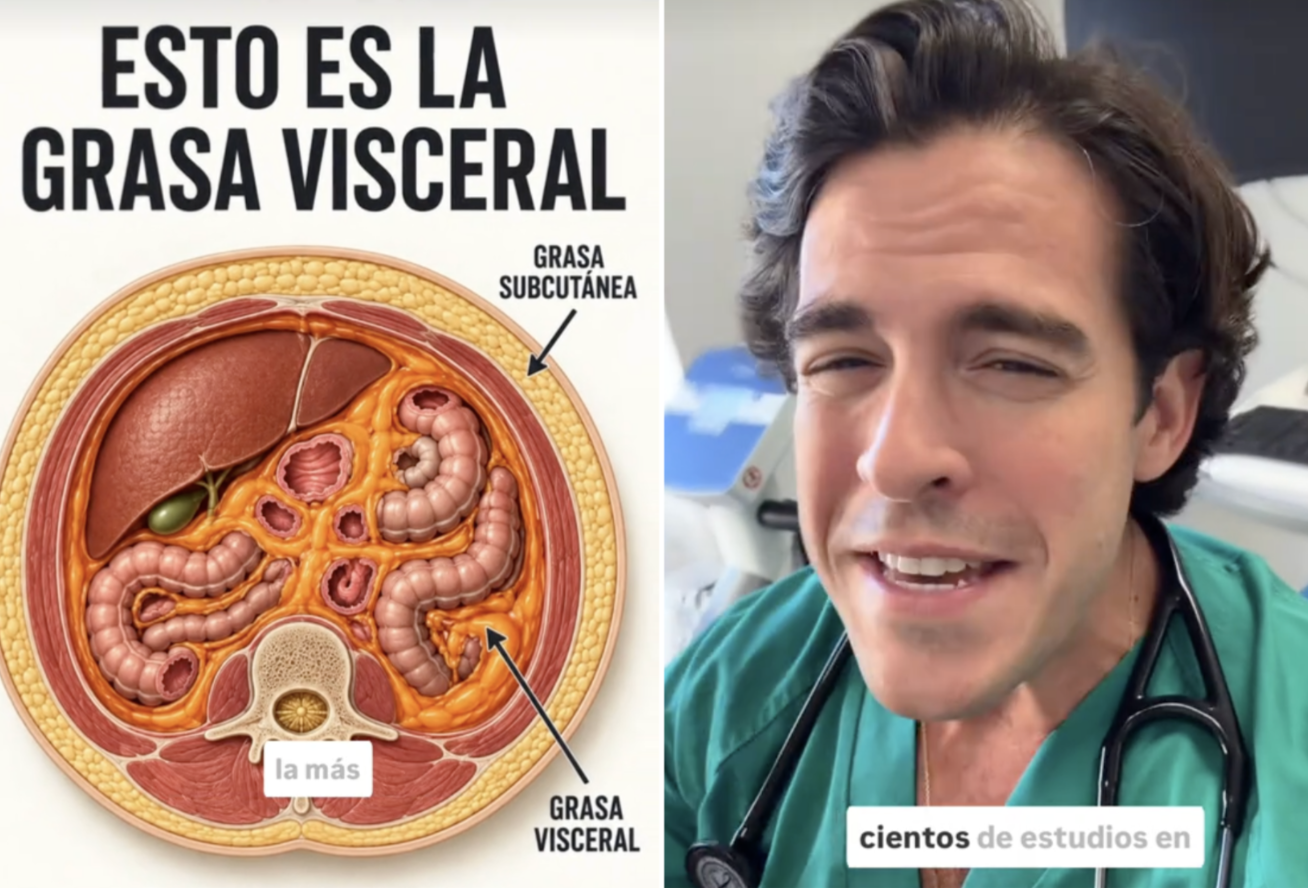
Unlike the fat that sits directly beneath the skin, visceral fat is stored deep inside the abdomen, surrounding organs including the liver, pancreas and intestines.
Higher levels have been associated with an increased risk of metabolic and cardiovascular diseases.
Cardiologist Aurelio Rojas, who has amassed thousands of followers on social media, says there are three foods in particular that have strong scientific evidence behind them.
‘After reading hundreds of nutrition studies, if I could recommend only three foods backed by science to reduce fat – and not just any fat, but visceral fat, the most dangerous for your health and your heart – these would be them,’ he explained in a video.
Walnuts
First on Rojas’s list are walnuts, which contain healthy fats, fibre and polyphenols.
According to the cardiologist, these nutrients can help improve insulin sensitivity and reduce inflammation, which are two factors associated with the accumulation of visceral fat.
Rojas pointed to a clinical trial in which researchers used MRI scans to measure visceral fat.
He said the findings suggested that adding walnuts to a Mediterranean-style diet could produce a significantly greater reduction in visceral fat than following a conventional healthy diet alone.
The cardiologist said the reduction in visceral fat was more than twice as great, while overall fat loss was up to 40% higher.
Walnuts are nevertheless calorie-dense, meaning portion size remains important for anyone attempting to lose weight.
Pulses
The second recommendation is one of the cheapest and most traditional components of the Spanish diet: pulses such as lentils, chickpeas and beans.
Their combination of protein and fibre helps slow the absorption of glucose into the bloodstream, increases satiety and can reduce the amount of insulin the body needs to release.
Those effects can make it easier to control overall calorie intake and body weight.
Rojas cited a meta-analysis covering 36 clinical trials, which found that eating pulses was associated with reductions in both waist circumference and body fat.
According to the figures highlighted by the cardiologist, waist circumference fell by almost two centimetres, while fat mass decreased by around two kilograms.
Extra virgin olive oil
Perhaps unsurprisingly for people living in Spain, the final food on the list is extra virgin olive oil (EVOO).
The cornerstone of the Mediterranean diet contains monounsaturated fats and polyphenols, which Rojas says can improve the body’s response to insulin and help reduce chronic low-grade inflammation.
He said evidence suggests people following a Mediterranean diet and consuming at least two tablespoons of extra virgin olive oil per day have less abdominal fat and a lower risk of heart attack.
Some benefits, he added, may begin to emerge within around four weeks.
However, olive oil is extremely energy-dense, so simply adding large quantities to an existing diet is unlikely to produce fat loss.
There’s no magic food for belly fat
Rojas stressed that none of the three foods can make visceral fat disappear by itself.
Fat loss ultimately depends on a person’s overall diet and lifestyle rather than one supposedly ‘fat-burning’ ingredient.
His recommendation is to combine a consistently healthy diet with strength training and sufficient sleep.
It is also important to distinguish between dietary fat and body fat.
Fat itself is an essential macronutrient alongside carbohydrates and protein and plays an important role in energy production, cellular function and the absorption of certain vitamins.
The type and quantity consumed matters, however, with excessive saturated fat intake capable of increasing LDL cholesterol and cardiovascular risk.