
The Spanish passengers from the MV Hondius cruise ship affected by a hantavirus scare have now begun a strict 42-day quarantine inside Madrid’s Gomez Ulla military hospital.
By 5pm on Sunday, all Spanish nationals evacuated from the vessel had been transferred to individual rooms, where they will remain under constant medical surveillance for the next six weeks.
The group arrived shortly beforehand at Torrejon Air Base aboard a military flight before being transported to the hospital under heavy biosecurity measures.
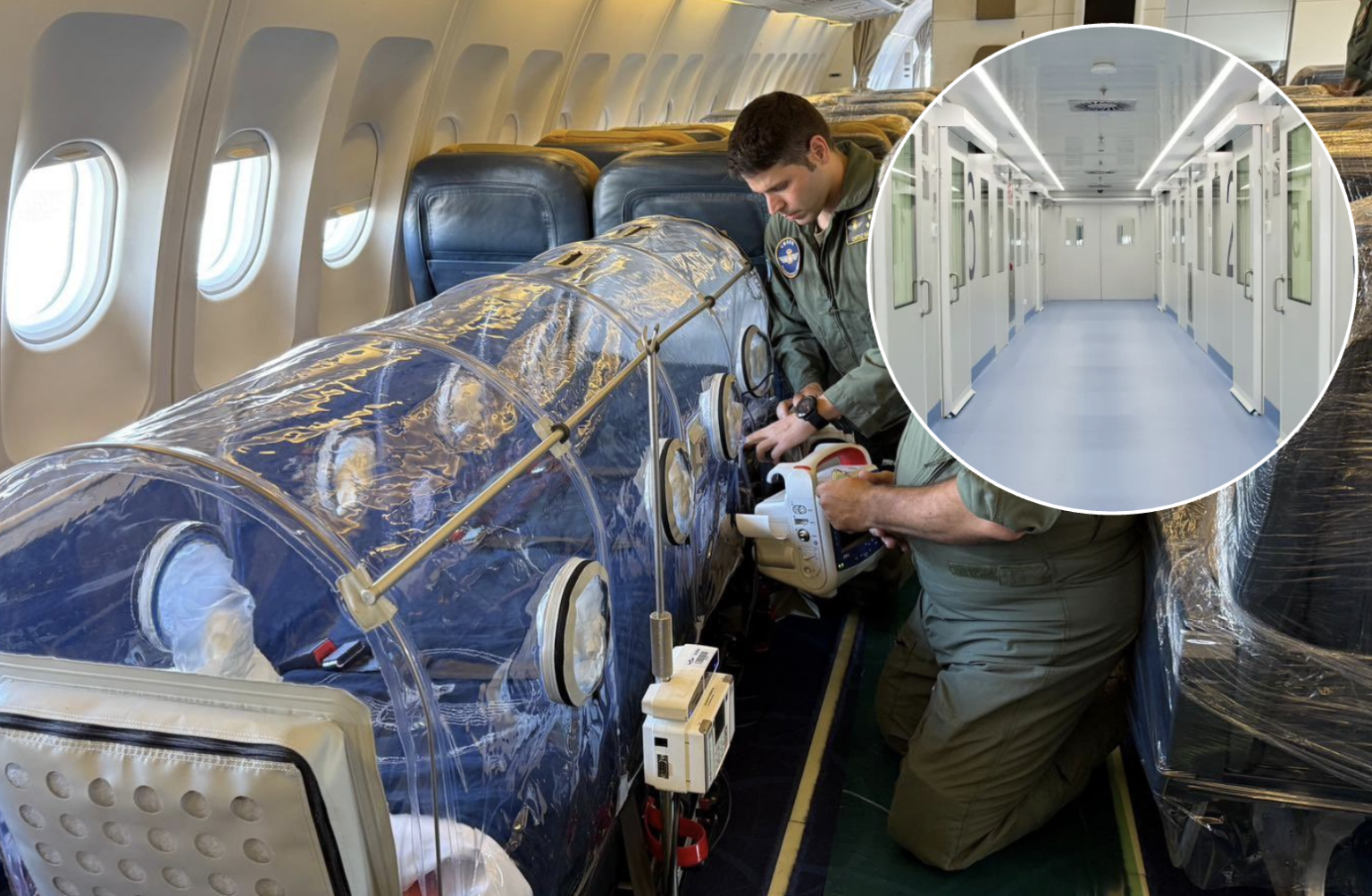
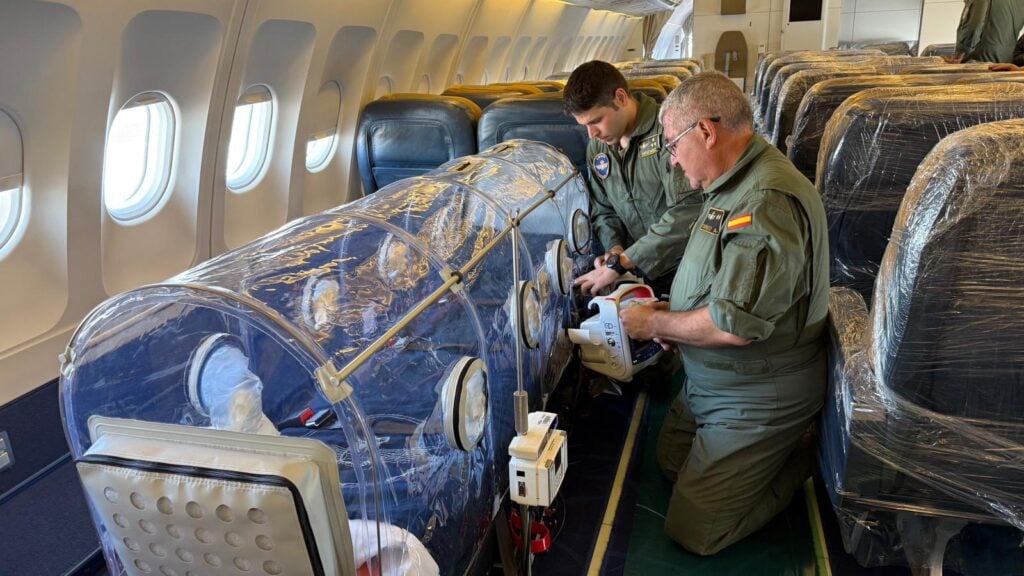
Pictures shared by the Ministry of Defence showed the airtight isolation bubbles they had travelled in on the flight.
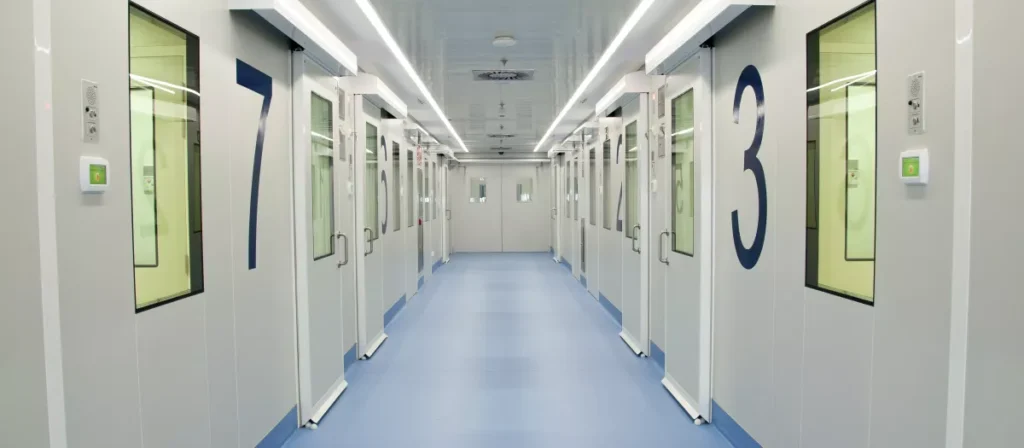
According to reports, the passengers were then moved through a completely sealed internal circuit designed to avoid any contact with other patients, visitors or staff outside the specialist operation.
Once inside the hospital, they were taken via a dedicated lift to a specially prepared floor reserved exclusively for the group. The lift was disinfected immediately afterwards as part of the containment protocol.
The passengers – all currently asymptomatic – will not be allowed to leave their rooms or receive visitors during the quarantine period.
Contact with family and friends will be restricted to phone calls and video chats.
The Ministry of Health has activated an intensive monitoring system for the evacuees.
Medical staff will check their temperatures twice daily while monitoring for any symptoms linked to hantavirus infection, including fever, respiratory problems, muscle pain or vomiting.
PCR tests were carried out immediately upon arrival, with further testing planned after seven days.
If any passenger begins to show symptoms, they will be transferred immediately to a negative-pressure isolation room on the hospital’s high-security infectious diseases floor – the same specialist unit designed for high-risk pathogens.
Further blood and serum testing would then be conducted, with repeated PCR tests carried out if symptoms persist.
Any confirmed case would be admitted to the hospital’s High-Level Isolation and Treatment Unit, regarded as one of the most advanced infectious disease facilities in Spain.
The Gomez Ulla hospital has significant experience handling international health emergencies. Its high-security biological isolation unit was opened in 2015 following the Ebola crisis and was later used during the Covid-19 pandemic to receive evacuees repatriated from Wuhan.
The MV Hondius incident has triggered a major multinational health response after concerns emerged over possible hantavirus exposure aboard the expedition cruise ship.
Hantavirus is a rare but potentially serious disease typically transmitted through contact with infected rodents or their droppings.
Human-to-human transmission is considered extremely uncommon depending on the strain involved.