
Sevilla is once again preparing for the Feria de Abril – a week-long explosion of music, tradition and round-the-clock partying that blurs the line between ritual and chaos.
In 2026, the Feria will run from April 20 to April 26, taking over the purpose-built fairground in Los Remedios and turning it into a temporary city of lights, dancing and late nights.
What is the Feria?
Originally launched in 1847 as a livestock fair, the Feria has evolved into one of Spain’s most iconic cultural events.
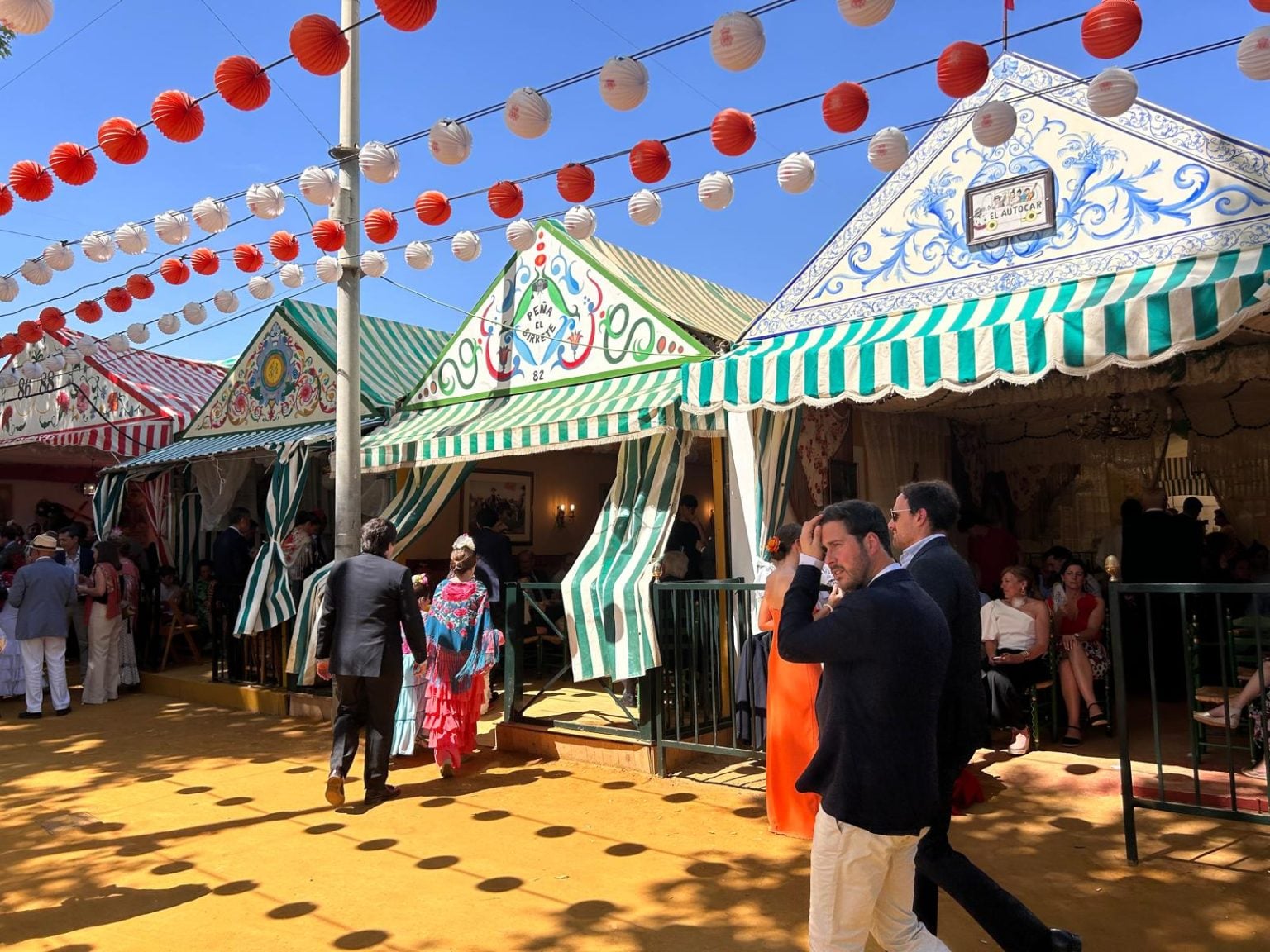
Today, it’s a sprawling maze of more than 1,000 casetas (tents), lined along streets covered in albero sand, illuminated by thousands of lanterns and filled with locals dancing sevillanas – a traditional dance performed with near-competitive intensity.
When and where
The unofficial start comes on Monday, April 20, with the traditional Pescaito dinner – a private, invite-only affair inside the casetas in which fried fish is the star.
Locals across Sevilla also host dinners at their homes, with queues outside fish mongers seen forming throughout the day.
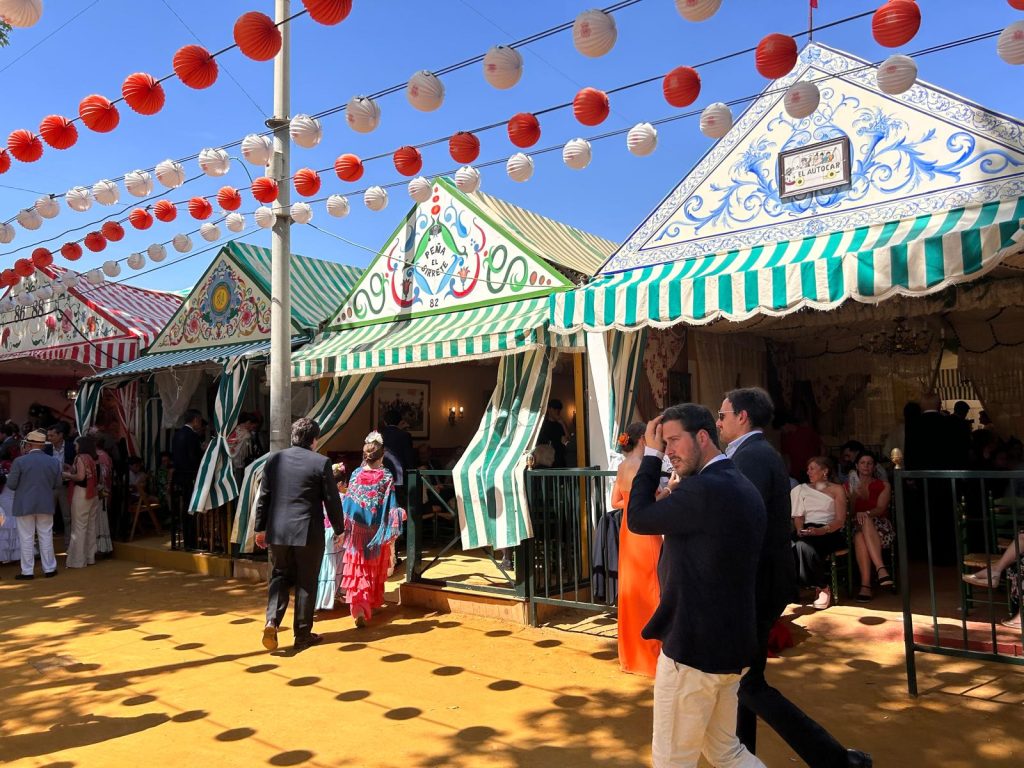
At midnight, the Feria officially begins with the Alumbrado, when thousands of lights flicker on across the fairground and the Portada (main gate) comes to life.
The busiest day is Wednesday, April 22, a local holiday when the Real is packed from midday to dawn.
The celebrations run through to Sunday, April 26, ending with a fireworks display over the Guadalquivir River.
The entire event takes place in Los Remedios – a purpose-built fairground complete with named streets, police presence and even ATMs for when the inevitable happens.
What to wear (and what not to)
At the Feria, dressing up is a serious part of the culture.
Women wear flamenca dresses: bold colours, polka dots and layers of ruffles. Men typically opt for smart outfits, such as suits during the day, shirts and trousers at night, with some going full traditional in traje corto.
Tourists aren’t expected to go all-in, but turning up in shorts and flip-flops is a fast track to standing out in a bad way.
Casetas: Private but not impossible
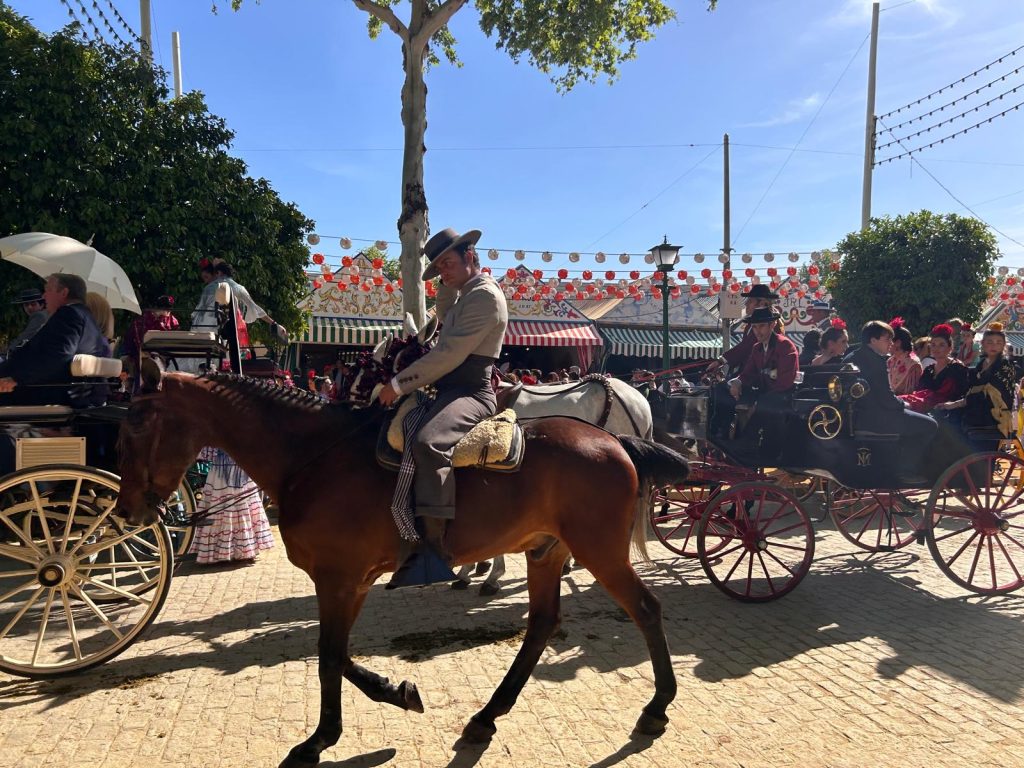
Most of the action happens inside casetas – where people eat, drink and dance – but the vast majority are private.
Many are owned by families or organisations, with waiting lists reportedly stretching decades.
That said, there are public casetas open to everyone, particularly those run by city districts. They may be slightly pricier, but the atmosphere is just as authentic.
Food and drink
Feria eating and drinking is somewhat of a marathon.
There are lots of montaditos, jamon and endless plates off fried fish, while nights often end with churros and chocolate.
The drink of choice is rebujito – a delicious (and lethal) mix of manzanilla wine and lemonade.
Getting there (and getting home)
The fairground is pedestrian-only, but access is relatively straightforward.
Special buses run throughout the week, while taxis are available, until they’re not. After midnight, demand explodes and many people end up walking.
Accommodation is another story. Hotels are typically booked months in advance, so late planners should look to areas like Triana or even nearby towns.
What’s different this year
Authorities are continuing to tighten organisation and security around the Feria.
Expect a stronger police presence, particularly around public areas, as well as stricter enforcement around filming – recording people without consent, especially if they are intoxicated, can land you in legal trouble.
There have also been improvements to facilities, including expanded toilet areas and ongoing efforts to reduce plastic waste.
Read more Andalucia news at the Spanish Eye.