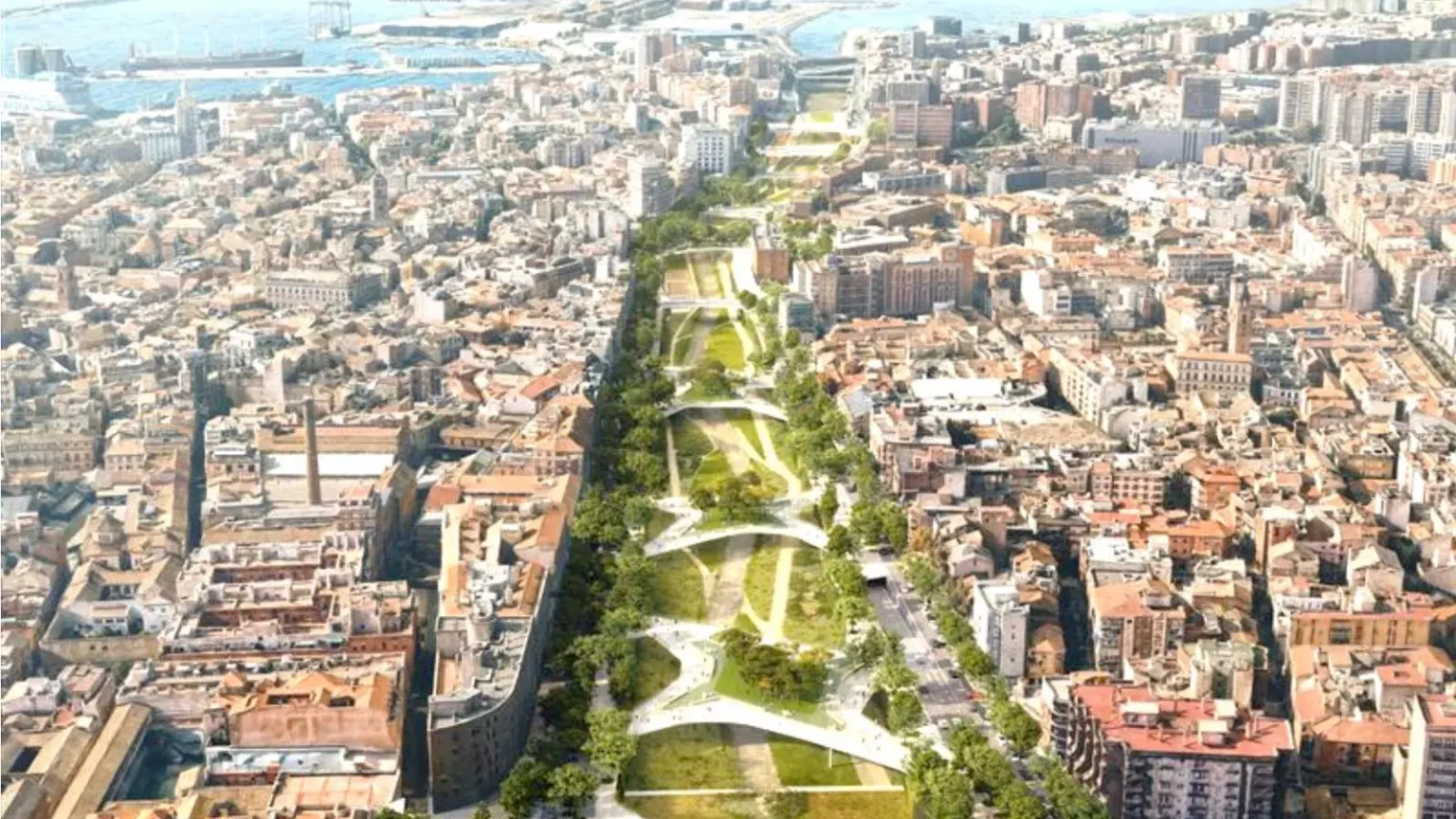

Malaga’s long-awaited plan to transform the Guadalmedina riverbed is finally gaining momentum.
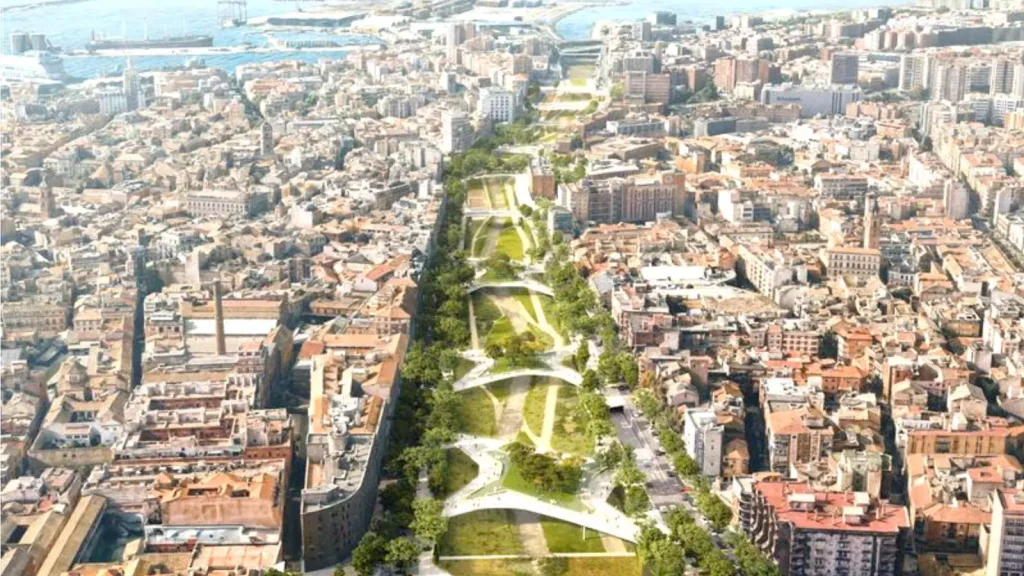
The city council has received the first draft of the master plan, which lays out a bold redesign: five ‘floating plaza-bridges’ suspended above the river, covering a total of 12,300 square metres.
The ambitious project comes with a €298.4 million price tag. Mayor Francisco de la Torre is now seeking funding from European institutions, the central government, and the Junta de Andalucia to move it forward.
Two new tunnels are also included in the plan to redirect traffic underground along Avenida de Fátima, Pasillo de Santa Isabel and Avenida de La Rosaleda, making way for new green boulevards on the surface.
If all goes to plan, groundwork could begin in 2027, the same year as the next municipal elections. But that timeline depends on everything moving seamlessly.
The draft must be completed by the end of 2025, followed by a 20-month tender and design phase costing €6 million. The initial feasibility study was awarded to Esteyco for €302,000.
Construction timeline and phases
Construction is projected to last 40 months, or just over three and a half years, though works will be split into two overlapping phases:
If all deadlines are met and funding secured, the full project could be completed between 2029 and 2030.
Beneath the plaza-bridges, the city plans to create a sprawling 76,000m2 urban park, with shaded zones and green walkways.
Hydraulic flow remains a top priority. Studies commissioned by Emasa and Malaga’s Urban Planning Authority have modelled several flow scenarios to ensure the modified riverbed can handle up to 460 cubic metres per second, factoring in runoff from upstream tributaries and in line with updated flood safety regulations from the Andalusian Water Authority.
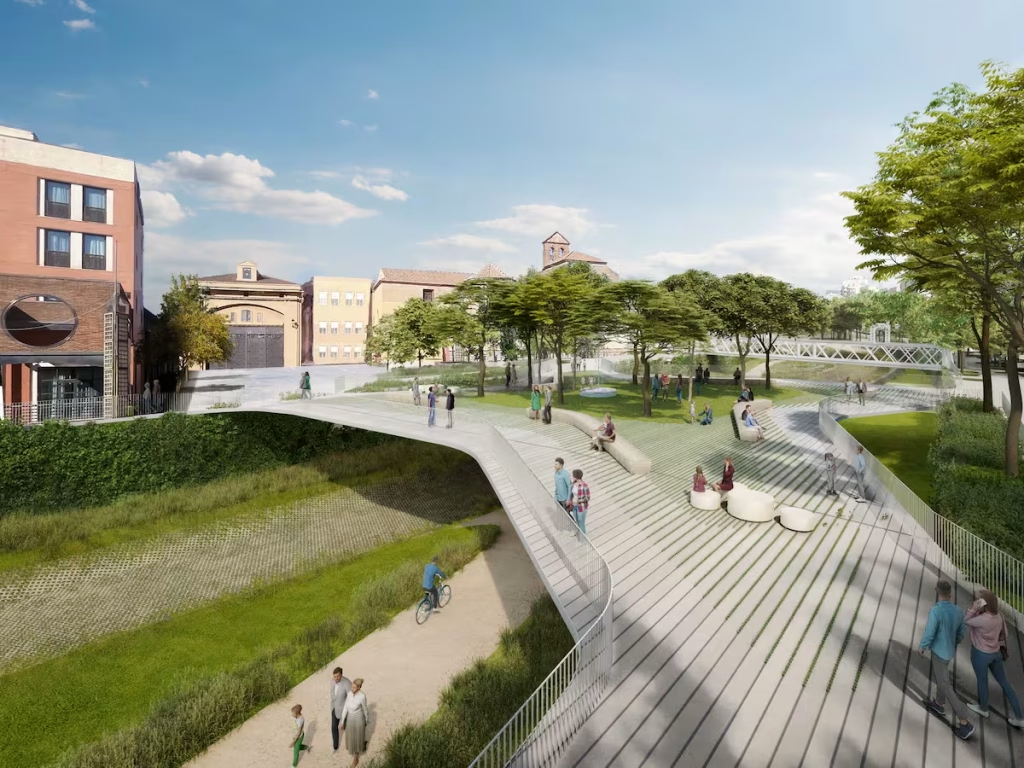
A green corridor
The full scope of the plan includes a 1.4-kilometre linear park, stretching along the revitalised riverbed, with 48,000m2 of green space and over 600 new trees planted throughout.
The design combines public space with a renaturalised central channel — a mix of native plants, grass, and small irrigation canals.
To make the plazas and green corridors possible, surface traffic must be diverted underground. The city plans two cut-and-cover tunnels (similar to those used in the Málaga Metro).
These tunnels would free up space above for new pedestrian boulevards, reconnecting parts of the city long divided by traffic.
Read more Costa del Sol news at the Spanish Eye.