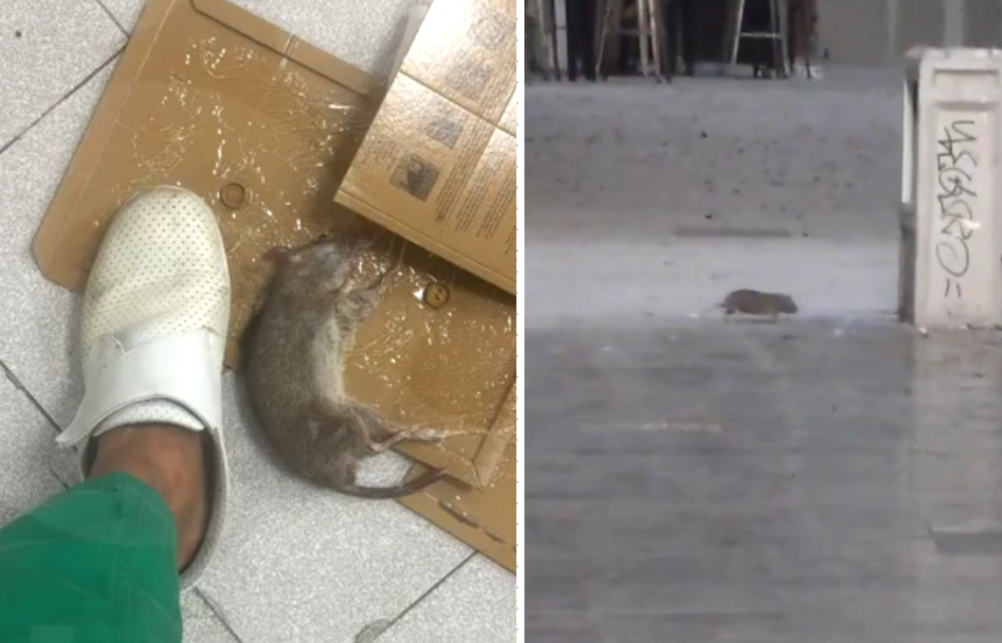

The number of rat complaints is growing across Malaga city, experts have warned, partly thanks to genetic mutations that have made them more immune to some pesticides.
The presence of rodents in the Costa del Sol capital is nothing new, but the sightings are becoming more frequent and widespread.
Locals are reporting infestations not just in parks and abandoned lots, but in trees, gardens, building entrances and even inside their homes, reports local respected newspaper La Opinion de Malaga.
According to Spain’s National Association of Environmental Health Companies (ANECPLA), Malaga has now joined the growing list of cities experiencing a sharp rise in rat-related complaints and callouts.
‘The number of reports is going up,’ said Sergio Monge, president of ANECPLA.
‘The data shows a significant increase in citizen complaints, and pest control companies in Malaga province are seeing a clear rise in intervention requests. This is a public health issue.’
Rats are known carriers of more than 30 diseases, including leptospirosis, hantavirus and toxoplasmosis.
Their ability to adapt quickly, breed rapidly and infiltrate buildings and sewage networks makes them one of the most persistent urban pests to manage.
‘These animals are incredibly resilient and opportunistic,’ Monge added. ‘Anywhere they find food and shelter, they settle in.’
ANECPLA points to two key reasons behind the current spike.
First, rats are developing biological resistance to many of the rodenticides used to control them, especially the widely-used anticoagulant types.
‘It’s a genetic mutation that’s becoming more common, making some rats immune to what used to be the most effective treatments,’ explained Monge. ‘This is seriously undermining standard pest control efforts.’
Second, updated EU regulations have tightened restrictions on how such chemicals can be used, limiting both the concentration levels and methods of application, whether professionally or in domestic settings.
‘These legal changes, while well-intentioned, are complicating how we fight infestations,’ says Monge.
ANECPLA stresses that this is not a problem with an easy solution. While pest control is part of the answer, prevention is equally important.
‘Managing waste properly is crucial,’ said Monge. ‘Don’t leave food scraps accessible, keep drains sealed, replace broken lids, and make sure rats stay in the sewers, where they belong, not in residential areas.’
Read more Costa del Sol news at the Spanish Eye.