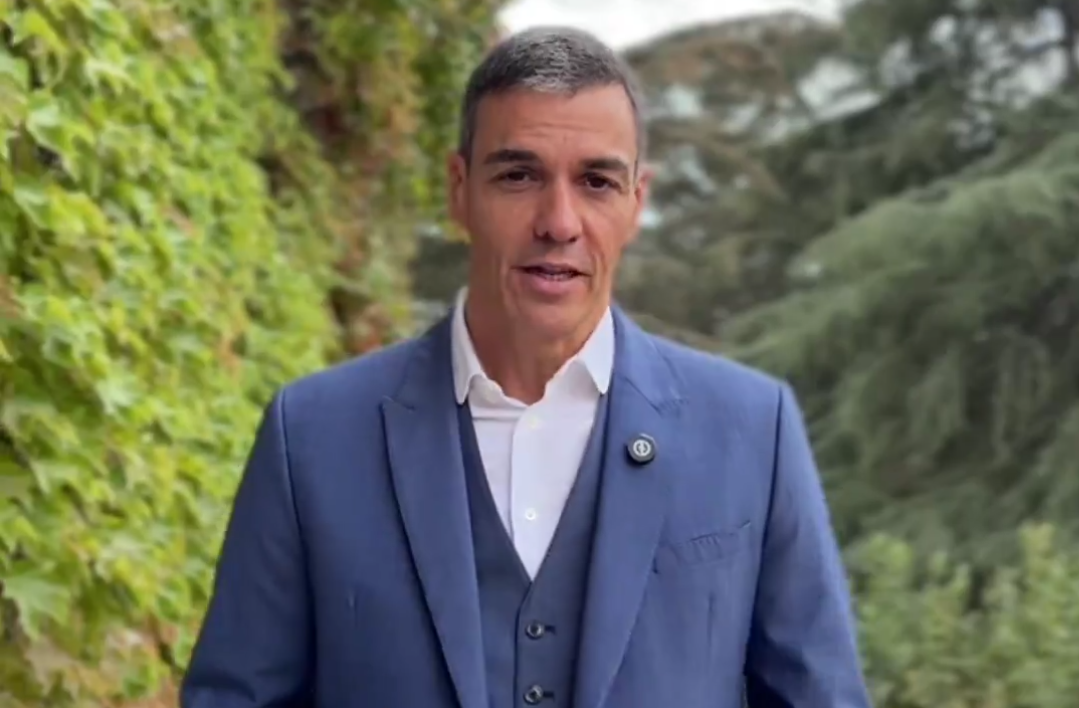

Spain is calling on the EU to finally scrap the twice-yearly clock change, with Prime Minister Pedro Sanchez branding the practice ‘pointless’ and ‘outdated.’
‘It makes no sense to keep changing the clocks twice a year,’ the PSOE leader said in a video message shared on social media, arguing the system no longer brings energy savings and disrupts people’s health.
Backed by a growing body of scientific evidence and strong public support, the Spanish government says the clock change is a relic of the past that should be dropped for good.
With the EU’s current time-change regulation set to expire in 2026, Spain sees now as the time to act.
‘This is a moment of common sense, of wellbeing, and of aligning policy with science,’ said a government statement.
The science and the symptoms
Originally introduced in 1980 to conserve energy and align time zones across the European Economic Community, the daylight saving system is now seen as outdated.
Shifts in technology, energy use, and modern lifestyles have rendered the measure largely ineffective, according to officials.
More critically, health experts argue that the clock changes are actively harmful. Multiple studies link the time shift to sleep disturbances, biological rhythm disruptions and even a spike in health emergencies.
One recent study found that daylight saving time contributes to thousands of strokes each year, leading researchers to recommend keeping winter time permanently.
‘Scientific consensus tells us there is no longer an energy benefit, what we do know is that this disrupts biological rhythms for millions of people,’ Sanchez said.
What the public thinks
Public sentiment is firmly behind the move. A massive EU-wide consultation in 2018 saw 84% of participants, including 4.6 million citizens, support ending daylight saving time.
In Spain, the 2022 CIS barometer showed that 65% of Spaniards favour dropping seasonal clock changes altogether.
However, opinion is more divided on which time setting to adopt permanently. Scientists recommend winter time, as it better aligns with human circadian rhythms. But most Spaniards – 70%, according to the same CIS survey – prefer summer time, which allows for longer daylight in the evenings.
What’s blocking the change?
Although the European Parliament backed the proposal in 2019 with 63% of MEPs voting in favour, the plan has been stalled by the European Council, where a qualified majority is needed to implement it across member states.
Spain’s government is now urging Brussels to act. ‘Two in every three Spaniards want this done. The Commission and Parliament already agreed, what’s missing is political will from the Council,’ the statement reads.
What comes next?
With the EU’s daylight saving rules due for review in 2026, the coming year could prove decisive. Spain is pushing for a clear decision, ideally one that reflects scientific evidence and public opinion.
But with EU states still divided over which time standard to adopt (summer or winter), consensus may remain elusive.
In the meantime, the clocks are still set to change this autumn. Whether it’s the last time remains to be seen.