
Andalucia has unveiled a €106 million plan to expand and modernise its cancer screening programmes, in what officials describe as one of the largest health prevention drives in years.
The initiative will strengthen early detection of colon, breast and cervical cancer, upgrade diagnostic technology in hospitals and local health centres, and fund the hiring of more than 700 additional healthcare professionals.
According to the Junta de Andalucia, the goal is to increase population coverage and ensure earlier diagnosis, which are key factors in improving survival rates.
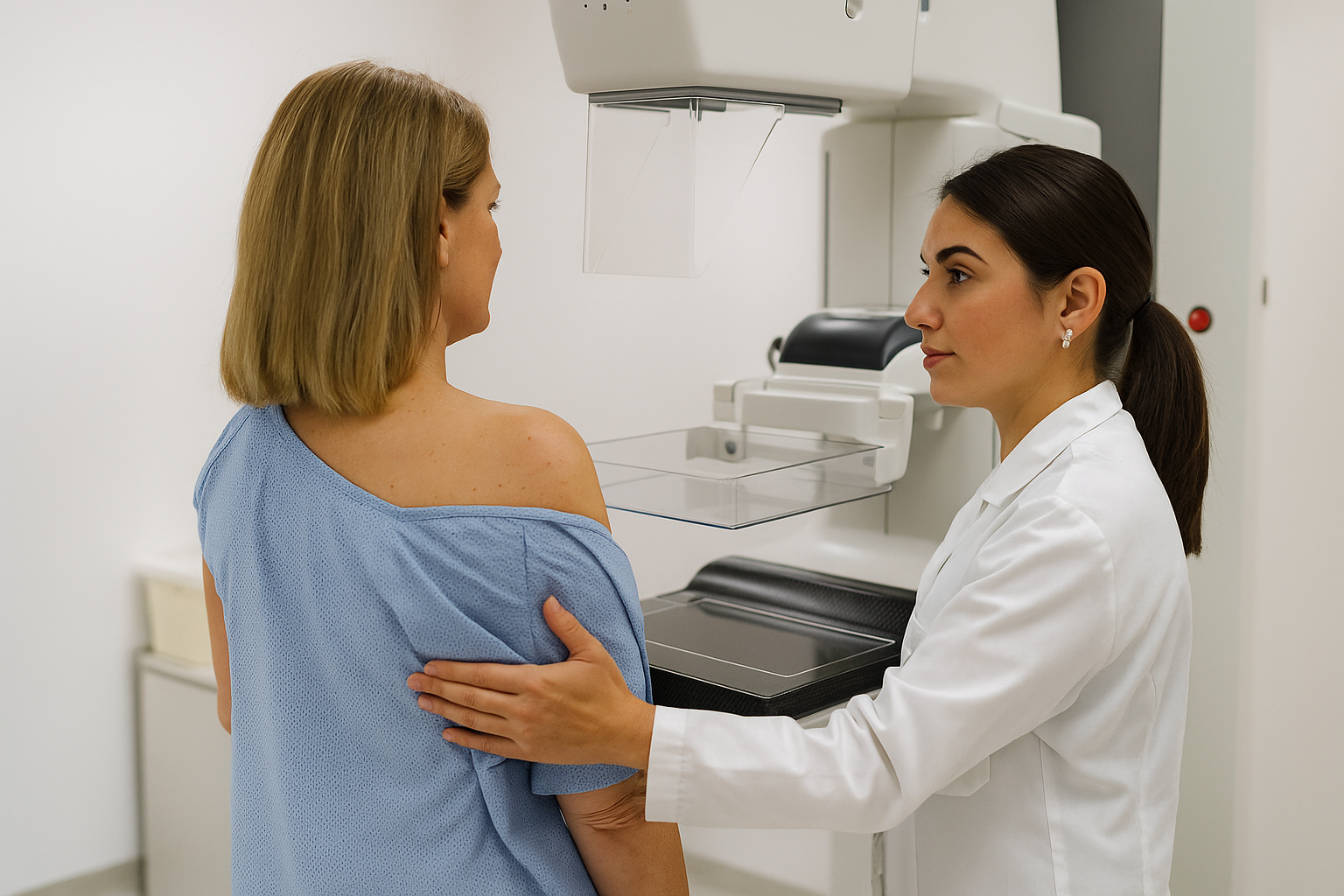
The plan, announced last week by the regional Ministry of Health, will support the rollout of digital mammography and endoscopy equipment, alongside the expansion of screening services to rural and underserved areas.
Officials say the funding will allow the health system to detect cancers at an earlier stage, when treatment outcomes are far more effective.
The plan forms part of the Comprehensive Cancer Screening Strategy (Plan Integral de Cribados) that the regional government is implementing for 2025–2028.
The €106 million package includes both infrastructure upgrades and new staff recruitment, focusing on radiologists, oncologists, nurses and laboratory technicians.
By expanding capacity, the Junta aims to reduce waiting times for diagnostic tests and follow-up care, while improving coordination between hospitals and primary care units.
Data from Spain’s national health surveys show that screening participation in Andalucia has been steadily increasing, but regional authorities want to bring the rate closer to the European average within the next few years.
Cancer remains one of the leading causes of death in southern Spain, yet survival rates continue to improve thanks to advances in early detection and treatment.