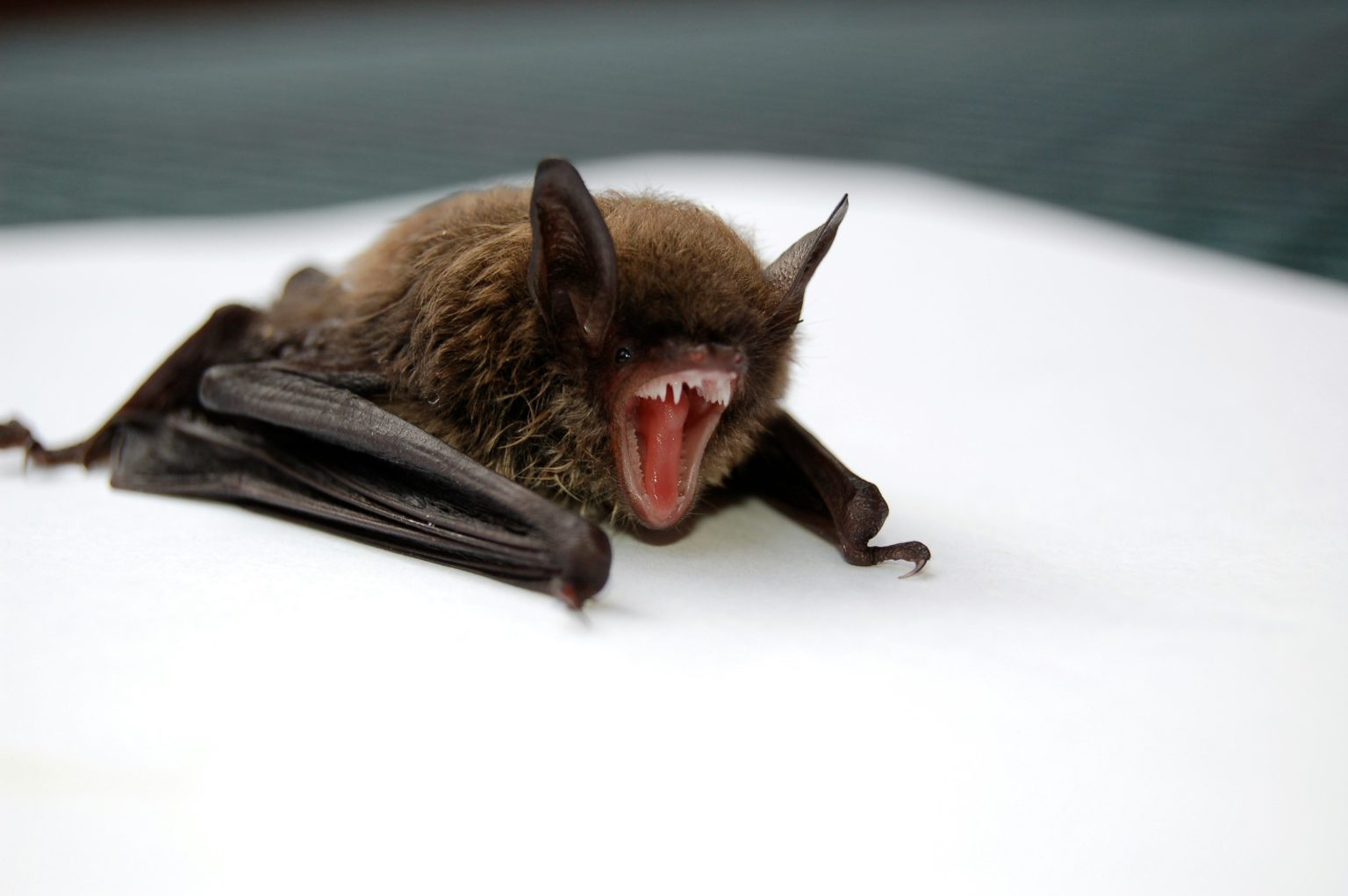

A team of Spanish researchers has identified eight complete coronavirus genomes in bats across various regions of Spain, including three previously unknown viral species.
The discovery, published in PLoS Pathogens, raises fresh concerns about zoonotic transmission and the potential emergence of future viral outbreaks.
Led by the Institute for Integrative Systems Biology (I2SysBio) – a joint initiative of Spain’s National Research Council (CSIC) and the University of Valencia (UV) – in collaboration with the Cavanilles Institute of Biodiversity and Evolutionary Biology, the project represents the most extensive survey to date of coronavirus diversity in Spanish wildlife.
The team sequenced samples from the faeces of over 23 bat species across the country.
The goal was to map the landscape of coronaviruses that naturally circulate in bat populations, which are known reservoirs for many viruses with pandemic potential.
Among the standout findings is a virus dubbed RhBetaCoV-Murcia2022, a betacoronavirus genetically related to SARS-CoV-2.
Though not identical, the strain shares the ability to bind to ACE2, the same receptor used by the virus that causes COVID-19.
However, its affinity for ACE2 is significantly lower, which may limit its ability to infect human cells.
Phylogenetic analysis revealed that several of the newly identified viruses closely resemble coronaviruses previously found in bats in Asia and elsewhere in Europe, suggesting a shared evolutionary origin and active cross-regional circulation of similar viruses.
While the discovery of a virus related to SARS-CoV-2 is notable, researchers stress that shared receptors alone don’t make a virus dangerous.
‘Just because a virus can bind to ACE2 doesn’t mean it can infect humans,’ explained Jeremy Dufloo, a I2SysBio scientist involved in the study.
‘It must also replicate effectively, evade the immune system, and transmit between people.’
So far, the team has not managed to isolate or culture the virus in a lab setting, which limits the ability to test its pathogenic potential.
Studying these viruses in their natural context before they cross into humans is key to anticipating and preventing future pandemics.
Beyond public health, the research opens new doors for drug development. By studying how viruses interact with receptors like ACE2, scientists can begin to design antiviral drugs that block viral entry into human cells.
The study was supported by multiple European and national science bodies, including the European Research Council (ERC), Spain’s Ministry of Science and Innovation, the Valencian regional government, EMBO, and the Marie Skłodowska-Curie Actions.
Read more Andalucia news at the Spanish Eye.