
Spain is confronting another railway catastrophe just nine months after the Adamuz disaster in Cordoba claimed 46 lives.
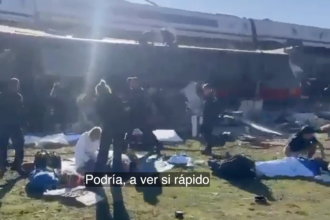
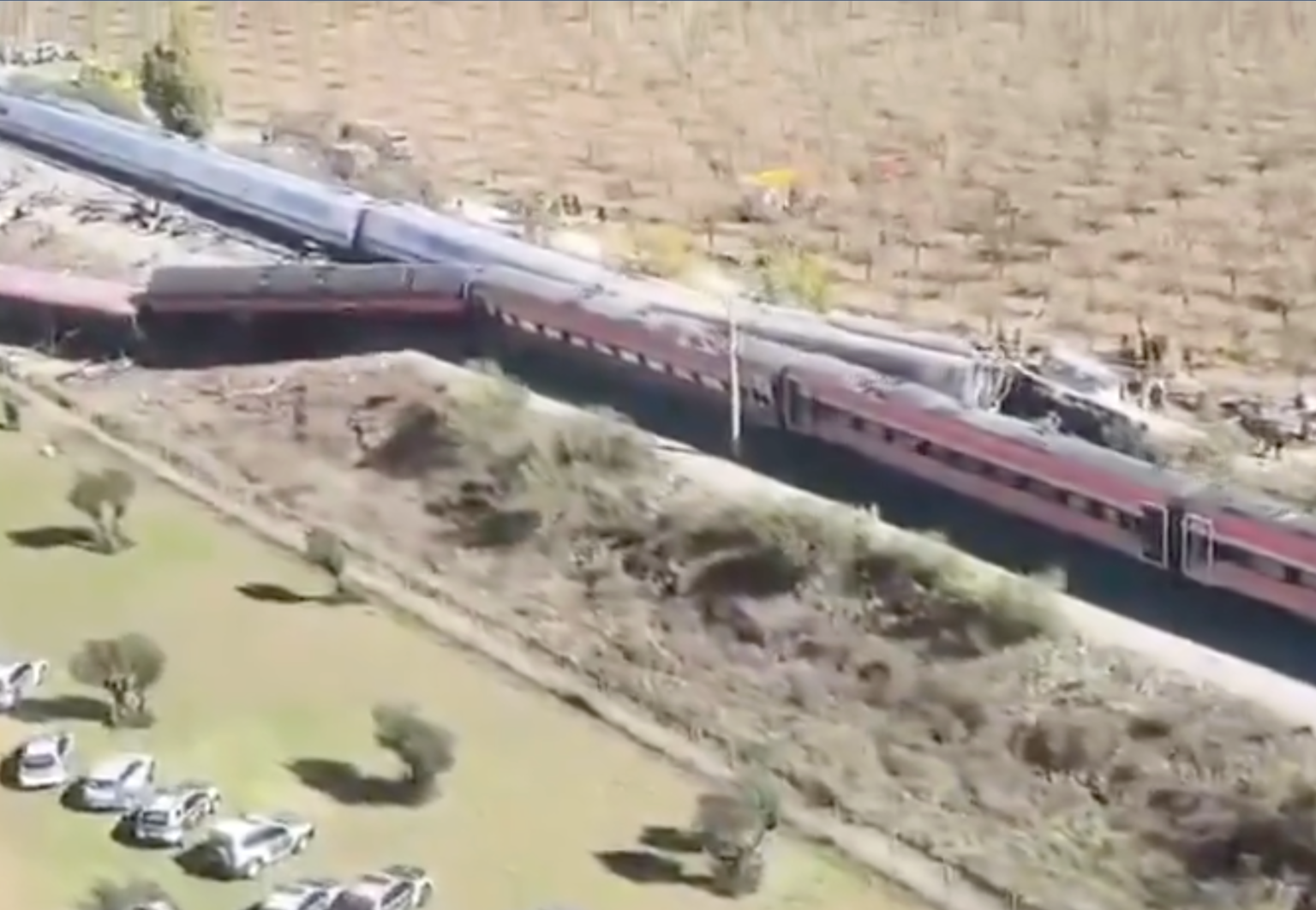
At least 64 people are reported to have died after a Renfe AVE collided with an Iryo train near Urda, Toledo, on Wednesday morning.
The crash has halted high-speed services between Madrid and Andalucia and raised urgent questions about signalling systems and the instructions given before the collision.
Where and when did the trains collide?
The accident happened at 8.54am on October 28, at kilometre 118 of the Madrid-Sevilla high-speed line, near Urda.
According to the Transport Ministry’s initial account, the Renfe train struck the rear of a stationary Iryo service. Two Iryo carriages derailed and fell down an embankment.
Where were the passengers travelling?
Both trains were heading from Madrid to Sevilla, despite some early reports suggesting they were travelling in opposite directions.
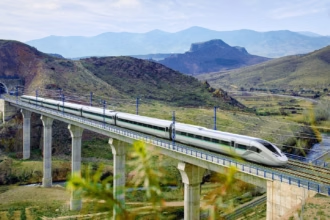
Iryo service 6076 left Madrid’s Puerta de Atocha station at 7.54am, carrying 147 people. It was scheduled to reach Sevilla Santa Justa at 10.33am.
Renfe AVE 2080 departed six minutes later, at 8am, with 397 passengers. Its scheduled arrival was 10.39am.
Together, the trains were carrying 544 passengers.
What is known about the casualties?
The latest account supplied puts the provisional death toll at at least 64.
Reports have given conflicting injury totals, including an earlier figure of more than 179 and a subsequent account of more than 80, of whom 50 were seriously injured.
The toll could change as rescue work and identifications continue.
What might have caused the crash?
Investigators are examining a possible combination of a signalling failure and human error in railway traffic control.
Initial reports suggest the LZB automatic train-protection system was unavailable and services were operating under alternative signalling arrangements.
One hypothesis is that an Adif controller authorised the Renfe train to proceed despite the Iryo remaining stationary ahead.
Which questions remain unanswered?
Investigators must establish why the Iryo stopped, what information its driver communicated, and what instructions were subsequently issued to the Renfe service.
They must also determine which safety systems were functioning and why they did not prevent the collision.
The AVE’s speed at impact remains unconfirmed. Suggestions that it exceeded 100km/h are preliminary estimates attributed to railway sources, rather than verified measurements.
The train’s onboard recording equipment should help establish its speed, braking and other operational details.
Which rail services are affected?
Adif has suspended high-speed traffic between Madrid and Andalucia, affecting the corridor through Ciudad Real towards southern Spain.
No confirmed reopening time was included in the information available for this update.
Passengers should check their operator’s notices before travelling. Renfe has announced free changes and cancellations for affected services.
What about flights?
There are now very few flights available between Madrid and Sevilla as people with intentions to travel by train rushed to purchase plane tickets.
Iberia has announced that will not hike prices on the route.
How are emergency services responding?
Castilla-La Mancha has activated level two of its regional emergency plan, Platecam.
Firefighters, Civil Protection personnel, medical helicopters and mobile intensive care teams have been deployed. The Military Emergencies Unit, UME, has also been mobilised to support rescue operations.
Andalucia has sent additional medical resources, while hospitals in Toledo, Alcazar de San Juan and Ciudad Real have postponed non-urgent operations to prioritise casualties.
Where can families get help?
Renfe’s dedicated number is 900 10 10 20, exclusively for affected passengers and victims’ relatives.
Sevilla City Hall has established a support point beside Santa Justa station, staffed by four psychologists, and is offering accommodation to relatives who need it.