Common error could be stripping your olive oil of its health benefits, warns Malaga doctor
The cardiologist explained that although olive oil is rich in antioxidants and beneficial compounds associated with cardiovascular health, improper storage can cause these substances to deteriorate.
Olive oil is a staple of the Mediterranean diet, but a Spanish cardiologist has warned that a common kitchen habit could be reducing its health benefits.
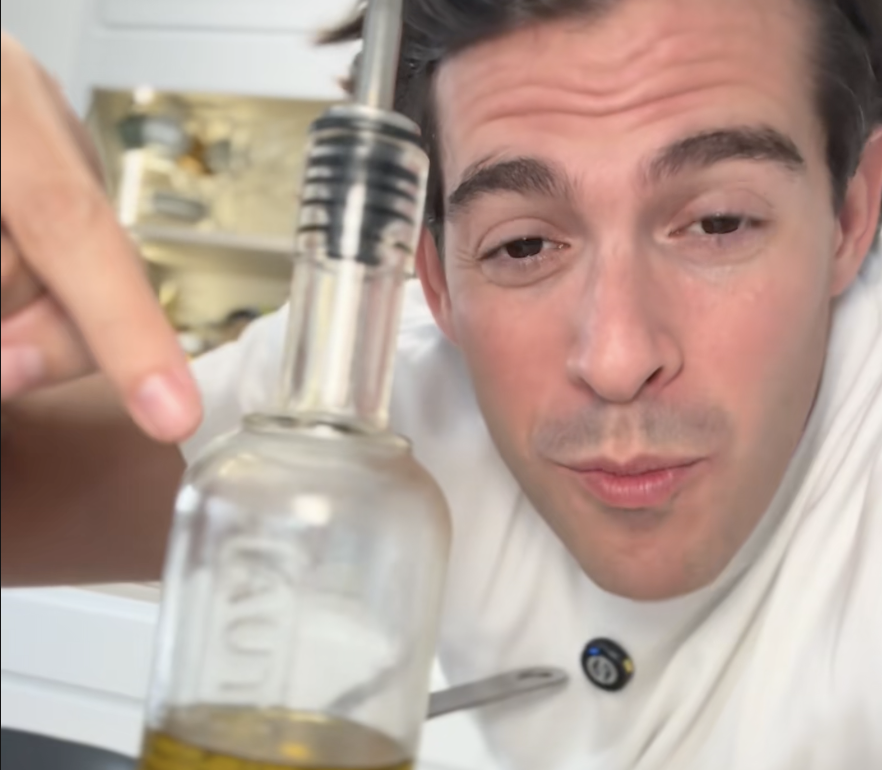
Dr Aurelio Rojas says many people make the mistake of leaving their bottle of olive oil next to the hob, exposing it to repeated changes in temperature.
The cardiologist explained that although olive oil is rich in antioxidants and beneficial compounds associated with cardiovascular health, improper storage can cause these substances to deteriorate.
‘If you’re using olive oil like this, I’m sorry to tell you, but you’re doing it wrong,’ he warned in a video shared on Instagram.
‘Olive oil is liquid gold for our hearts, so buying good olive oil and then doing this doesn’t make much sense.’
According to Rojas, the problem is the combined effect of heat, light and oxygen, which gradually break down the oil’s bioactive compounds.
¿Estás utilizando bien el aceite de oliva? 🫒 El aceite de oliva virgen extra (AOVE) es una de las mejores grasas que podemos utilizar para cocinar y uno de los pilares de la dieta mediterránea. Pero hay varios errores muy habituales que pueden hacer que vaya perdiendo parte de sus propiedades. El primero es tener la botella al lado de los fogones o expuesta a la luz. El calor, la luz y el oxígeno favorecen su oxidación y la pérdida progresiva de algunos de sus compuestos antioxidantes. Mejor guardarlo bien cerrado, protegido de la luz y lejos de fuentes de calor. El segundo es pensar que el AOVE solo debe utilizarse en crudo. No. Puedes cocinar con aceite de oliva virgen extra. Su elevado contenido en ácido oleico y la presencia de antioxidantes hacen que tenga una buena estabilidad frente al calentamiento. Eso sí: una cosa es cocinar y otra sobrecalentar el aceite hasta que humee o reutilizarlo una y otra vez. Cuanto mayor es la temperatura y más ciclos de calentamiento acumula, mayor es su degradación y la pérdida de polifenoles. Y otro detalle importante: que sea saludable no significa que haya que utilizarlo sin medida. Una cucharada de aceite de oliva aporta aproximadamente 120 kcal. Así que quédate con esto: 🫒 AOVE, sí. 🔥 Para cocinar, también. 🌑 Protegido de luz y calor. ♻️ Evita calentarlo repetidamente. 🥄 Y controla la cantidad. Tenemos uno de los alimentos más estudiados de la dieta mediterránea. No hace falta tenerle miedo ni convertirlo en un alimento milagroso: simplemente aprender a utilizarlo bien. Ahora mira dónde tienes guardada la botella de aceite en tu cocina… 👀 Y mándale este vídeo a esa persona que la tiene justo al lado de los fogones 😂 Referencias científicas: • Casal S, et al. Food Chem Toxicol. 2010;48:2972-2979. • Pérez Córdoba R, et al. Food Res Int. 2023;172:113191. • Schwingshackl L, et al. Nutrients. 2019;11:2039. • Guasch-Ferré M, et al. J Am Coll Cardiol. 2022;79:101-112.
These include polyphenols, naturally occurring antioxidants that contribute to some of extra virgin olive oil’s recognised health benefits.
Where should you keep olive oil?
Rojas recommends putting the bottle away immediately after use rather than leaving it beside the cooker.
Ideally, olive oil should be stored in a cool, dark and dry cupboard, away from direct sunlight and sources of heat.
Keeping the bottle tightly closed also helps limit exposure to oxygen, which can accelerate oxidation.
The advice does not mean olive oil is unsuitable for cooking.
Rather, it highlights the importance of storing it correctly between uses to preserve its quality, flavour and beneficial compounds.
- Advertisement -
With Spain among the world’s leading olive oil producers, the warning is particularly relevant to households where the product is used daily for everything from breakfast toast to frying and preparing traditional Mediterranean dishes.
Laurence Dollimore has been covering news in Spain for over a decade. The London-born expat is NCTJ-trained and has a Gold Star Diploma in Multimedia Journalism from the prestigious News Associates. Laurence has reported from Spain for some of the UK's biggest titles, including the BBC, The Telegraph, Daily Mail, Mail on Sunday, The Sun and the Sun Online. He also has a Master's Degree in International Relations from Queen Mary University London.