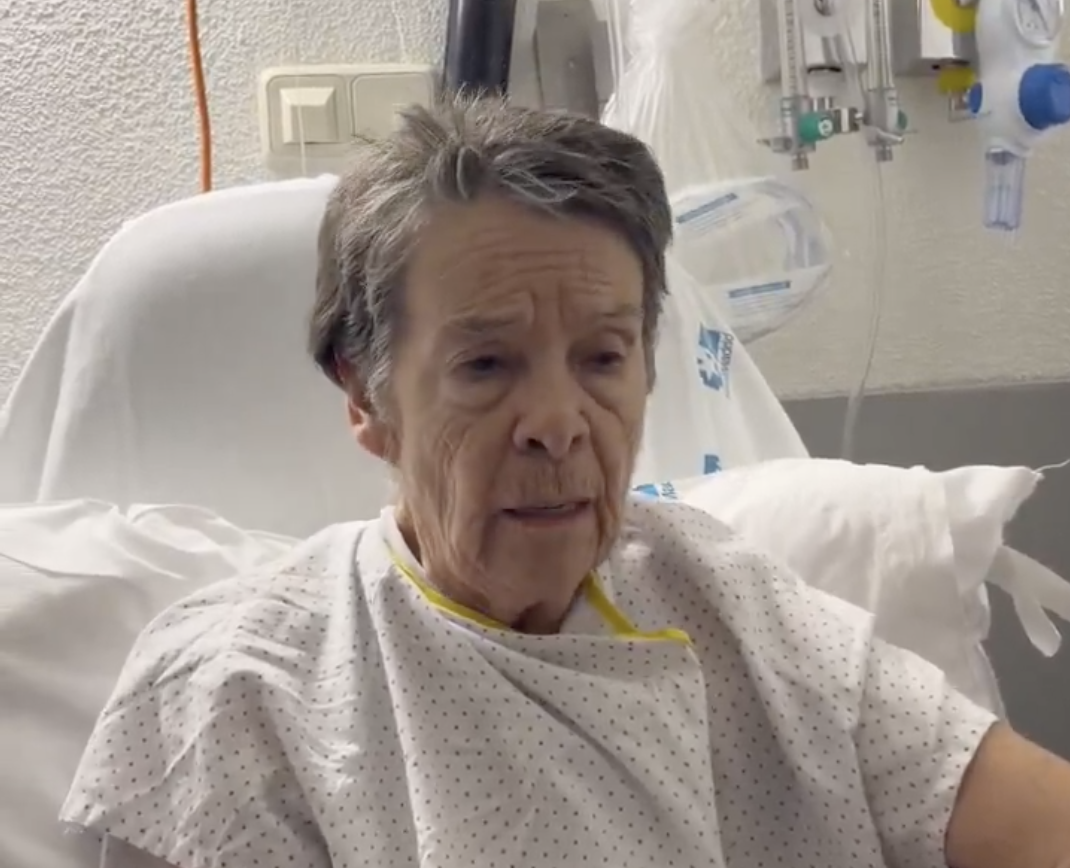

An 87-year-old woman evicted from the Madrid home where she had lived for more than seven decades has become the face of Spain’s housing crisis.
Maricarmen Abascal had lived in the property in the Retiro district since 1956, when she moved there with her parents at the age of 16.
Now a wheelchair user, she was removed from the flat on Wednesday following years of legal proceedings and several postponed eviction attempts.
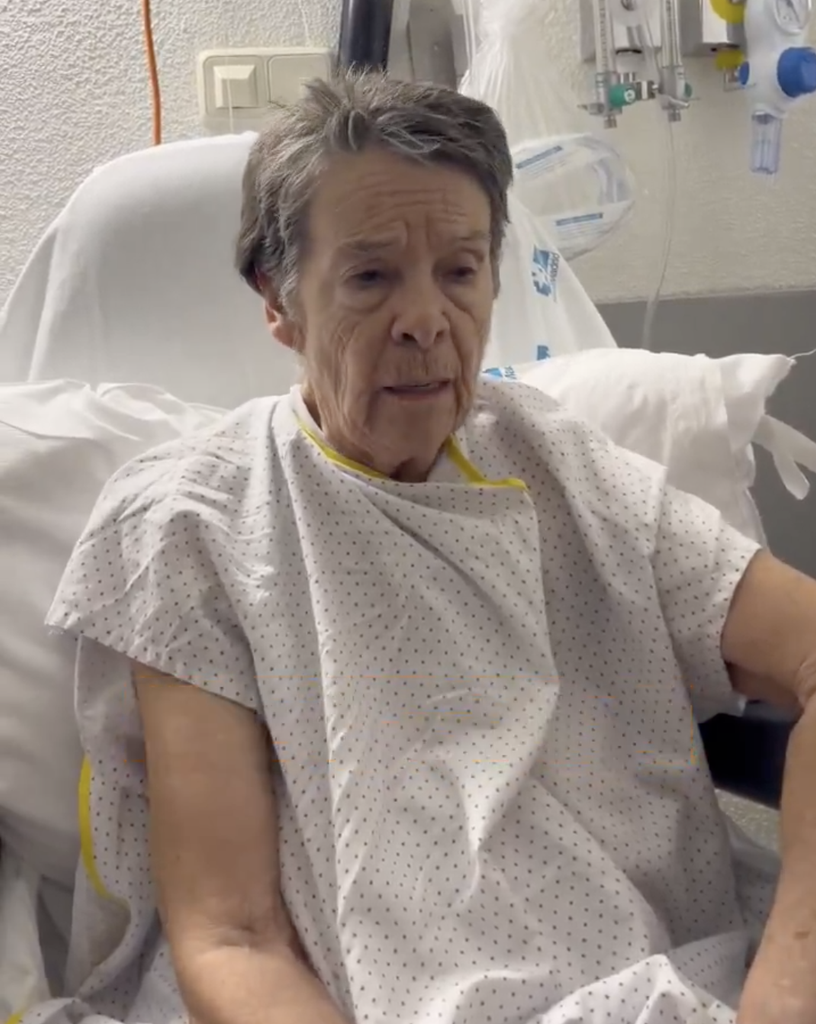
She was later admitted to hospital, where campaigners said she remained weak but accompanied by friends.
‘My house has been my life and now I have to leave it behind,’ she said in a video recorded from her hospital bed.
‘But that does not mean I will stop fighting.’
Why was Maricarmen evicted?
The dispute centres on an old rent-controlled tenancy agreement originally signed by Maricarmen’s father in 1956.
At that time, women in Francoist Spain faced legal restrictions that prevented Maricarmen’s mother from signing the contract as a joint tenant.
When her father died, the tenancy passed to her mother. Following her mother’s death in 2005, it was transferred for a second time to Maricarmen.
However, Spanish tenancy law restricts the number of times such historic contracts can be inherited. The current owner relied on that limitation to terminate the old agreement.
Maricarmen’s building was sold several years ago and the company that now owns her flat, Urbagestion Desarrollo e Inversion, reportedly sought monthly rent of €2,650.
That was more than five times the approximately €500 Maricarmen had been paying and almost double her monthly pension of €1,350, reports El Pais.
An anonymous writer offered to cover the difference between Maricarmen’s existing rent and the amount demanded by the landlord, as well as any outstanding debt.
However, no agreement was reached before the eviction went ahead.
The United Nations Committee on Economic, Social and Cultural Rights had called for the eviction to be suspended until suitable alternative accommodation was available.
Madrid authorities said housing and residential-care options had been offered, although Maricarmen and her supporters claimed they were either unsuitable or unaffordable.
Maricarmen’s eviction has become a rallying point for tenants’ groups, which argue that her case illustrates the human consequences of Spain’s soaring rents and insecure tenancy system.
The Madrid Tenants’ Union said it had received more than 2,000 membership enquiries following the case, as well as requests to establish new branches elsewhere in Spain.
Campaigners called for a major demonstration from Madrid’s Puerta del Sol to the Congress of Deputies on Saturday.
They are also promoting a package of reforms dubbed the ‘Maricarmen decree’.
Their proposals include automatically renewing rental contracts unless landlords can demonstrate a valid reason for ending them.
Where no such justification exists, campaigners want displaced tenants to receive compensation equivalent to one month’s rent for every year spent in the property.
The package also calls for rents to be frozen during annual reviews, tighter regulation of seasonal and room rentals and stronger measures to prevent evictions.
Spain’s coalition government is attempting to bring a delayed housing decree before the Council of Ministers on Tuesday, although it will require sufficient parliamentary support to survive a vote in Congress.
From hospital, Maricarmen thanked those who had tried to save her home and issued a message to other tenants facing eviction.
‘It couldn’t be stopped,’ she said, ‘but please, keep fighting.’