
The number of people infected with West Nile virus in Andalucia has risen to 26 after five more cases were detected over the weekend.
All of the confirmed human infections have so far been recorded in Sevilla province, according to the Junta de Andalucia’s health department.
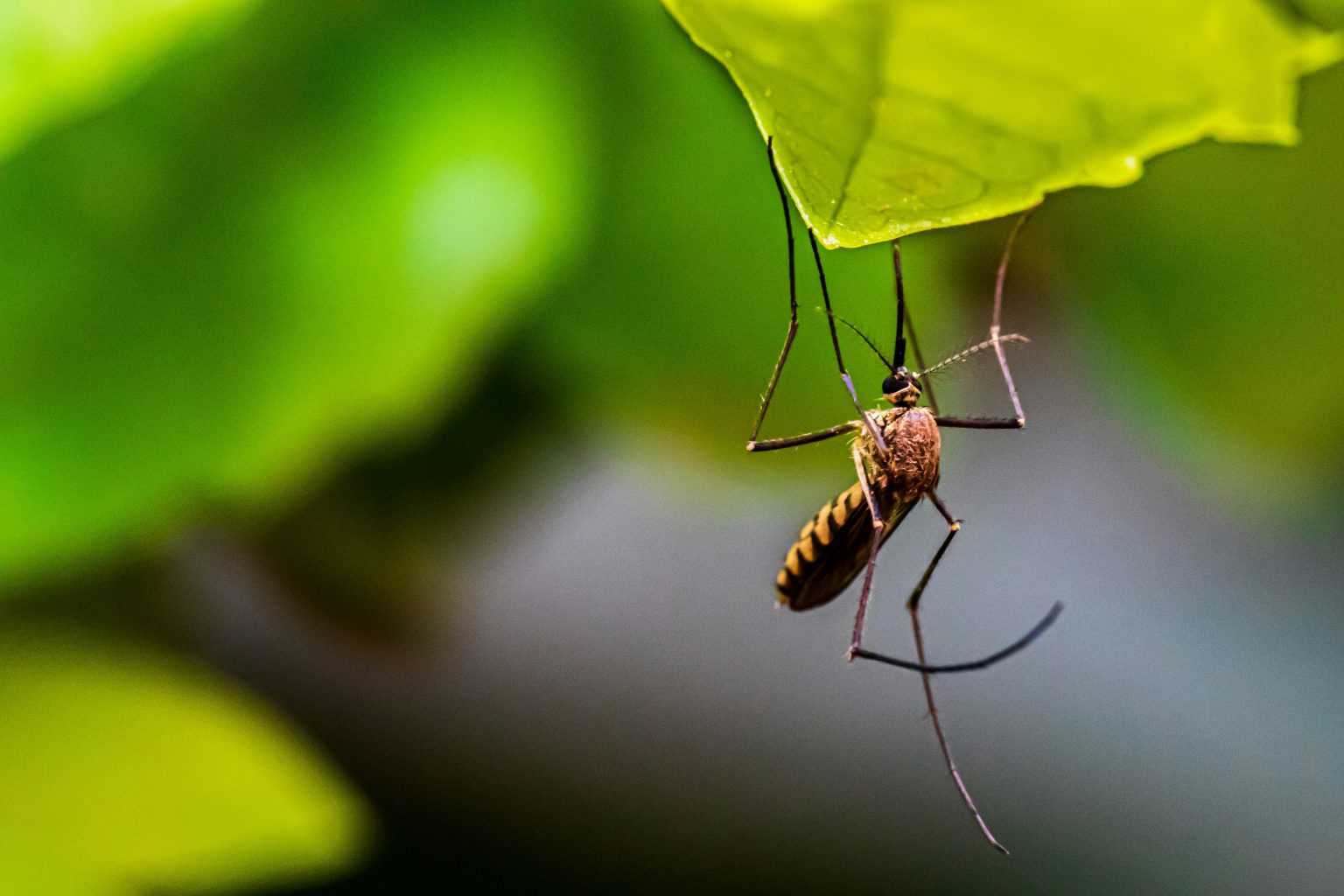
The virus, which is primarily transmitted to humans through the bite of infected mosquitoes, has now affected people across nine municipalities.
Of the 26 confirmed cases, 19 have produced mild symptoms, while seven patients have developed more serious neuroinvasive forms of the disease.
The latter group includes a person from Dos Hermanas who died after contracting the virus.
The five latest cases were detected in Almensilla, Dos Hermanas, Palomares del Rio and Villamanrique de la Condesa.
All four municipalities were already under alerts and had preventative measures in place.
Health authorities have carried out tests on a total of 358 people as part of Andalucia’s special West Nile virus surveillance programme.

Alerts across Andalucia
Around 20 municipalities and areas remain under alert, the vast majority of them in Sevilla province.
They include Almensilla, Aznalcazar, Benacazon, Bollullos de la Mitacion, Castilblanco de los Arroyos, Constantina, Coria del Rio, Dos Hermanas, Gelves, La Puebla del Rio, Mairena del Aljarafe, Palomares del Rio, San Juan de Aznalfarache, Sevilla city and Villamanrique de la Condesa.
Alerts are also active elsewhere in Andalucia, including Fuengirola, Las Lagunas in Mijas, Malaga city and Campanillas, as well as Salobreña in Granada province and Lopera in Jaen.
However, despite the wider alerts, Sevilla remains the only Andalucian province to have recorded human infections so far this year.
Why are there so many mosquitoes this year?
Weather conditions have created particularly favourable breeding conditions for mosquitoes in parts of western Andalucia.
Heavy rainfall during the winter followed by high temperatures in spring helped create an abundance of standing water and suitable habitats.
Rice fields around municipalities in the Bajo Guadalquivir are reportedly at 100% capacity, while wetlands in Doñana National Park have experienced what has been described as ‘exceptional flooding of the marshes’.
Authorities detected increased mosquito densities early in the season as a result.
Read more Andalucia news at the Spanish Eye.