
A tourist staying in a luxury hotel in Spain can consume as much as 1,000 litres of water per day during the peak holiday season, according to an environmental expert.
The extraordinary figure is between three and seven times higher than typical household consumption, amid growing concern over pressure on water supplies along Spain’s Mediterranean coast.
Maribel Cerezo, director of the Master’s Degree in Environmental Engineering and Management at the International University of Valencia (VIU), said luxury tourists can account for between 700 and 1,000 litres per person per day at peak times.
By comparison, average domestic water consumption in Spain stands at around 128 litres per person per day.
Cerezo examined the issue as part of a study into water stress along the Mediterranean coastline.
But she cautioned against simply blaming tourists for the problem.
Instead, she argued that Spain suffers from ‘clear mismanagement of resources and a deficit in infrastructure’, accusing authorities of leaving water management to ‘climatic improvisation’.
Five-star hotels average 500 litres per guest
Even outside the most extreme peaks, water consumption at luxury hotels can dwarf that of ordinary households.
At five-star establishments, average consumption is around 500 litres per guest per day, according to Cerezo.
The difference is partly explained by the substantial amounts of water required to maintain swimming pools, water features and large landscaped gardens.
Similar levels have been recorded in major Spanish tourism destinations.
In Palma de Mallorca, consumption is around 440 litres per tourist per day, with high levels also recorded in destinations including Granada and Tenerife.
The findings come as some of Spain’s most popular tourism regions grapple with how to maintain enormous visitor numbers while protecting increasingly strained water resources.
‘A sticking plaster’
Cerezo is particularly critical of communities becoming dependent on water tankers during periods of shortages.
The measure has been used in some coastal and island municipalities when existing infrastructure and supplies cannot meet demand.
She described tanker deliveries as a ‘sticking plaster that transfers the cost to the future’.
Underground water reserves are another major concern.
In Alicante province, Cerezo highlighted the Vinalopo aquifer system, where overexploitation can cause saltwater intrusion.
Once seawater contaminates an aquifer, she warned, deterioration of the water supply can become ‘practically irreversible on a human timescale’.
Hotels and golf courses shouldn’t be ‘criminalised’
Despite the huge quantities consumed by some resorts, Cerezo rejected the ‘criminalisation’ of hotels and golf courses.
She argued that the fundamental problem is how available water is managed and criticised the ‘politicisation’ of the issue.
The academic also warned against measures which ultimately place additional pressure on Spain’s agricultural sector.

She cited reductions to the Tajo-Segura water transfer through increases in mandatory ecological flows as an example, arguing that they hurt farmers in Murcia and the Valencian Community while increasing dependence on desalination.
Could Benidorm provide the answer?
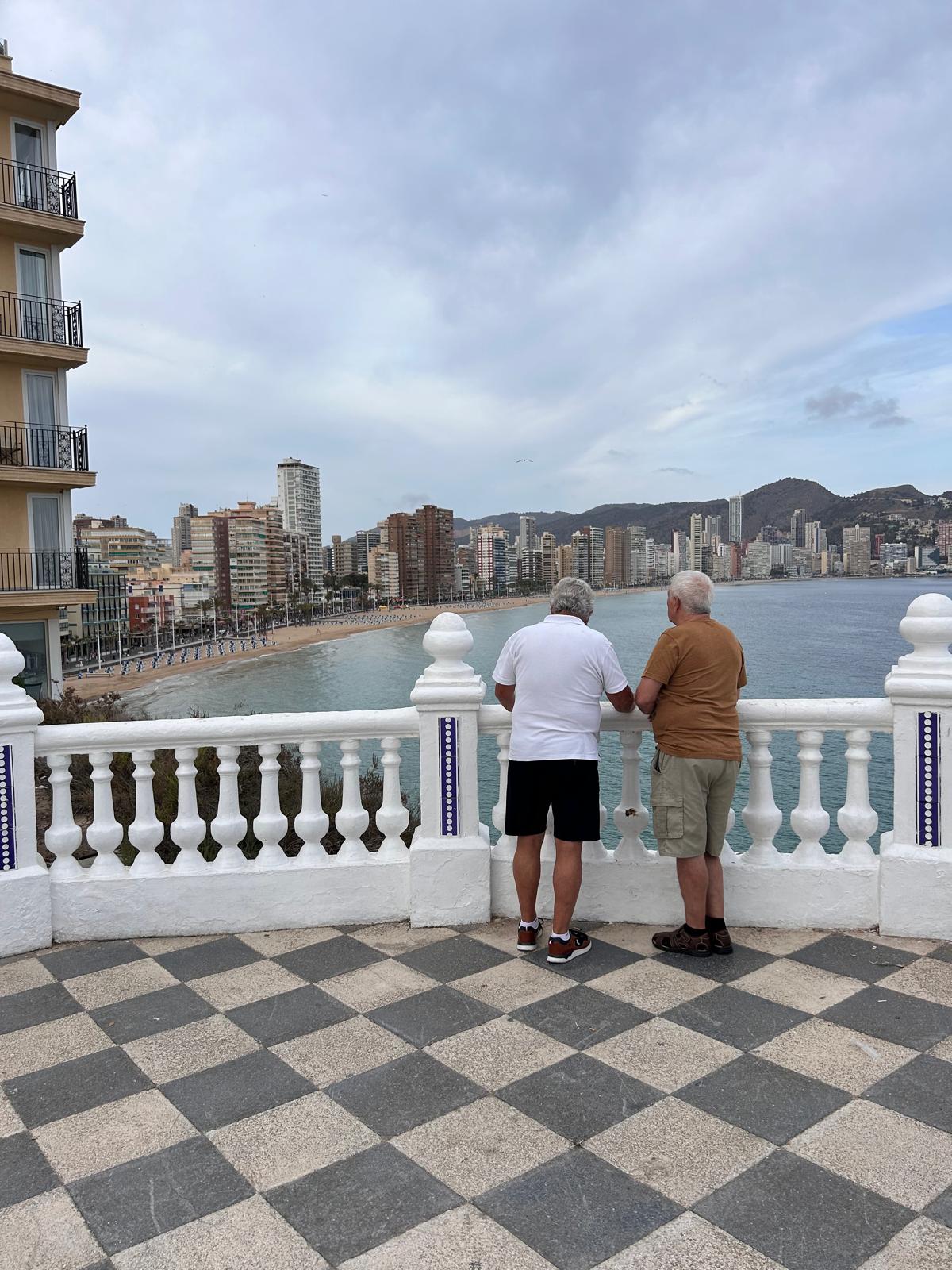
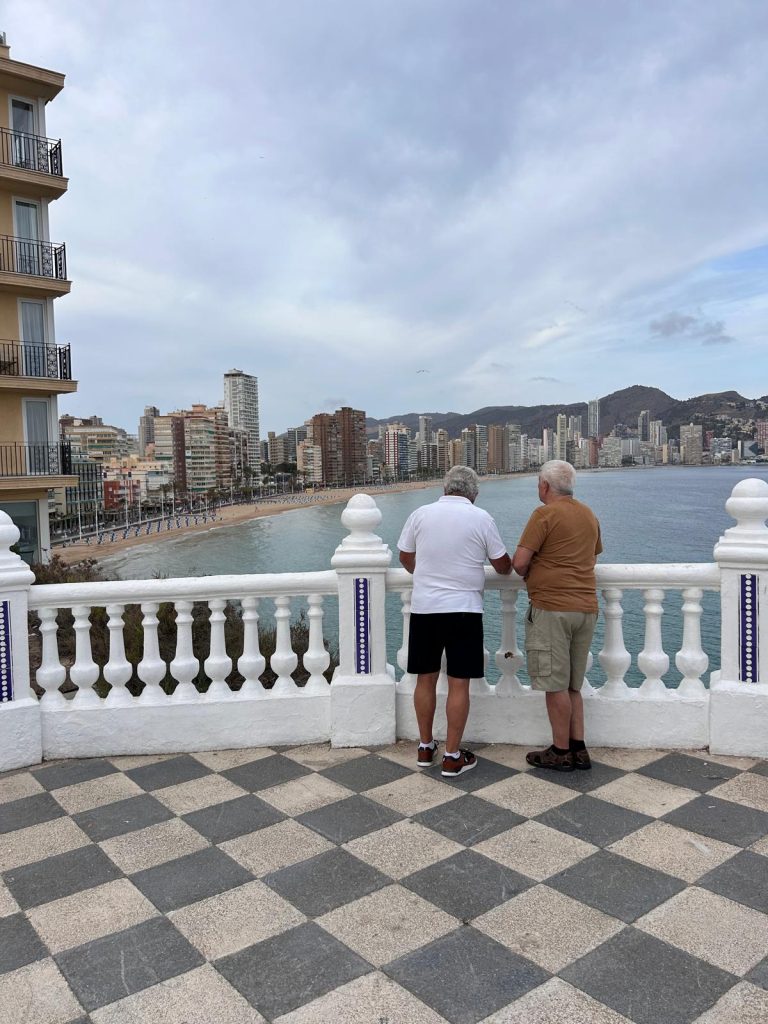
Cerezo points to Benidorm as an example of how a tourism hotspot can substantially improve its water efficiency without sacrificing its visitor economy.
The Costa Blanca resort has managed to reduce water consumption by 18% over the past 25 years, according to the expert.
Its water network has reached an efficiency rate of around 95%, while approximately 37% of wastewater is reused.
Cerezo argues that other destinations should pursue similar improvements rather than relying principally on restrictions when shortages emerge.
Among her proposals is greater use of greywater treatment in hotels, allowing water from sources such as showers and sinks to be treated and reused for appropriate purposes.
She also wants investment in telemetry and smart water meters accelerated so leaks and inefficient consumption can be identified much more quickly.
The issue is likely to become increasingly urgent.
Cerezo warns that current projections suggest global demand for water could exceed available supply by 40% by 2030, adding further pressure on destinations where millions of residents, tourists, businesses and farmers are already competing for a finite resource.