
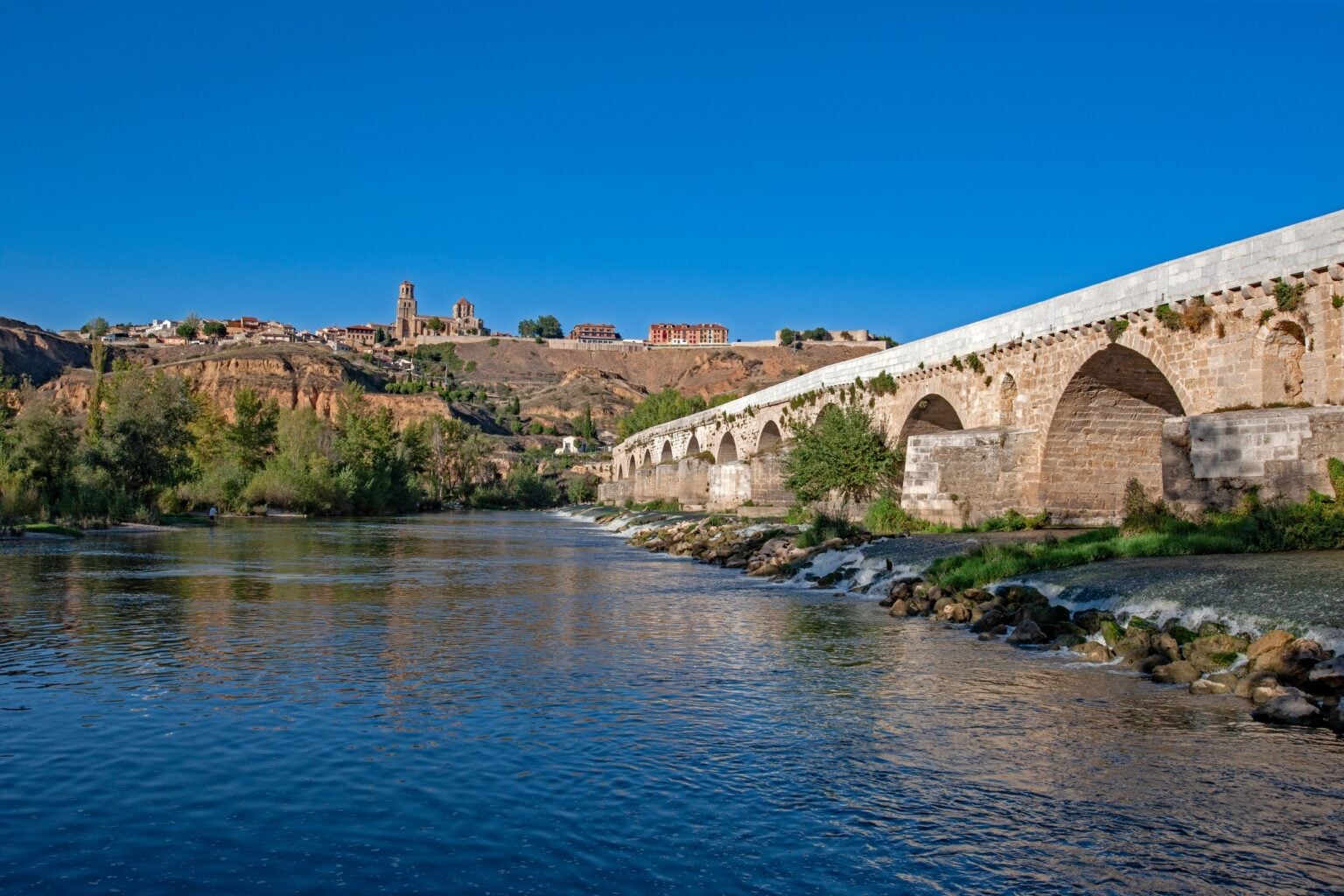

A total solar eclipse will be visible in the skies above Spain on August 12, but some regions will have a better view than others.
Unfortunately, this time around, Andalucia will not be among the best viewing locations, with that privilege reserved for more central and northeast regions.
Although the eclipse will still be visible across the country, it is Castilla y Leon that lies in the most ideal path to see the Moon completely cover the Sun just before sunset.
The eclipse will coincide with the peak of the annual Perseid meteor shower and is expected to draw thousands of skywatchers from across Europe.
If you’re planning to experience the event, Viajar magazine has listed 10 of the best towns to consider.
Arevalo (Avila)
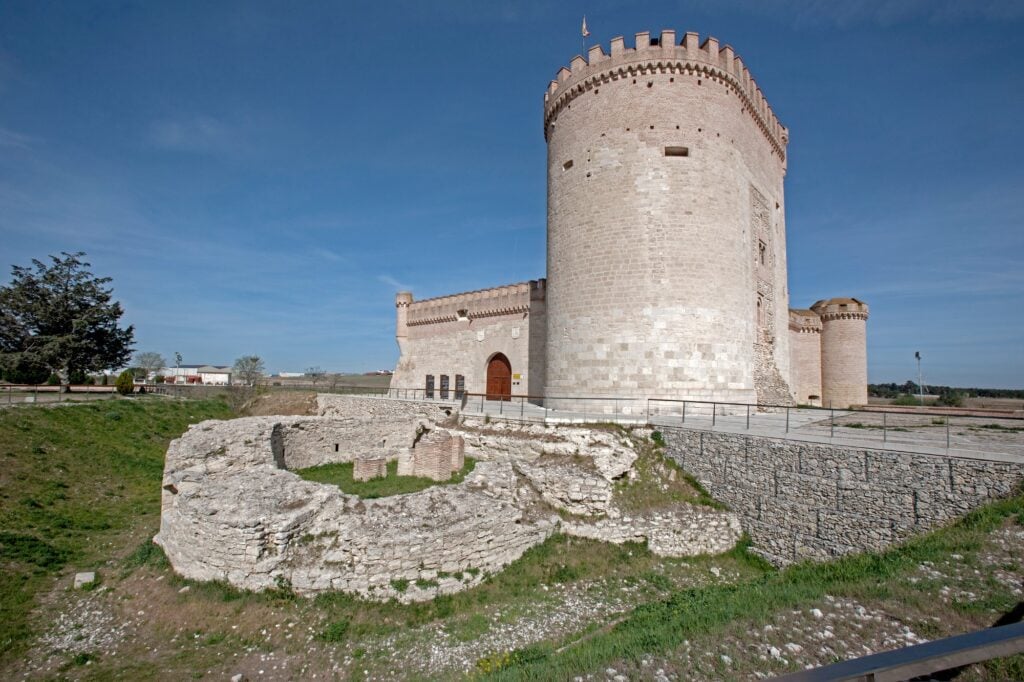
The historic town of Arevalo sits between the Arevalillo and Adaja rivers and is surrounded by wide open countryside.
Its flat landscape provides uninterrupted views towards the western horizon – crucial for an eclipse taking place late in the day.
Visitors can also combine the event with a visit to the town’s impressive castle and well-preserved Mudejar architecture.
Poza de la Sal (Burgos)
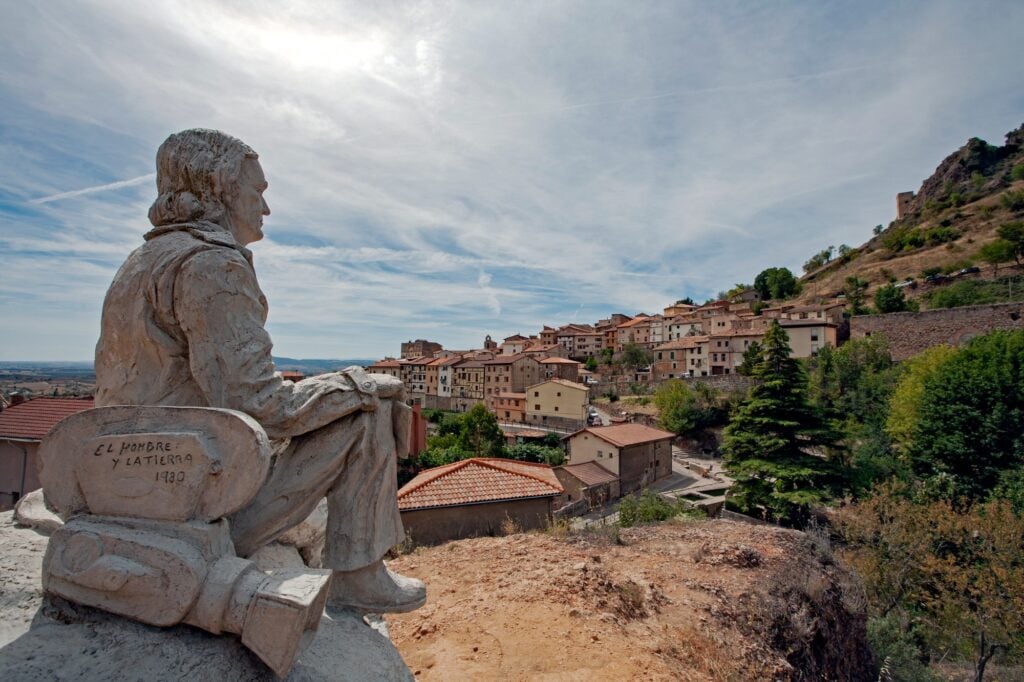
Perched above its famous salt flats, Poza de la Sal offers elevated viewpoints with excellent visibility to the west.
The medieval Castle of the Rojas is expected to be one of the most sought-after spots, while Burgos’ typically dry summer weather increases the chances of clear skies.
Sabero and La Camperona (Leon)
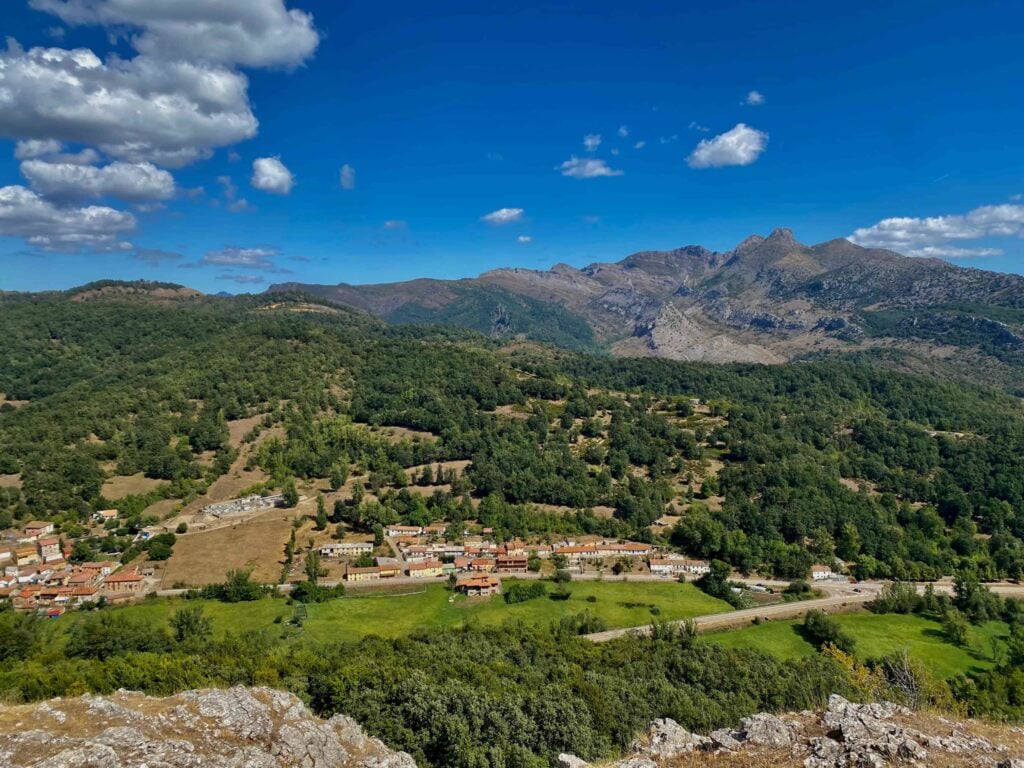
For those who prefer mountain scenery, the Sabero Valley and the climb to La Camperona provide breathtaking panoramic views.
At more than 1,500 metres above sea level, visitors can enjoy sweeping 360-degree vistas over the Picos de Europa and the Cantabrian Mountains as the eclipse unfolds.
Saldaña (Palencia)
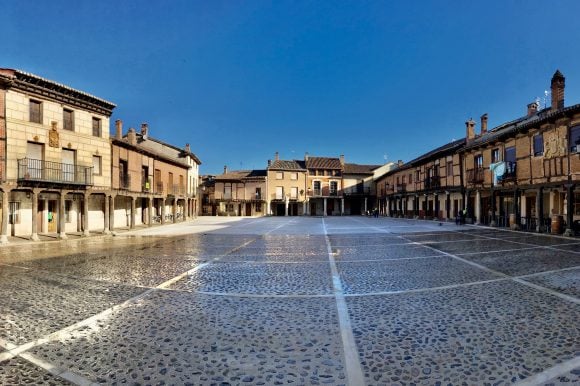
Located in the Vega-Valdavia region, Saldaña is surrounded by broad plains and gentle hills that offer clear views of the western sky.
Its open terrain makes it an excellent option for anyone hoping to avoid obstructions during the eclipse.
Saucelle (Salamanca)
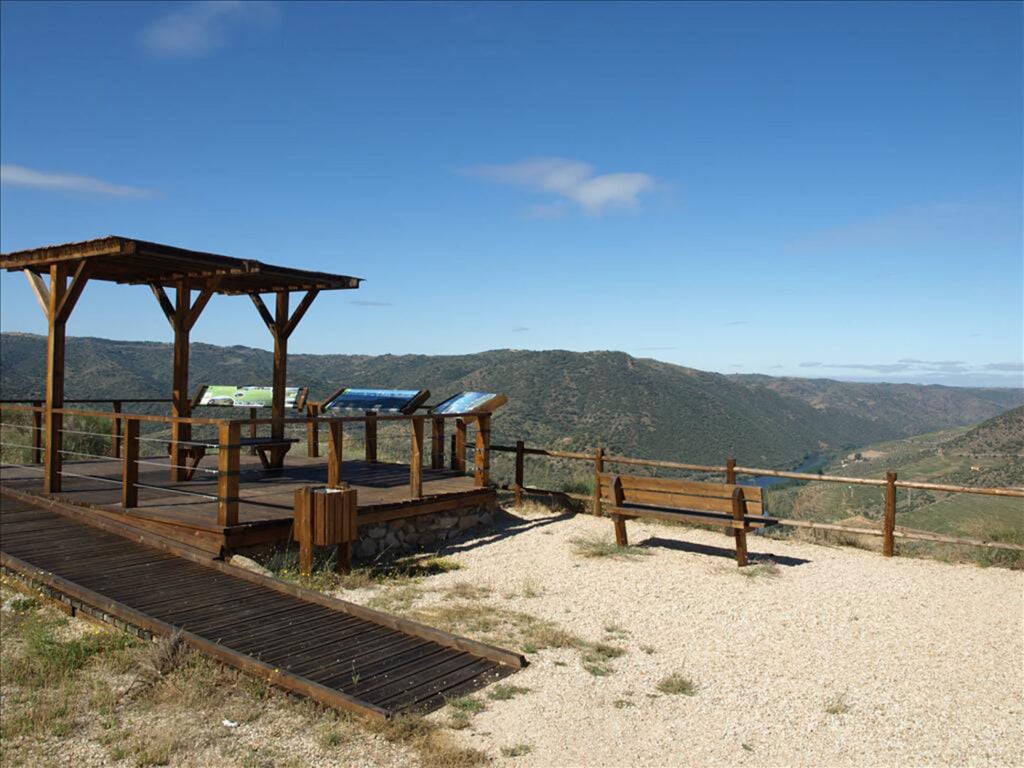
Set within the Arribes del Duero Natural Park, Saucelle combines dramatic scenery with outstanding viewing conditions.
The village’s famous viewpoints overlook the Duero gorge, creating a spectacular backdrop as daylight briefly turns to darkness.
Riaza (Segovia)
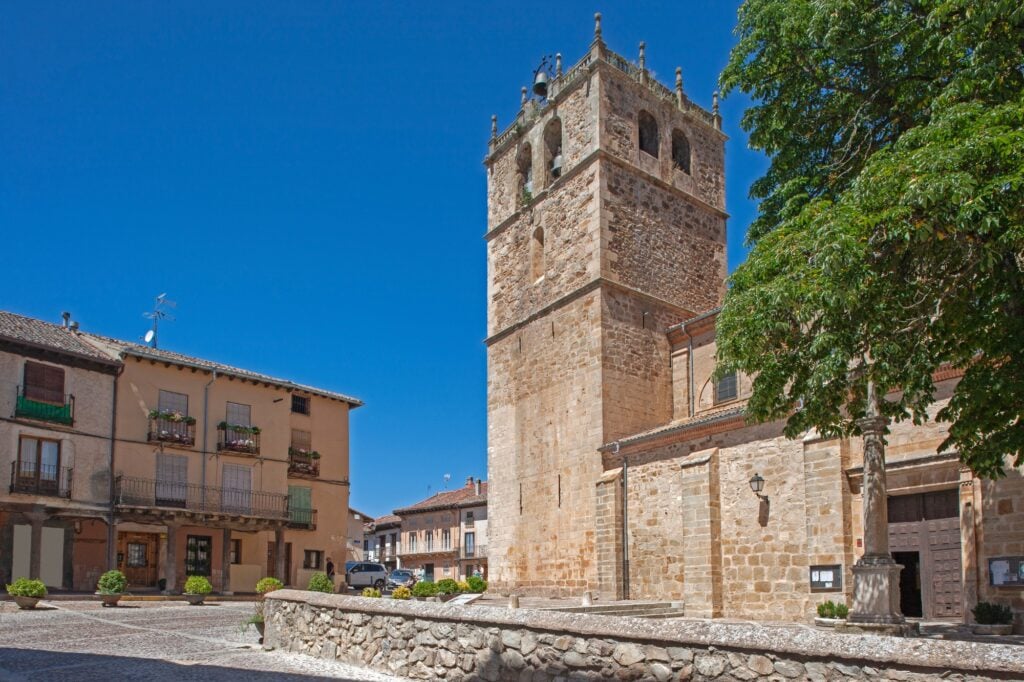
At more than 1,000 metres above sea level on the edge of the Sierra de Ayllon, Riaza enjoys clean air and minimal light pollution.
The surrounding plateau provides expansive western views, making it one of Segovia’s top eclipse locations.
Agreda (Soria)
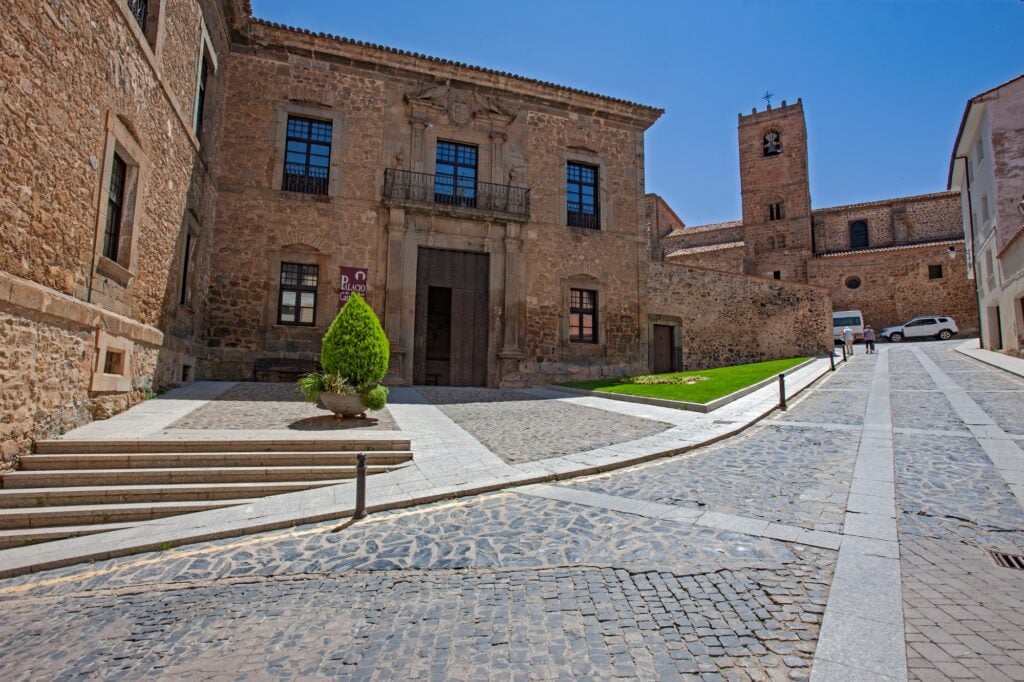
Agreda offers three key ingredients for eclipse watching: altitude, dark skies and wide open landscapes.
With few natural or man-made obstacles blocking the horizon, it is considered one of the best places in Soria to watch the Sun disappear behind the Moon.
Urueña (Valladolid)
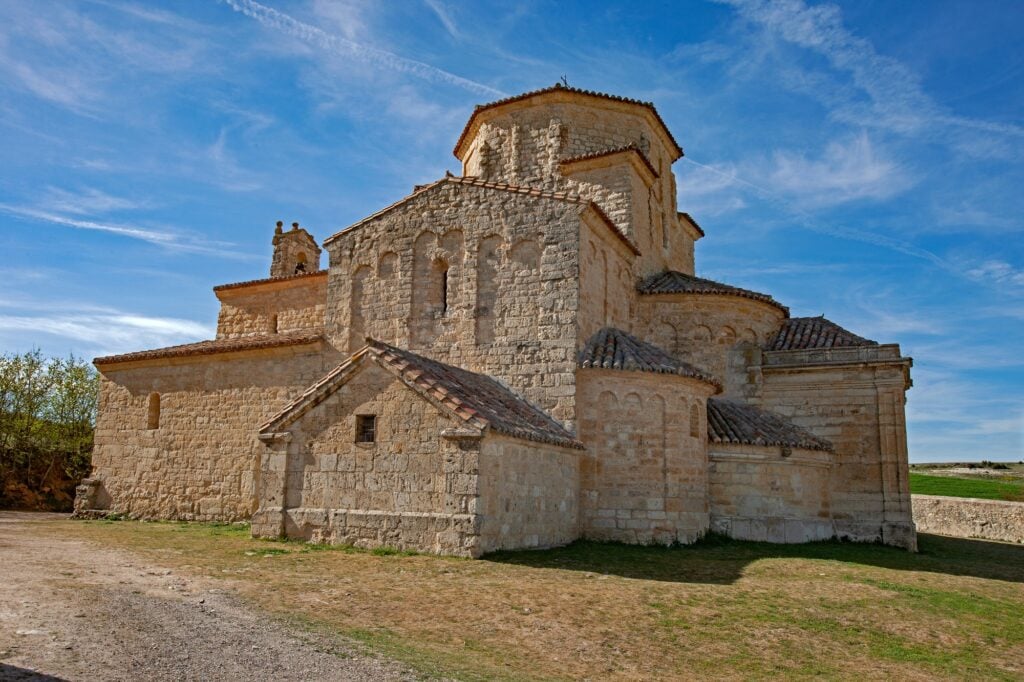
Often described as one of Spain’s most beautiful walled villages, Urueña also benefits from exceptionally stable atmospheric conditions.
That could make it one of the best places to photograph the eclipse, with crisp views of the Sun’s corona if skies remain clear.
Tiedra (Valladolid)
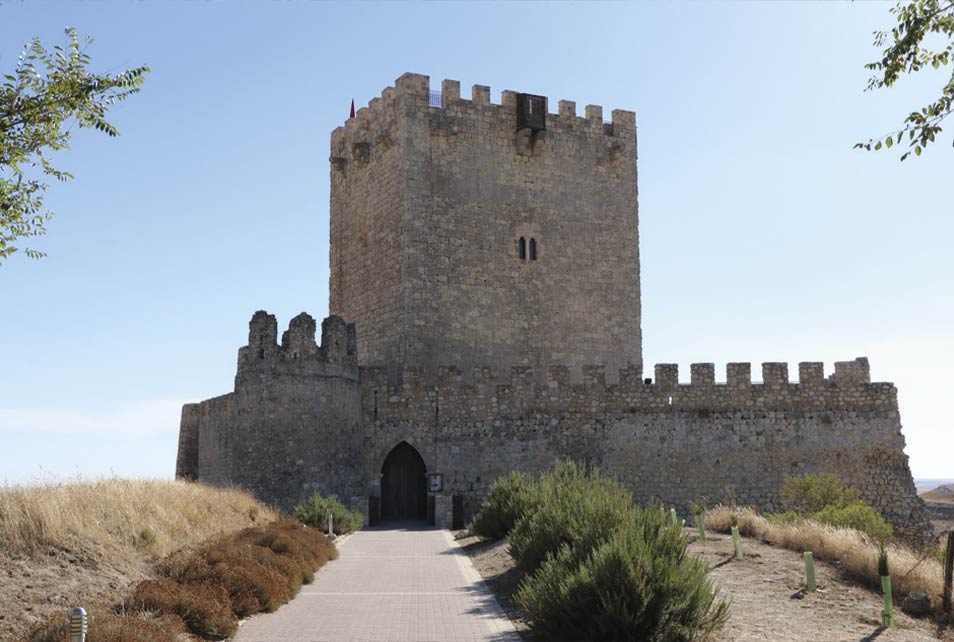
Home to its own astronomical observatory, Tiedra has become one of Valladolid’s main destinations for eclipse enthusiasts.
Many visitors are expected to gather near the castle and the hermitage overlooking the town to watch what is expected to be one of the country’s biggest astronomical events of the year.
Toro (Zamora)
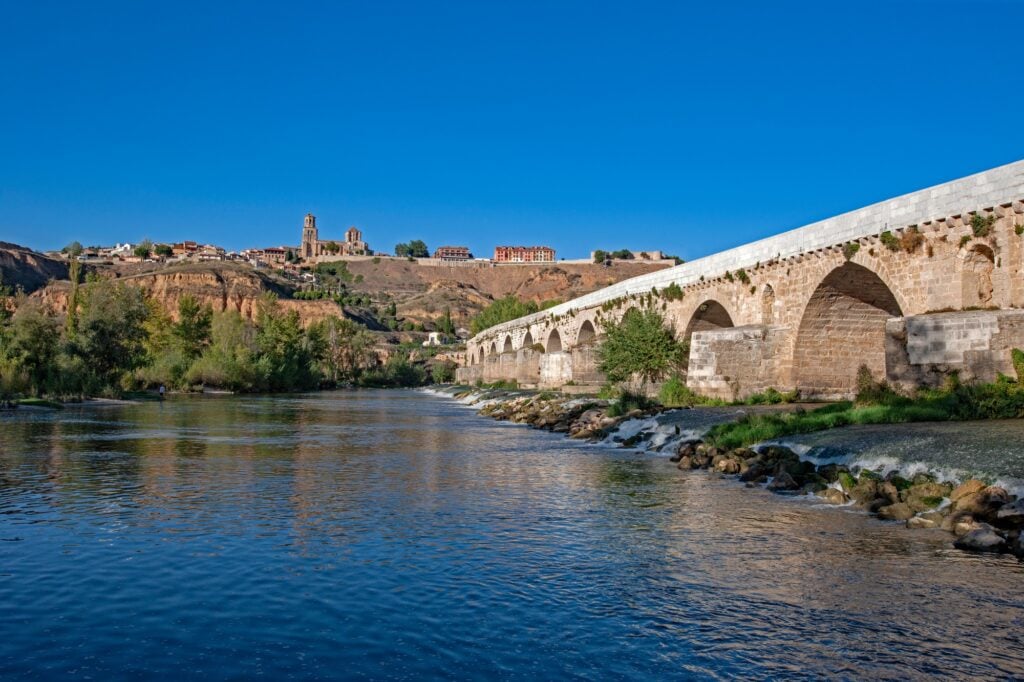
Better known for its celebrated wines, Toro also boasts an elevated natural viewpoint overlooking the Duero valley.
Watching the eclipse unfold above its vineyards before sunset promises to be a memorable way to end the day – perhaps with a glass of the town’s famous red wine afterwards.