Europe’s biggest airlines have urged the EU to temporarily suspend the new Entry/Exit System (EES) during peak travel periods.
In an open letter on July 1, they claimed the new system is causing border queues of up to five hours and threatening summer travel across the continent.
Writing to European Commission President Ursula von der Leyen, aviation bodies ACI Europe, Airlines for Europe (A4E) and the International Air Transport Association (IATA) said the digital border system has reached a ‘critical point’ and is creating severe disruption for millions of passengers.
The groups are calling on Brussels to allow member states to temporarily switch off the system whenever passenger numbers exceed the operational capacity of border control facilities.
The EES, which was fully rolled out across the Schengen Area in April 2026, replaced passport stamping for most non-EU travellers with a digital system that records entries and exits using biometric data, including fingerprints and facial images.
The system was designed to strengthen border security, identify visitors who overstay their permitted time in the Schengen Area and modernise external border controls.
However, the aviation industry says its implementation is having the opposite effect at many airports.
According to the letter, passengers are now facing waits of up to five hours at some border checkpoints during busy periods, leading to missed flight connections, delayed departures and mounting pressure on airport staff.
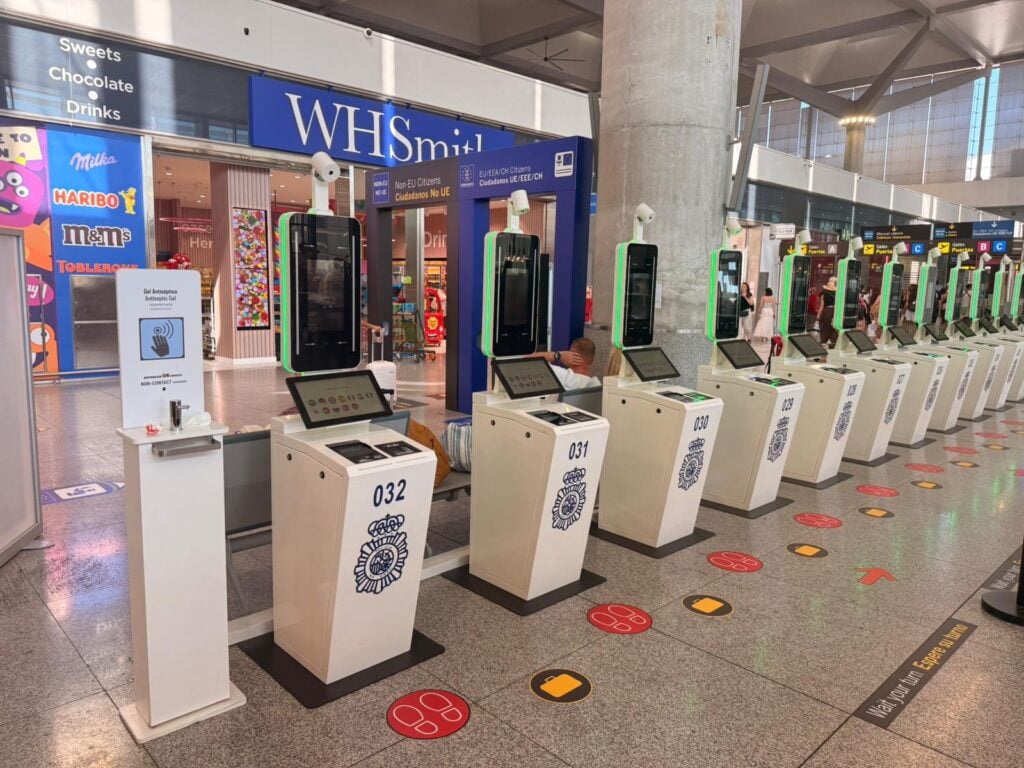
The organisations said smaller airports serving popular holiday destinations are also struggling, with travellers queuing outside terminals because border control facilities cannot process arrivals quickly enough.
The letter warns that airlines are being forced to depart with empty seats because passengers remain stuck in immigration queues after boarding gates have closed.
Although member states have already been allowed to temporarily suspend biometric data collection until early September to ease pressure, the aviation sector says this flexibility has not been enough to prevent lengthy delays.
With European airports expected to handle around 40 million more passengers during July and August than in the previous two months, the organisations warned the situation could deteriorate further unless additional measures are introduced.
They have asked the European Commission to immediately allow countries to suspend the EES entirely whenever passenger volumes overwhelm border facilities during July and August.
They also want a permanent flexibility mechanism in place by September to allow border authorities to pause the system in clearly defined exceptional circumstances.
The groups argue that Europe’s reputation as a tourist destination is now at stake, warning that some international visitors are already reconsidering trips because of the prospect of excessive border delays.
The concerns have also been echoed by the World Travel & Tourism Council (WTTC), which has called for a coordinated response to prevent the EES undermining Europe’s competitiveness.
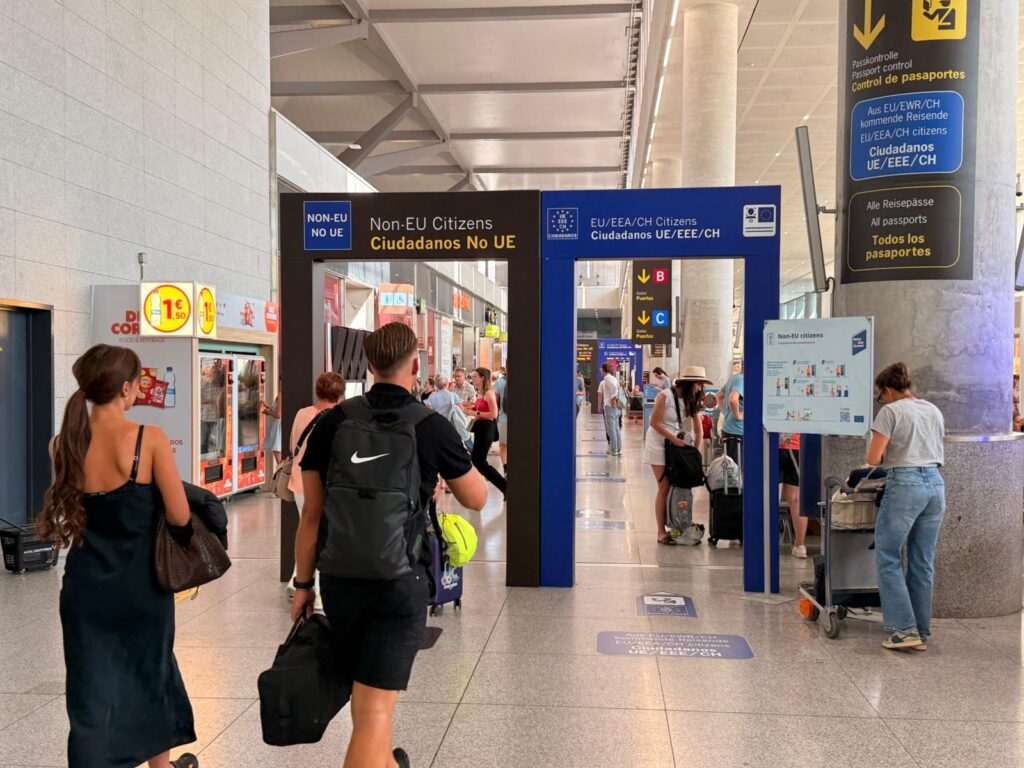
While backing the introduction of smarter and more secure borders, the WTTC said the system must be implemented with sufficient staffing, reliable equipment and greater operational flexibility.
The organisation warned that if three-hour-plus waits become routine, Europe risks losing up to 41 million visitors and an estimated $45.4 billion (€38.5bn) in tourism spending, according to its analysis.