
Scientists in Andalucia are developing innovative gene therapy technology that could one day treat a range of incurable brain and retinal diseases.
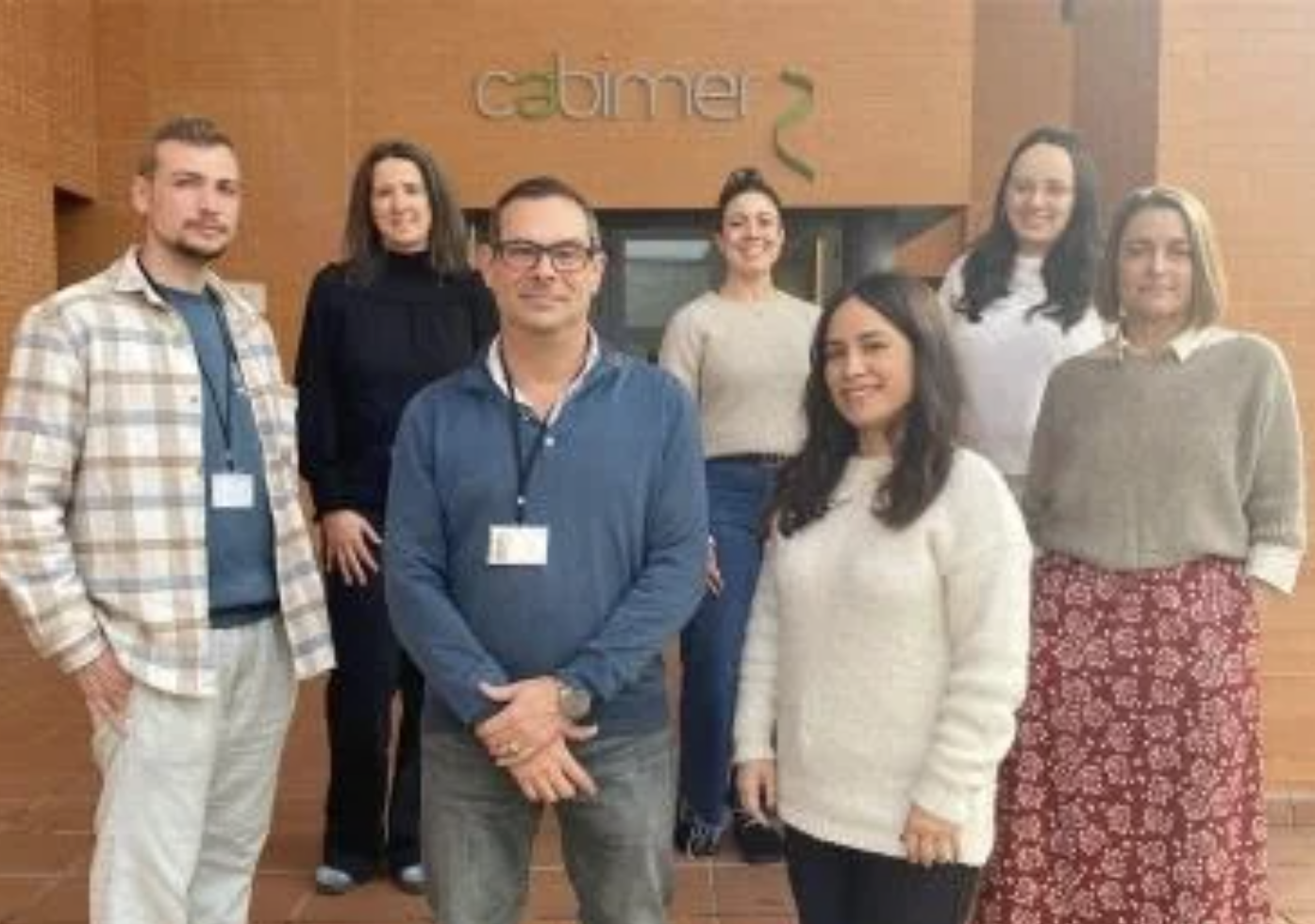
Researchers at the Cabimer in Sevilla are working on specially designed nanoparticles capable of delivering genetic material directly to damaged cells in the brain and retina.
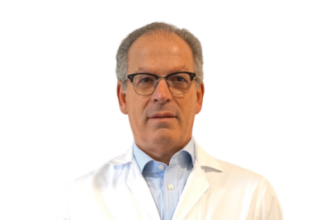
The project is being led by Francisco Diaz Corrales and his team from the Fundacion Progreso y Salud, which is linked to Andalucia’s regional government.
Gene therapies are increasingly viewed as one of the most promising avenues for treating inherited neurodegenerative conditions, many of which currently have no cure.
However, one of the biggest challenges facing scientists is finding a safe and effective way to transport genetic material into the specific cells that need treatment.
The Andalucian team hopes nanoparticles could provide a solution.
Unlike traditional gene therapies that often rely on modified viruses to carry genetic material, nanoparticles could offer greater safety, increased capacity and more flexibility when targeting complex neurological diseases.
Researchers have already tested a wide range of nanoparticle designs in preclinical models, examining their effectiveness, safety and compatibility with the body.
The aim is to identify the most promising candidate before moving towards regulatory approval and eventual human trials.
The team has now developed several potential vectors and is carrying out proof-of-concept studies to determine whether they are viable for clinical use.
If those tests prove successful, the next step will be completing the final preclinical regulatory phase before seeking approval from health authorities to launch a clinical trial.
The project brings together scientists from universities and research centres across Andalucia and the rest of Spain, alongside patient organisations including ENACH and Macula Retina-Gen CRB1.
Patient groups have played a particularly important role in driving the research forward.
The work is also supported by biotech company Advanced Therapy System (ATS), which was created by ENACH to accelerate the development of treatments for rare neurodegenerative disorders.
According to ATS founder Antonio Lopez, what began as an effort to save children affected by a rare disease has evolved into a platform with the potential to tackle a much wider range of genetic neurological, neuromuscular and retinal conditions.
The company has applied for funding through Spain’s NEOTEC innovation programme to help move the technology from the laboratory towards clinical use.
While any treatment remains several years away, researchers say the project represents a significant step towards developing safer and more precise therapies for devastating neurodegenerative diseases that currently have few or no treatment options.
Read more Andalucia news at the Spanish Eye.